Key Takeaways
- Washington companies, including Karman Space and Defense and L3Harris, contributed to the Artemis II mission.
- Karman developed critical systems for capsule safety and re-entry, while L3Harris aided launch operations and astronaut communications.
- The Artemis II crew has successfully orbited Earth and is preparing for a significant maneuver toward the moon.
Washington Companies Power Artemis II Mission
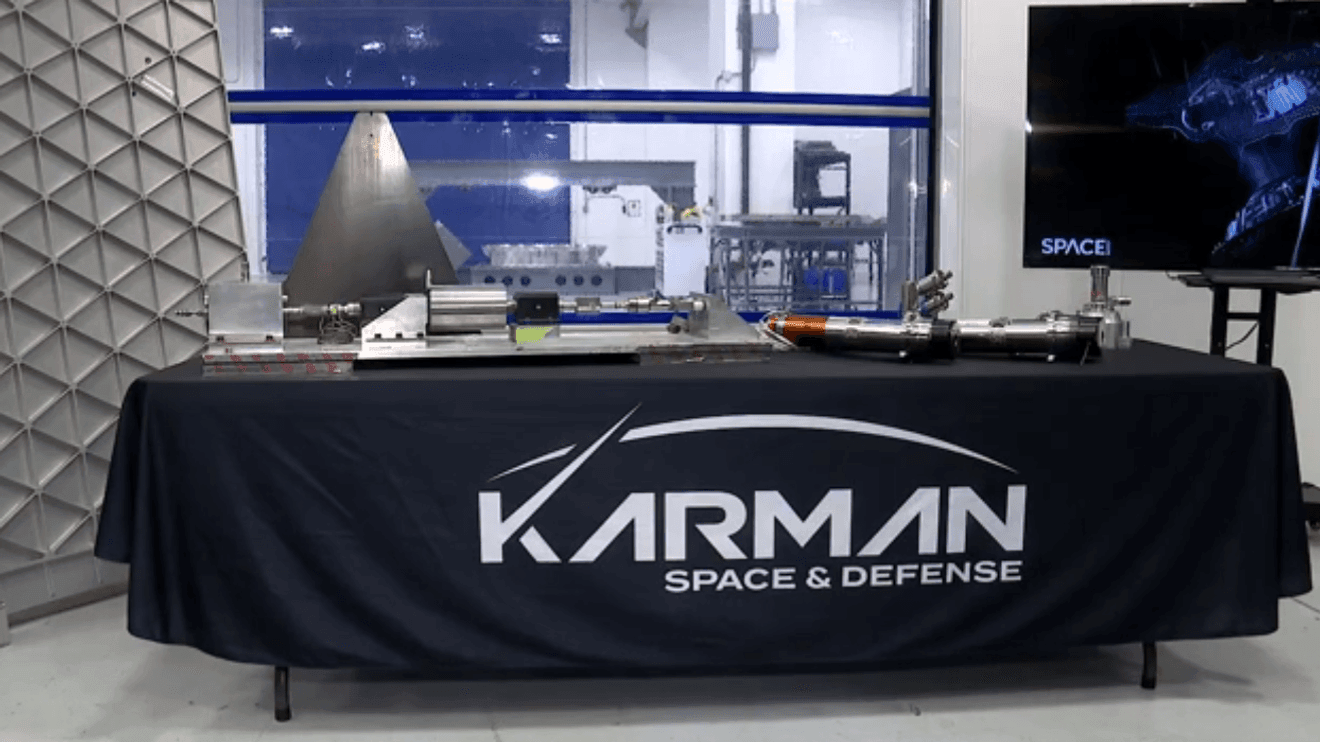
Dozens of companies in Washington, notably Karman Space and Defense based in Mukilteo and L3Harris from Redmond, played crucial roles in the Artemis II mission. Karman produced essential components for the Orion capsule that carries astronauts to and from space. General Manager Chris Stessing highlighted that their ten-year effort has expanded from 50 to 500 employees, who are ready to implement parachute systems for the astronauts’ safe return.
Significant portions of Karman’s work involved developing hatch release mechanisms to enable crew escape in emergencies and propulsion technologies for re-entry. Stessing described the mechanics behind the forward bay cover, which protects astronauts during atmospheric re-entry until the parachutes can deploy.
L3Harris contributed by creating systems for astronaut communications, breathable air storage, and other launch necessities. Program Manager Brent Urke expressed the emotional experience of witnessing the launch, sharing that his family was present during the launch. He emphasized the continuous involvement of L3Harris as the mission progresses, especially concerning their hardware until the capsule safely splashes down.
NASA’s Artemis II crew has successfully completed their first day in space, completing initial checks of the Orion spacecraft’s systems after the launch. Although there was a minor issue with the capsule’s toilet, the crew addressed it effectively, restoring normal function. The crew also made adjustments to the spacecraft’s orbital path in preparation for a significant maneuver scheduled for 8 p.m. EST on Thursday. This trans-lunar injection will increase Orion’s speed by 900 miles per hour, setting the course toward the moon on a free-return trajectory.
Both Karman and L3Harris are already looking ahead to future Artemis missions, including Artemis III, IV, and V, as they continue to innovate and enhance the technologies necessary for space exploration.
The content above is a summary. For more details, see the source article.