


Key Takeaways
- The average five-year-old electric vehicle (EV) has depreciated by 57.2%, significantly higher than the overall average of 41.8%.
- Hybrids now have the slowest depreciation rate at 35.4%, contrasting the rapid depreciation faced by early EV models.
- Market improvements and consumer familiarity with technology are expected to stabilize EV values over time.
Depreciation Trends in Electric Vehicles
According to a new study by iSeeCars, the average five-year-old electric vehicle (EV) loses about 57.2% of its initial value, significantly eclipsing the broader industry average of 41.8%. This alarming depreciation is primarily driven by a swift technological evolution within the EV market, making older models quickly obsolete.
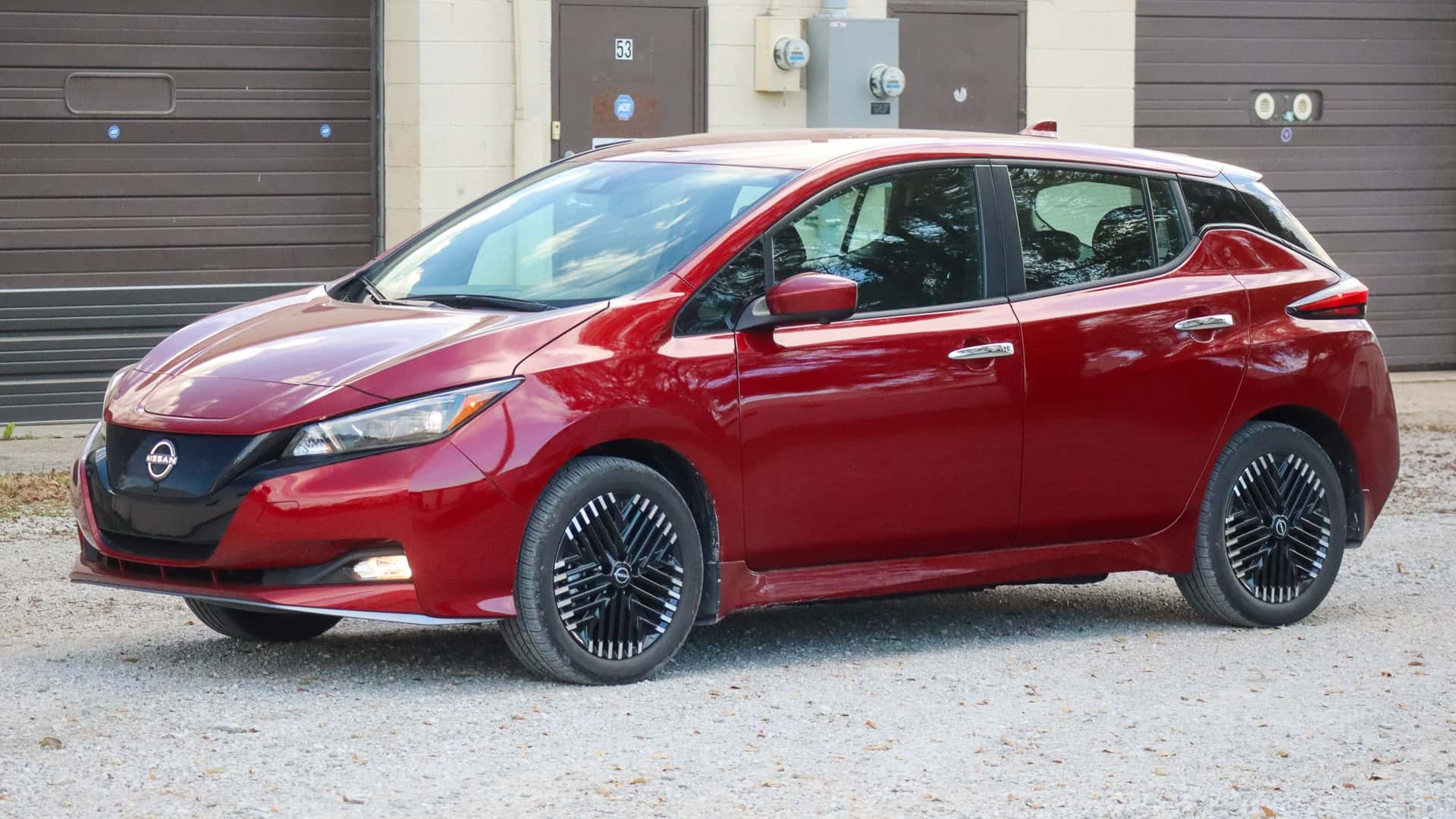
The study identifies that the Nissan Leaf, for example, has seen depreciation rates of 63.1% over five years. This is indicative of how fast the EV landscape is evolving. Early EV models are struggling to retain their value due to outdated technology and limited features that new models offer. For instance, a basic model of the 2021 Nissan Leaf provides just 149 miles of range, with a design and features that do not compete with newer offerings like the Hyundai Ioniq 5 or Tesla Model Y, both of which have undergone significant enhancements since their inception.
Interestingly, hybrids, which once suffered from rapid depreciation rates, are now the slowest depreciating powertrain type at 35.4%. In 2019, hybrids depreciated at a rate of 56.7%, which mirrors current EV depreciation. This shift shows a growing consumer confidence in hybrids, motivated by improvements in technology and increased market competition.
This phenomenon of rapid depreciation can be attributed to the “early adopter phase” that new technologies often experience. When technologies first emerge, they are perceived as niche and untested, but as consumer familiarity grows, so does acceptance. Hybrid technology has stabilized over time, which contrasts with the current volatility in the EV market.
The dramatic depreciation rates for early EVs suggest a broader trend where first-generation models become outdated quickly due to advancements in technology, pricing strategies, and changing consumer expectations. This situation is exacerbated by federal tax credits encouraging new purchases, creating an oversupply of used vehicles and further driving down prices.
Despite these depreciation challenges, there is no evidence to suggest that consumers are shying away from the used EV market altogether. Just as skepticism surrounded the hybrid market in 2019, today’s consumers face apprehensions about battery longevity and overall functionality, likely affecting their decisions on used EV purchases.
In the long term, as the technology matures and consumers recognize the advantages of EVs—such as lower maintenance costs and better longevity—depreciation rates are expected to stabilize. In the short term, competitive pricing makes now a favorable time for consumers seeking excellent deals on used EVs.
In summary, while current depreciation rates for EVs may seem alarming, a shift is anticipated as the market evolves and consumer acceptance deepens. This creates compelling opportunities for savvy buyers now navigating the used EV landscape.
The content above is a summary. For more details, see the source article.









