


Key Takeaways
- A public hearing on a proposed 5-megawatt solar power project in Salisbury faced strong opposition from local residents.
- Concerns centered around aesthetics, water contamination, and the project’s impact on the established community.
- Residents have until April 30 to submit their comments to the Public Service Commission regarding the proposal.
Local Residents Oppose Solar Power Project in Salisbury
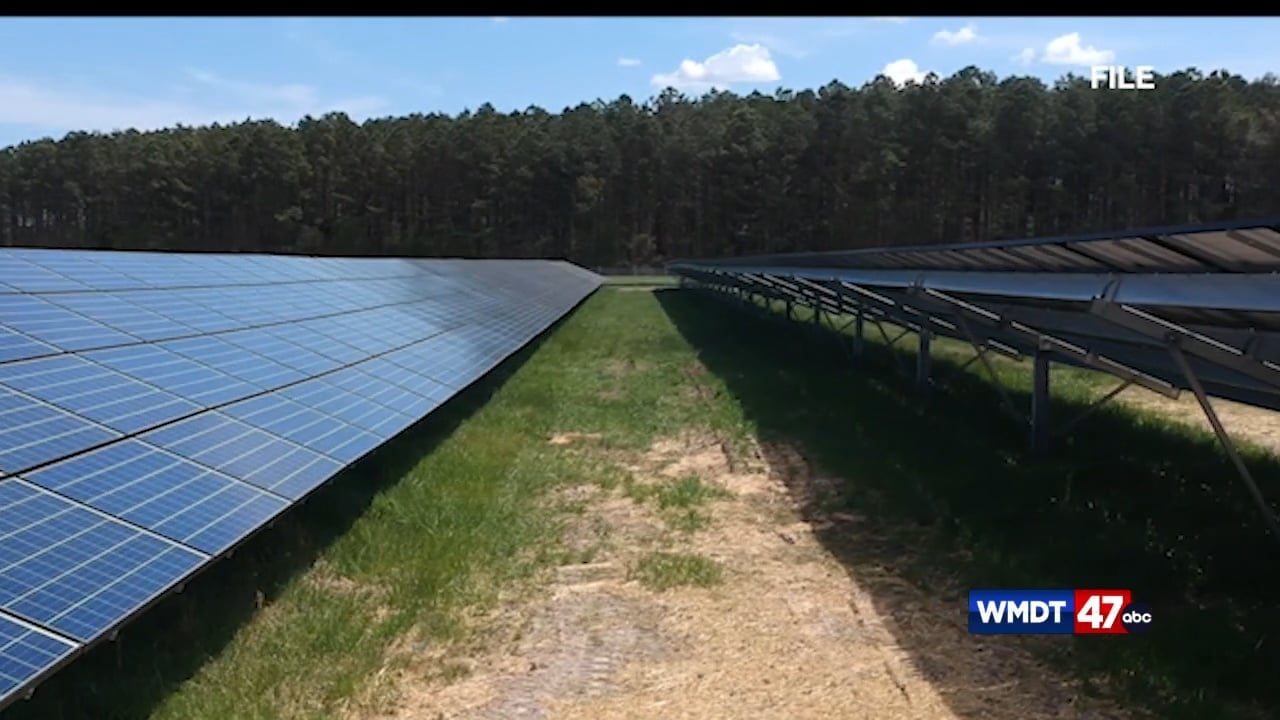
A public comment hearing held in Fruitland, Maryland, regarding a proposed 5-megawatt solar power project on Union Church Road, encountered significant resistance from local residents. The meeting featured presentations from APR Renewables and the Maryland Department of Natural Resources (DNR), which had reviewed the project and recommended its approval based on considerations of public safety, aesthetics, noise, and agricultural resources.
Despite these recommendations, many local residents voiced their concerns. Lillie Largey, a member of the Deer Harbor Community, described the installation as potentially “monstrous” and an “eyesore.” Nathaniel Morton expressed worries about water quality, suggesting that the project could adversely affect well water and overall property values.
The hearing was presided over by Public Utility Law Judge Kristin Case Lawrence. Mark Mank, a DNR case manager, highlighted the extensive review conducted by the DNR and six other agencies, stating that they had addressed multiple potential issues.
Wicomico County Council President John Cannon acknowledged the residents’ concerns but noted that recent state legislation, aimed at reducing greenhouse gas emissions by 60% by 2031, limits local government input on such projects.
While the overwhelming majority of residents opposed the solar initiative, some acknowledged the necessity of renewable energy development. Melissa Cassell, President of the Deer Harbor Community, affirmed the community’s support for responsible solar energy projects but firmly opposed placing a large-scale solar site next to their residential neighborhood. Residents fear that the project would fundamentally change the character of their community.
Although the discussion highlighted various concerns, it also presented an opportunity for residents to express their views. They have until April 30 to submit their comments either by mail or online to the Public Service Commission. The outcome of this proposal remains uncertain as community members continue to voice their opposition to the project.
The content above is a summary. For more details, see the source article.









