


Key Takeaways
- High energy prices mirror challenges faced during Jimmy Carter’s presidency, sparking debates on fossil fuels versus renewables.
- Countries globally are increasingly reverting to coal amidst energy crises, undermining climate goals.
- The conflict in Iran has complicated the pursuit of renewable energy by raising costs and highlighting supply vulnerabilities.
Energy Strategy in a Time of Crisis
Former President Jimmy Carter’s 1977 “fireside chat” emphasized the urgent need for the U.S. to confront an impending energy crisis. Carter advocated for energy conservation, notably recommending lower thermostat settings, and committed to developing domestic coal sources. His energy strategy aimed to address anticipated shortages, seeking a balance between fossil fuels and renewable energy.
Fast forward to today, rising gasoline prices echo the crises of the past, fostering concerns over stagflation—a mix of stagnant economic growth and high inflation. President Donald Trump’s current energy policy appears reminiscent of Carter’s, focusing heavily on fossil fuel development as a response to a new energy crisis stemming from geopolitical tensions, particularly involving Iran.
As the conflict escalates, the case for transitioning to renewable energy becomes stronger. Renewable sources like solar and wind, largely domestically sourced, could replace reliance on imported fossil fuels vulnerable to geopolitical disruptions. In Europe and Asia, where energy dependence is high, there is a growing call to invest in renewables for economic stability and national security. British Prime Minister Keir Starmer emphasized the potential for stabilizing energy costs through homegrown renewable sources.
However, the shift to renewables faces significant hurdles. The critical minerals necessary for wind turbines and batteries predominantly come from China, which could use this supply chain dominance as leverage. Additionally, the ongoing conflict with Iran has led to increased inflation and interest rates, driving up the cost of renewable energy investments.
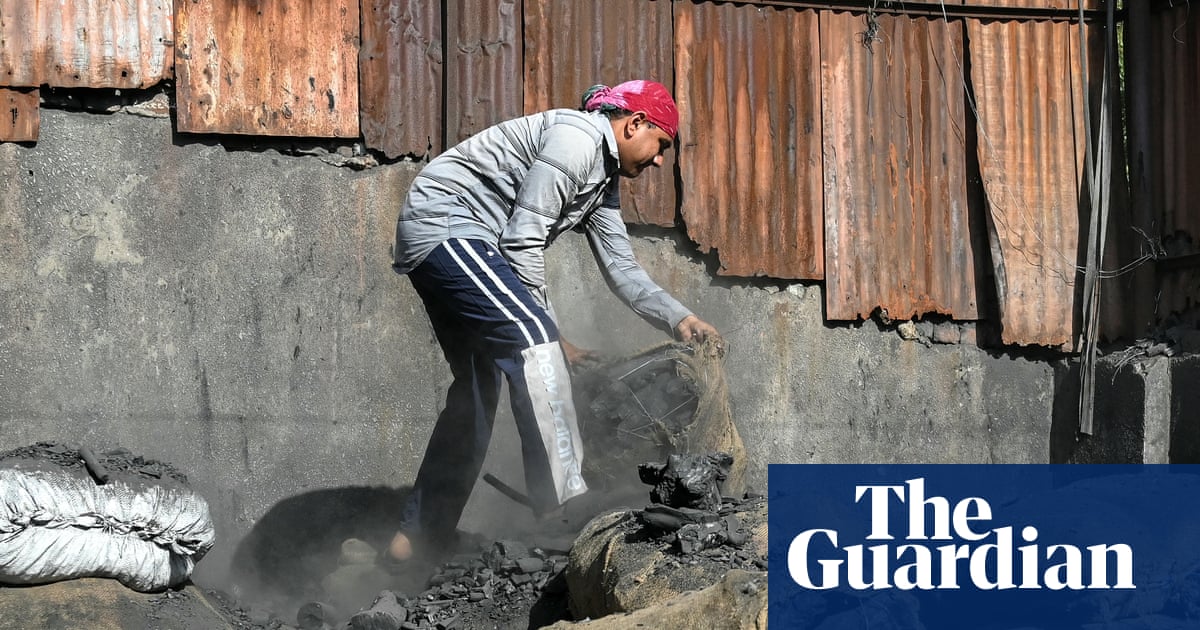
Despite climate concerns, coal consumption has surged globally, rising to approximately 8.8 billion tons. This increase has been propelled by strong energy demand in India and China and driven further by crises like Russia’s invasion of Ukraine, which forced Europe to reconsider its energy sources.
While past climate summits have encouraged a shift toward cleaner energy, coal’s share of the global energy supply has risen from 23% in 2000 to 28% in 2023. Recent geopolitical developments threaten to undermine decades of progress in decarbonization, as countries reassess their energy policies in light of supply disruptions. In Asia, countries such as Japan and India are already ramping up coal use, while in Europe, Italy plans to delay the closure of coal-fired plants.
Carter’s initiatives offer a cautionary tale; despite his efforts to promote renewable energy—including installing solar panels on the White House—only a fraction of the U.S. energy supply shifted away from coal by the turn of the century. Today, coal meets about 9% of U.S. energy needs, a figure similar to that of renewables. The current global instability poses significant risks to ongoing decarbonization efforts, jeopardizing the push toward sustainable energy solutions.
The content above is a summary. For more details, see the source article.









