


Key Takeaways
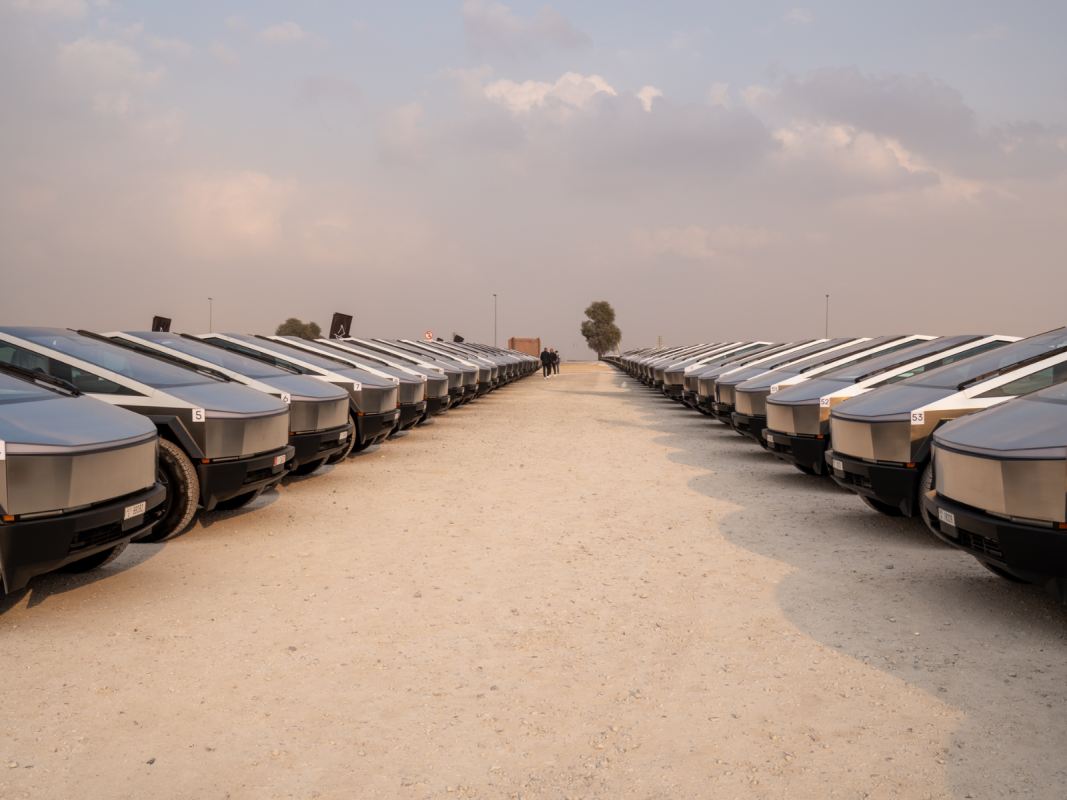
- Tesla produced over 50,000 more vehicles than it sold in Q1 2026, marking the largest production-to-delivery gap in its history.
- Sales increased by 6% year-over-year, but still fell short of analyst expectations amid a cooling U.S. EV market.
- Industry-wide challenges, including the end of federal EV tax credits, highlight a potential shift in consumer demand for electric vehicles.
Tesla Faces Significant Inventory Challenges
Tesla has entered a challenging phase as it grapples with an unprecedented surplus of vehicles. In the first quarter of 2026, the company manufactured a staggering 408,386 vehicles yet delivered only 358,023, resulting in a gap of over 50,000 units—the largest ever recorded by the automaker. This backlog presents a stark departure from Tesla’s previous reputation for exceptional inventory management.
Despite a year-over-year sales increase of 6%, Tesla’s performance has fallen short of expectations, particularly as the U.S. electric vehicle (EV) market experiences a notable slowdown. Sales of EVs have seen a significant decline in early 2026, which raises concerns that the demand dynamics may be changing for Tesla, a company that traditionally thrived on demand far exceeding supply.
Market Trends Impacting Tesla’s Outlook
The beginning of 2026 has been particularly challenging for Tesla, with diminishing momentum in crucial markets like California. An array of industry-wide factors is accentuating these difficulties. Notably, the removal of the $7,500 federal EV tax credit has altered the attractiveness of EVs, placing them against real-world consumer willingness to pay, which has shown mixed results.
Consumer surveys reveal that only a small fraction of American buyers consider purchasing an EV as their next vehicle. This mismatch between Tesla’s ambitious production targets and actual market interest may indicate a demand ceiling for electric vehicles. Tesla’s predicament serves as a reflection of broader shifts in the auto industry as it recalibrates after years of strong growth driven by financial incentives.
Broader Industry Challenges
When considering the situation at Tesla, it becomes apparent that the company is not alone in facing these challenges. Many automakers are reevaluating their EV initiatives, with some postponing launches or scrapping models entirely. This period has been termed an “EV winter,” as initial hype gives way to a more cautious and measured adoption of electric vehicles. In this context, Tesla’s surplus inventory could be indicative of a larger trend rather than just an internal miscalculation.
Tesla’s challenges are further compounded by specific variables unique to the company. CEO Elon Musk’s polarizing presence raises questions about brand perception. Additionally, the company relies heavily on its aging Model Y and Model 3, while placing future bets on robotaxis and autonomy. However, the need to sell vehicles remains immediate, and Tesla currently has an excess that it must address.
In conclusion, Tesla’s current situation highlights broader industry challenges while raising questions about future demand for electric vehicles. The ongoing issues not only impact Tesla but may also serve as significant indicators of the evolving landscape of the auto industry.
The content above is a summary. For more details, see the source article.









