


Key Takeaways
- Microplastics present significant environmental and health risks, currently not fully understood.
- Existing monitoring tools may yield misleading results regarding microplastics’ impact.
- Experts stress the need for enhanced research and methodologies to properly assess microplastic dangers.
Microplastics: Challenges in Assessment
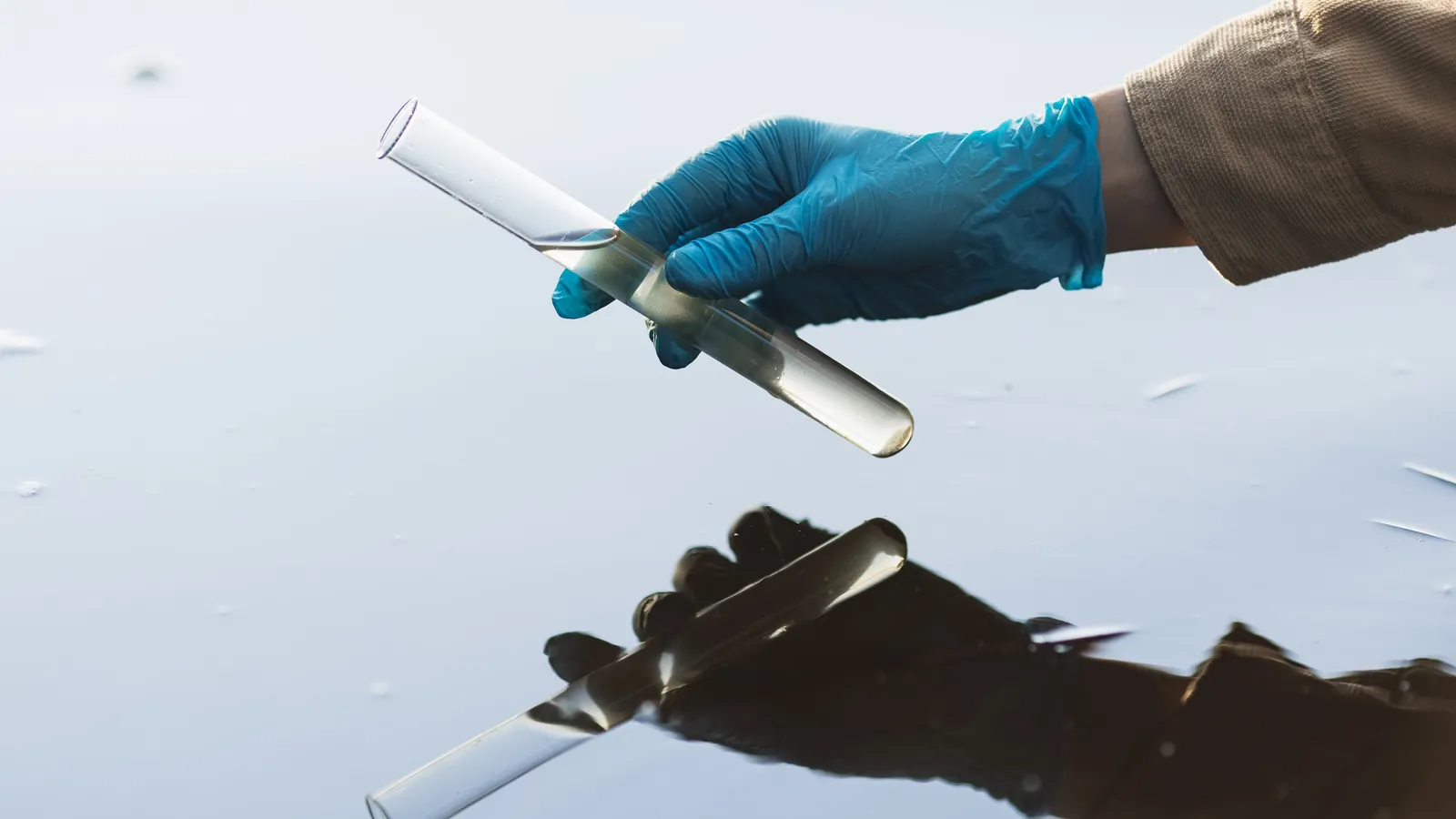
Microplastics, tiny plastic particles less than five millimeters in size, are becoming increasingly pervasive in the environment, posing risks that science is currently ill-equipped to fully understand. An expert in environmental science has raised concerns about the inadequacy of existing research methodologies and monitoring tools used to assess the dangers associated with microplastics.
These particles are found in oceans, soils, and even in human bodies, leading to growing apprehension about their potential impact on health and ecosystems. The expert emphasizes that current scientific practices could lead to “uninformative and potentially misleading” findings concerning the presence and effects of microplastics.
Current monitoring systems often fail to capture the complexity of microplastic pollution, which varies widely in size, shape, and concentration. This inconsistency complicates efforts to evaluate their ecological and human health risks accurately. As a result, there is an urgent call for advancing research techniques and developing new tools that can provide a clearer picture of microplastics’ environmental impact.
Despite the challenges, some initiatives are underway to enhance the understanding of microplastics. Researchers are advocating for collaborative efforts across disciplines to develop standardized methodologies that can yield reliable data. By improving assessment techniques, scientists hope to produce clearer insights into how microplastics interact with ecosystems and affect human health.
In summary, while microplastics are recognized as a significant concern, the tools and frameworks in place may not be sufficient to gauge their full impact effectively. Continued research and the development of innovative monitoring strategies are needed to address these critical gaps in knowledge, ensuring that the risks associated with microplastics are properly understood and managed.
The content above is a summary. For more details, see the source article.









