


Key Takeaways
- Google Home expands its Gemini early access program to 16 new countries and 7 languages, but users face performance issues.
- Many users report significant delays in command responses, prompting calls to revert to the original Google Assistant.
- Google is addressing these issues with promised improvements and reduced latency for a better user experience.
Gemini Expands, But Faces User Backlash
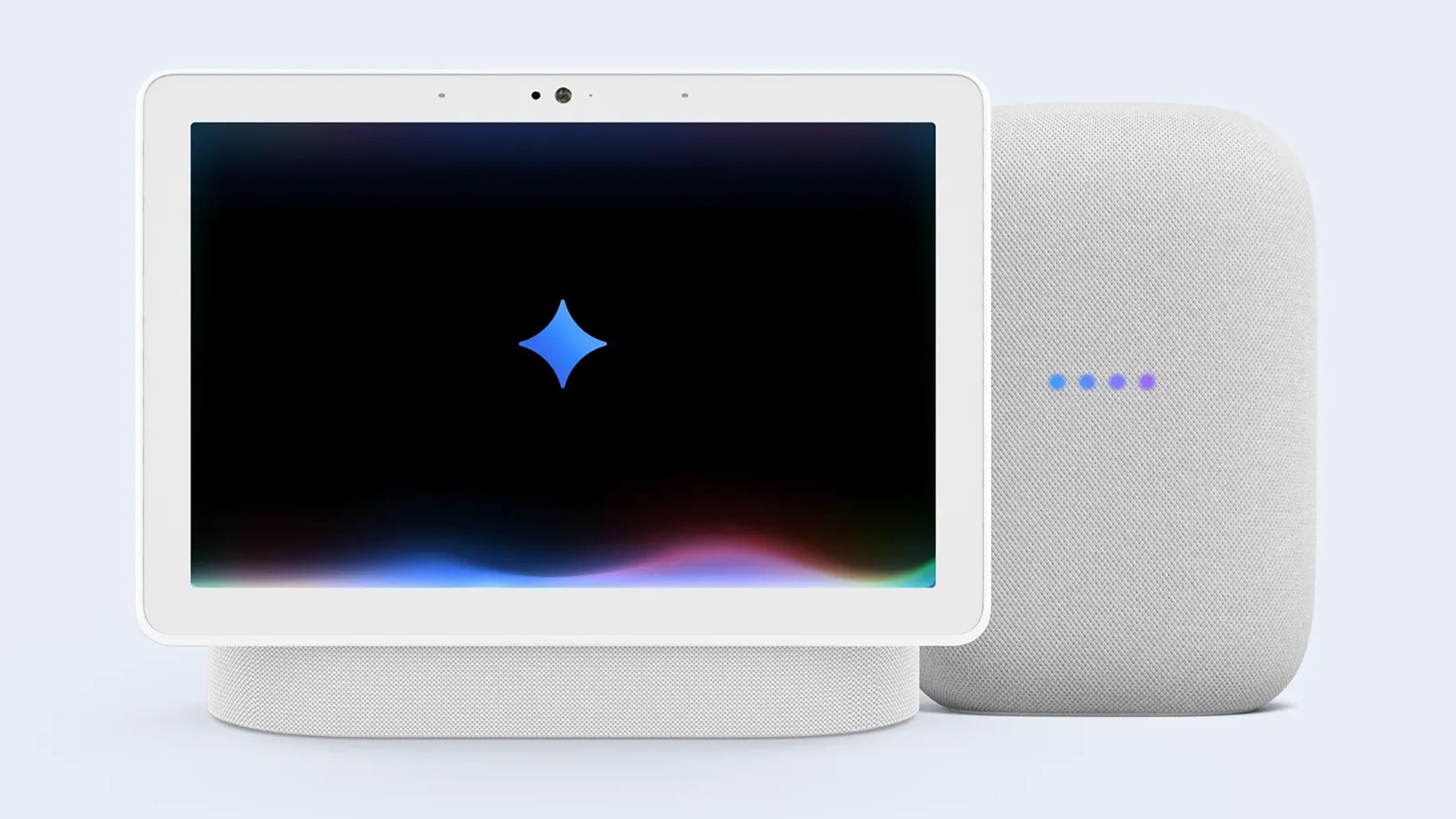
Google Home has begun expanding its Gemini early access program to 16 additional countries, including Austria, Belgium, and Japan. This rollout introduces the program in seven new languages, allowing users outside the US, Canada, and Mexico to participate. However, despite the expansion, many users have reported dissatisfaction with the updated voice assistant, citing significant performance problems.
The initiative is part of a larger effort to overhaul Google Assistant, Google’s longstanding virtual assistant for smart home devices. Announced back in October 2025, the transition to Gemini has not gone smoothly. Many users, instead of experiencing improvements, have described the upgrade as a “downgrade,” expressing disappointment on platforms like Reddit.
Common complaints focus on latency issues. Users are experiencing slow responses—often taking 7 to 10 seconds or even longer—when issuing voice commands to their Google Home devices. Reports of five-minute delays for executing routines are not uncommon. One user lamented, “It is so slow to trigger my home commands, it’s almost worthless,” highlighting the frustrations shared by many.
The backlash has led some users to seek methods to revert to the former Google Assistant, which they claim is still superior. In response, Google has acknowledged these concerns and committed to resolving the issues through updates. The company is already implementing enhancements based on user feedback, including improvements to family interactions and a reduction in verbosity for more natural communication.
Additionally, Google has announced a 40% reduction in smart home latency, aimed at speeding up responses to commands. Enhancements to Gemini’s context-aware intelligence are also being implemented to better distinguish between devices within a user’s smart home setup.
While these promises offer hope for improved functionality in the future, the mixed reactions from early adopters underscore that the transition to Gemini may require more than just technical adjustments—it necessitates regaining user trust in the product’s reliability and efficiency. As the global rollout of Gemini for Home continues, the effectiveness of these updates will ultimately be tested by users in the coming months.
The content above is a summary. For more details, see the source article.









