


Key Takeaways
- Kia is set to launch an extended-range electric vehicle (EREV) version of the Telluride SUV and a body-on-frame pickup by 2030.
- The automaker aims to expand its hybrid offerings from five to eight models in the U.S. by the end of the decade.
- Kia targets annual sales of 4.13 million units, with significant portions from hybrid and electric vehicles.
Kia’s Electric Plans for the U.S. Market
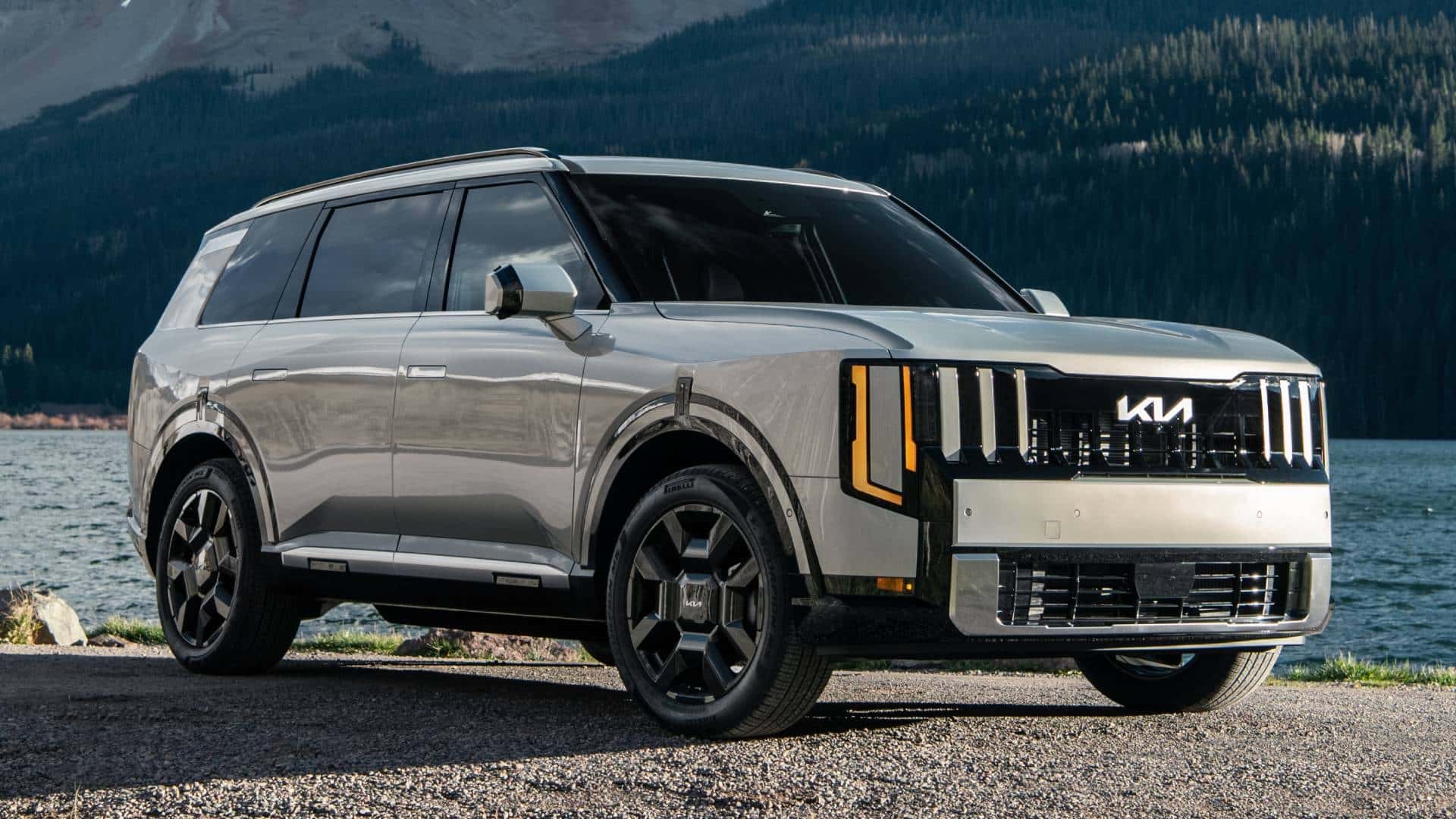
Kia announced ambitious plans to introduce two extended-range electric vehicles (EREVs) in the U.S. market by the end of the decade. This includes a new version of the popular Telluride three-row SUV and a body-on-frame pickup truck, signaling Kia’s commitment to the growing demand for versatile and environmentally friendly vehicles.
During its 2026 CEO Investor Day in Seoul, Kia’s President and CEO Ho Sung Song outlined strategies that place electric vehicles (EVs), hybrid electric vehicles (HEVs), autonomous driving, and robotics at the forefront of the company’s growth. As U.S. EV sales have begun to slow due to fluctuating demand and policy shifts, many automotive manufacturers, including Kia, are pivoting towards hybrids and EREVs as a reliable alternative.
EREVs can be fueled like traditional gasoline vehicles while also being able to recharge like electric cars. This system allows for electric drive aided by a gas generator, providing the benefits of both powertrains. Kia’s move aligns with similar announcements from competitors like Ford, Jeep, Ram, and Scout Motors, all of which are planning to introduce EREVs in the U.S.
Kia’s new body-on-frame truck will enter the U.S. market by 2030 and will be the first of its kind for the automaker in this region. Currently, Kia’s Tasman pickup is only available in markets like Australia and South America. Meanwhile, Hyundai, Kia’s sister brand, recently unveiled the Boulder SUV concept, which might feature similar powertrain technology given their shared engineering resources.
The company has already launched the Telluride hybrid this year, which will be complemented by the EREV variant by 2029. While specifications for the new models remain unreleased, there’s a recognition that EREV technology is particularly suitable for large vehicles such as SUVs and trucks. This is largely due to the high costs associated with large batteries that would otherwise be necessary for fully electric models.
In addition to EREVs, Kia is also focused on expanding its hybrid lineup from five existing models to eight by the end of the decade. Along with the current hybrids including the Niro, Sorento, Sportage, Carnival, and Telluride, new hybrid versions of the Seltos and the K5, K4, and an unnamed pickup truck are on the horizon.
Kia has set an ambitious sales goal of 4.13 million units annually, with plans for over a million being EVs and 1.15 million comprising various hybrid categories, including EREVs. This strategy outlines not only a transition toward electrification but also a broader aim at capturing significant market share in the evolving automotive landscape.
The content above is a summary. For more details, see the source article.









