


Key Takeaways
- Renewable energy advocates gained two seats on Salt River Project’s board, now holding an 8-to-6 majority.
- The election drew significant voter interest amid rising electricity prices and opposition to data centers.
- Despite the majority, incumbents maintained key leadership roles, highlighting an ongoing compromise on energy strategy.
Election Outcomes Shape Energy Future
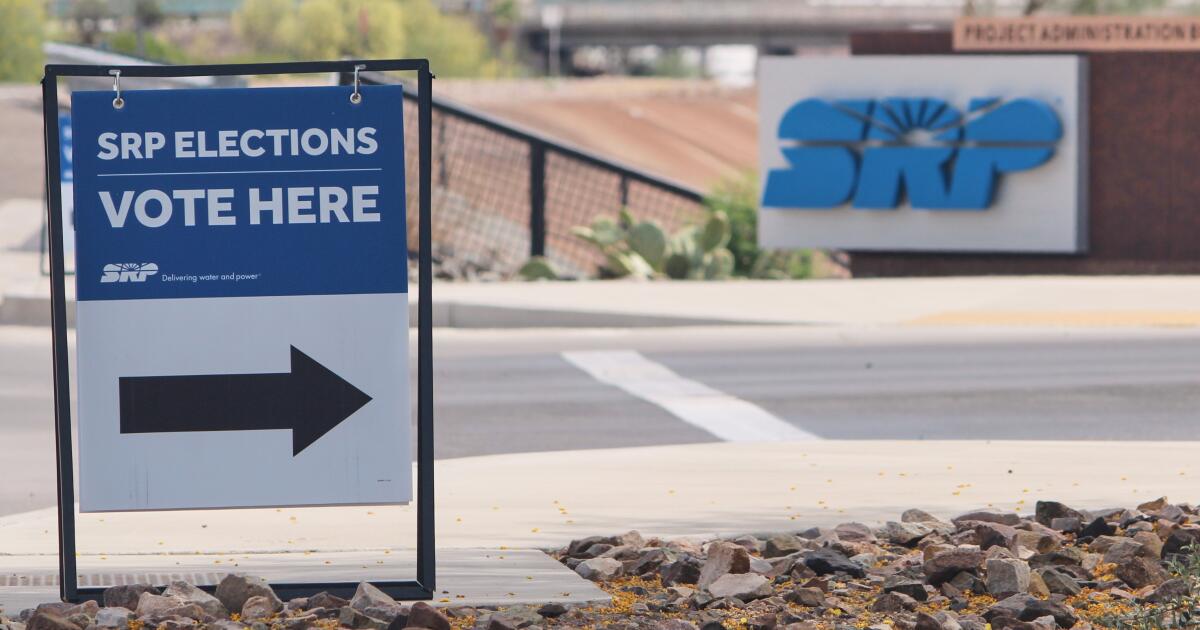
Renewable energy advocates in Arizona achieved a notable victory in the recent Salt River Project (SRP) election, securing two seats on the 14-member utility board. This shift provides them with an 8-to-6 majority, signaling a potential change in how the utility addresses the growing demands for electricity, particularly in light of increasing household electricity costs and investor concerns tied to large data centers.
The election, which concluded Tuesday, witnessed heightened voter engagement fueled by public dissatisfaction with rising energy prices. Interest amplified as numerous stakeholders, including Turning Point Action, challenged the renewable proponents, labeling them as “radical environmentalists.” Despite the advocates’ successes, incumbents allied with construction firms and data centers retained the positions of president and vice president, thereby preserving their influence over the board’s agenda.
Randy Miller, a renewable energy advocate, expressed cautious optimism about the election results, acknowledging disappointment over not securing the top leadership roles but emphasizing the need for negotiation with the existing board members. “We’re a little disappointed by not winning president and vice president, but now we have a majority, so we’re going to have to do a little negotiating,” Miller stated.
The SRP projects a requirement to double its power capacity within the next ten years to meet demand. The push is also complemented by public pressure to lessen the reliance on fossil fuels, notably coal and natural gas, due to their contributions to greenhouse gas emissions and climate change. Advocates of the existing leadership warn that a heavy shift towards renewable energy without incorporating natural gas options might lead to energy supply constraints and potential blackouts.
Meanwhile, the newly elected “clean energy” team argues that the current leadership is overly reliant on natural gas solutions, advocating instead for more renewable options. They have previously opposed significant natural gas projects proposed by SRP and voted against a rate increase last year, signaling their intent to prioritize sustainability over traditional energy sources.
As discussions on energy pricing and strategy unfold, the evolving dynamics within the Salt River Project’s board will likely play a crucial role in shaping Arizona’s energy policy. The outcome of these elections reflects broader national trends in utility control and the increasing emphasis on renewable energy amid a changing political landscape.
The content above is a summary. For more details, see the source article.









