


Key Takeaways
- The Gulf conflict is causing rising fuel prices, threatening energy supplies and economic stability across Asia.
- Governments in the region are implementing emergency measures, such as fuel tax suspensions and subsidies, to mitigate the impacts.
- A shift towards renewable energy investment is crucial for long-term economic resilience and energy transition.
Impact of Gulf War on Asian Economies
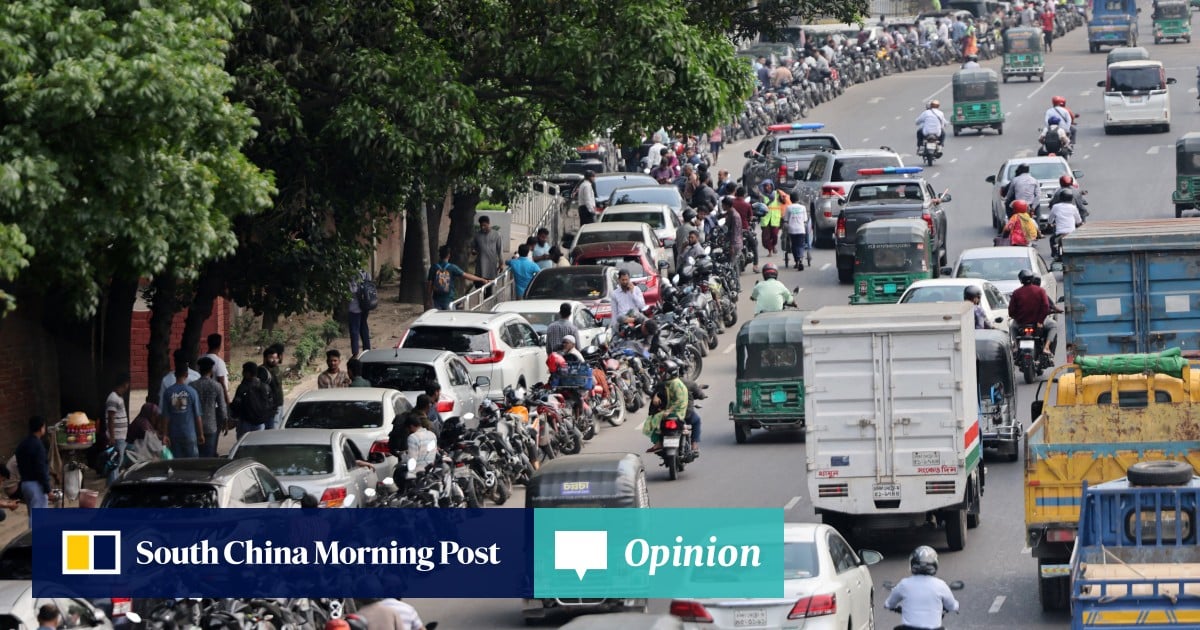
The ongoing war in the Gulf has severely affected Asian economies by disrupting global energy supplies, which is driving up fuel prices and creating the potential for economic stagnation and inflation. In response, several governments in the region are taking emergency measures to safeguard citizens from surging prices and job losses while trying to sustain economic growth.
Countries such as Vietnam have temporarily suspended certain fuel taxes to alleviate rising costs. Meanwhile, the Philippines has declared a national energy emergency, providing subsidies for transport drivers to ease their financial burden. Indonesia is re-allocating budget funds towards fuel subsidies, which are being financed through cuts in other departmental budgets.
Malaysia has opted to maintain the subsidized price of petrol but has reduced the volume available to each consumer by one-third to address the increasing fiscal strain from fuel subsidies. Other nations in Asia are considering increasing output from coal-fired power plants in the short term to manage energy supply issues.
While energy subsidies can offer immediate relief to consumers, experts warn that the global fuel supply shock highlights the urgent need for a long-term transition away from fossil fuels and towards clean energy solutions. This transition would require increased investment in renewable sources such as wind, solar, and hydropower, especially as electricity demand continues to rise in the region. Furthermore, electrification of transport and industry is necessary wherever feasible.
The momentum towards this energy transition has already begun; for instance, investment in renewable energy in Southeast Asian countries has surged from approximately US$30 billion in 2015 to a projected US$47 billion by 2025. Conversely, investment in fossil fuel generation has decreased by US$20 billion during the same period.
In summary, the Gulf conflict underscores the interconnectedness of global energy markets and the pressing need for Asian economies to innovate and adapt through cleaner energy solutions to ensure economic viability and energy security in the long term.
The content above is a summary. For more details, see the source article.









