


Key Takeaways
- The ride-hailing company plans to transition from driver-owned cars to fleet-operated robotaxis.
- This shift is anticipated to increase efficiency and reduce operational costs.
- The company is exploring partnerships to advance its autonomous vehicle technology.
Transitioning to Robotaxi Fleets
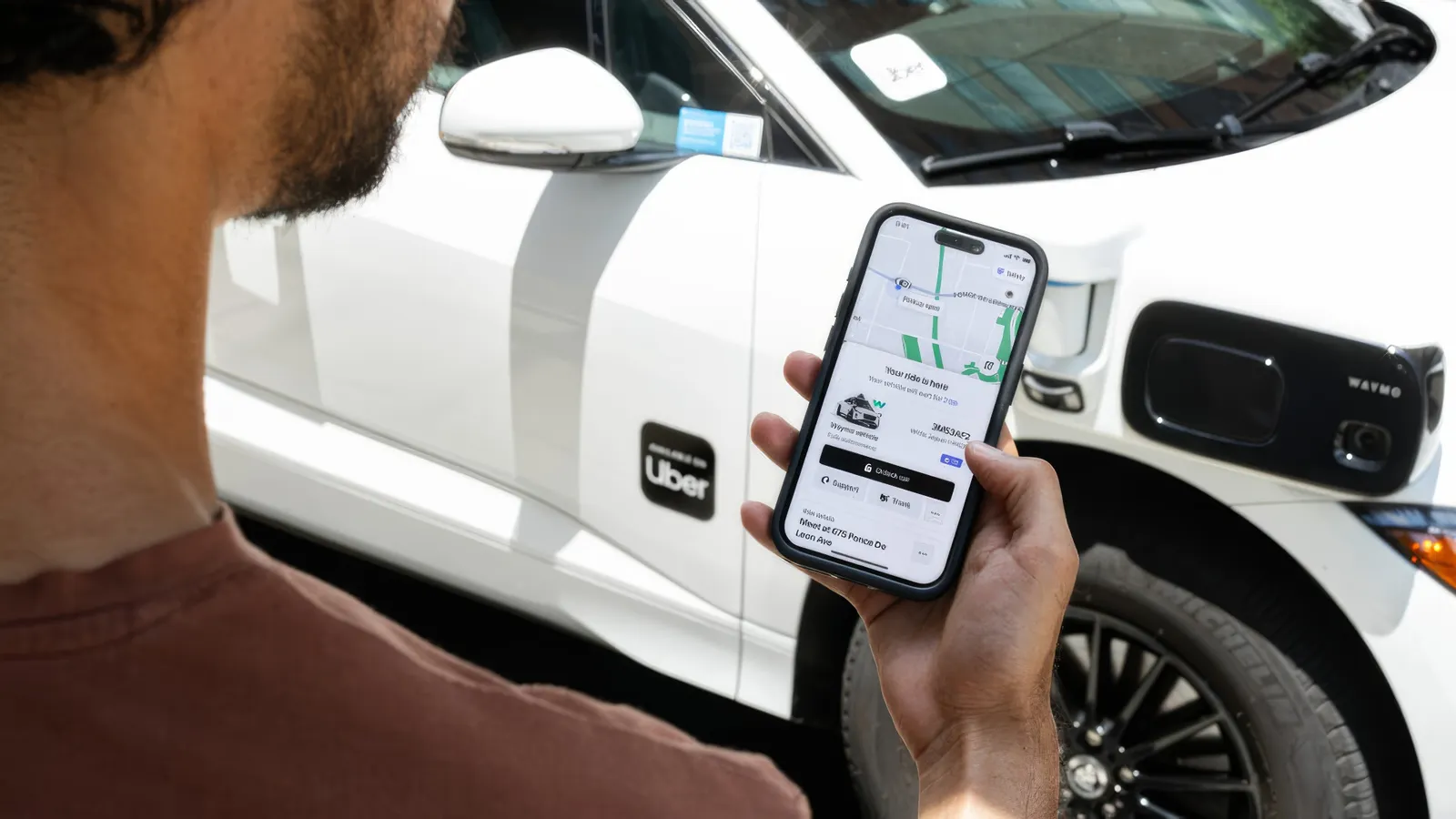
According to a report by the Financial Times, a leading ride-hailing company is gearing up for a significant change in its operational model, moving away from traditional driver-owned vehicles towards a fleet of company-operated robotaxis. This strategic pivot aims to enhance overall efficiency in service delivery and minimize operational expenditures associated with human drivers.
The future vision underscores the importance of leveraging advanced technology to improve passenger experiences and optimize routes. By adopting an autonomous model, the company hopes to streamline operations, effectively addressing issues related to supply and demand imbalance that frequently plague ride-hailing services. The increased efficiencies anticipated with robotaxis could also extend service availability during peak times and enhance consumer satisfaction.
To implement this ambitious transition, the company is exploring various partnerships and collaborations with technology firms specializing in autonomous vehicle development. These alliances are expected to be key in accelerating the introduction of robotaxis to the consumer market, as partnerships can provide the necessary technological infrastructure and expertise.
Market analysts suggest that this strategy aligns with broader industry trends, where many companies are investing in autonomous technology to remain competitive. As urban environments continue to evolve, the shift to robotaxi fleets could signify a crucial turning point not only for the company but also for the entire ride-hailing landscape.
In conclusion, the move towards company-owned robotaxi fleets represents a forward-thinking strategy aimed at redefining urban mobility. With ongoing advancements in autonomous vehicle technology and strategic industry partnerships, the ride-hailing company is positioning itself at the forefront of a transformative era in transportation.
The content above is a summary. For more details, see the source article.









