


Key Takeaways
- Historian Andrew Wayne Saunders will deliver a lecture on the Lincoln Highway in Sonoma on April 23.
- The lecture is organized by the Sonoma Valley Historical Society and is open to the public.
- The Lincoln Highway was the first transcontinental road in the U.S., established in 1913, and reshaped national travel.
Event Details
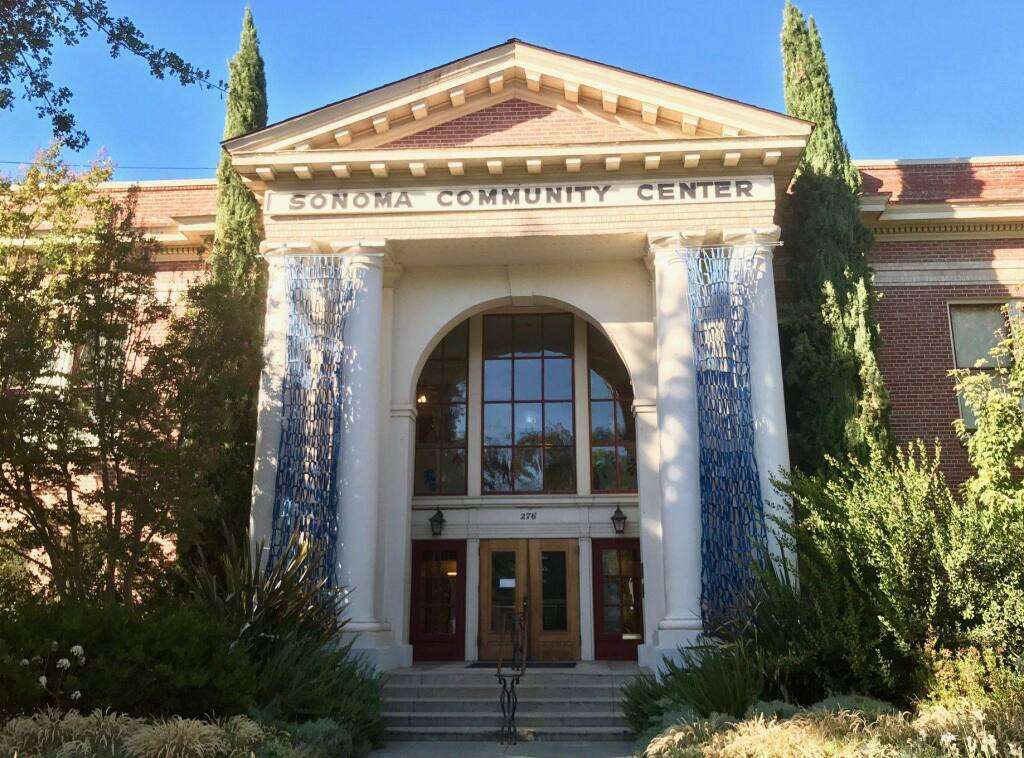
Andrew Wayne Saunders, a historian based in Citrus Heights, California, will present a lecture on the Lincoln Highway, the first transcontinental road for automobiles in the United States, at the Sonoma Community Center. The event, hosted by the Sonoma Valley Historical Society, is scheduled for Thursday, April 23, from 6:30 to 7:30 p.m., with a reception beginning at 6 p.m. Tickets are priced at $5 for members and $10 for nonmembers, and no reservations are required for attendance.
The Lincoln Highway played a crucial role in the evolution of cross-country travel in the U.S. Before its establishment, California was isolated, with difficult overland travel nearly impossible except via railroad. The invention of the modern automobile in 1886 created public demand for a long-distance highway, prompting early drivers to undertake arduous journeys across the country to advocate for a “coast-to-coast rock highway.”
This grassroots effort led to the formation of the Good Roads Movement, culminating in the Lincoln Highway’s creation. Dedicated in 1913, it spanned 3,389 miles across 13 states, stretching from Times Square in New York City to Lincoln Park in San Francisco. Over the years, the highway underwent various improvements and realignments, reducing its length to 3,142 miles by 1924.
With the establishment of the U.S. Numbered Highway System in 1926, much of the Lincoln Highway’s route was reclassified, predominantly becoming U.S. Route 30 from Pennsylvania to Wyoming. The introduction of the Interstate Highway System in 1956 significantly overshadowed the Lincoln Highway, with former alignments mainly replaced by Interstate 80 as the primary coast-to-coast route.
In his upcoming lecture, Saunders aims to preserve the cultural heritage associated with the Lincoln Highway and emphasize its historical significance, which has become overshadowed by modern transportation developments. His insights will offer a unique perspective on a pivotal chapter in American infrastructure history.
The content above is a summary. For more details, see the source article.









