


Key Takeaways
- The transition from generative AI to agentic AI will drastically increase data center compute power requirements.
- Agentic AI enables simultaneous, autonomous data queries, reducing the need for human intervention.
- Improvements in chip architecture are essential for enhancing bandwidth and facilitating faster data movement.
Increasing Demand for Computing Power
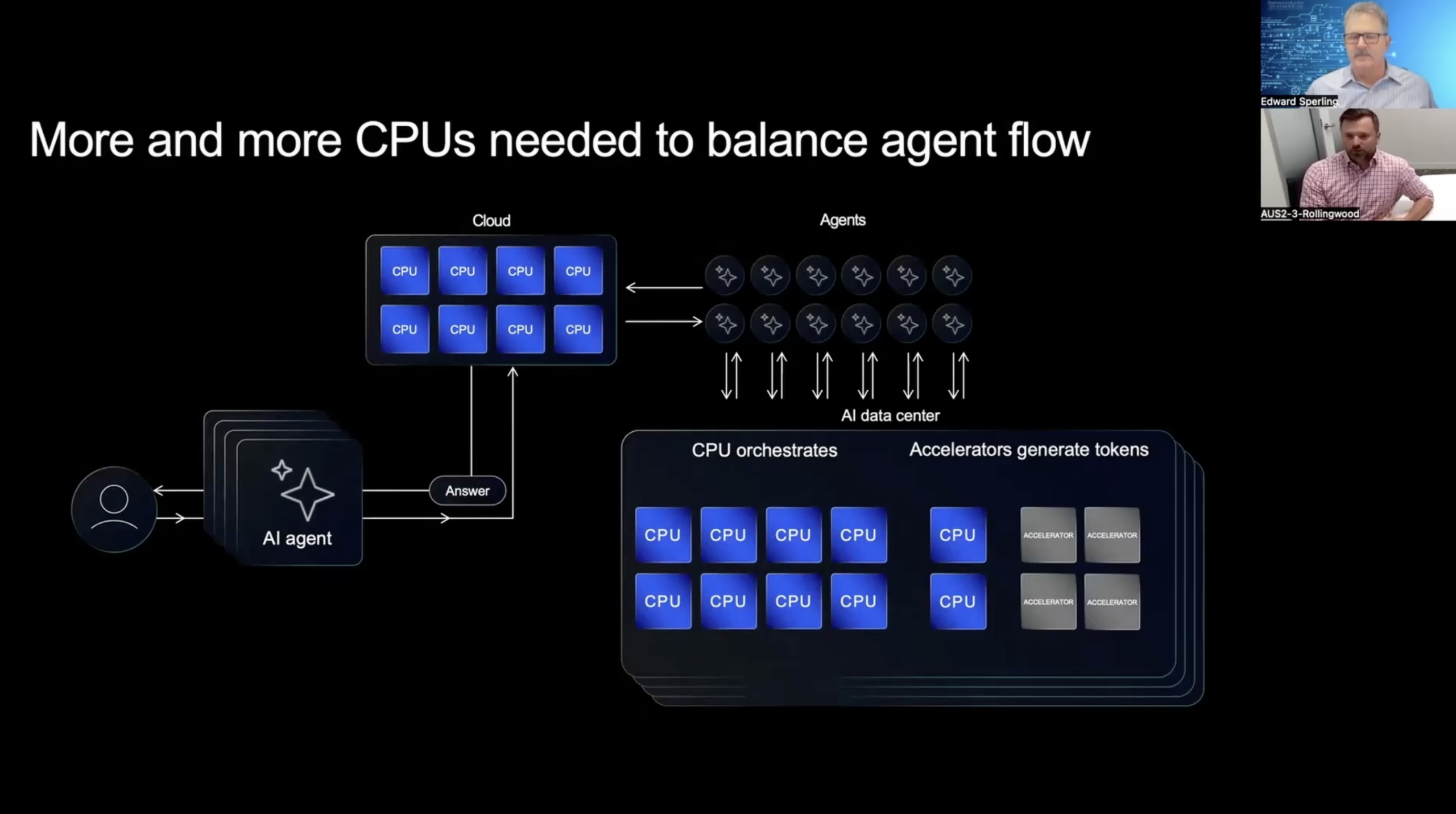
The shift from generative AI to agentic AI represents a significant transformation in data handling and processing. This evolution will substantially increase the compute power required in data centers. According to Jeff Defilippi, senior director of product management at Arm, the necessity to support continuous, autonomous data querying will reshape how compute resources are structured.
Traditionally, generative AI allowed for single-user queries, where a person would initiate a request. In contrast, agentic AI operates on a different level, enabling multiple agents to run queries simultaneously and autonomously. This paradigm shift means that data analysis can occur around the clock without constant human oversight, increasing efficiency but also the demand for processing power.
With agentic AI, the architecture must adapt to manage the orchestration of these queries. This involves intricate design considerations for the distribution of tasks among agents and optimizing data processing speeds. Defilippi emphasizes the importance of improving chip architecture to enhance bandwidth, which is critical to ensuring swift data movement between agents and data sources.
To meet the needs of agentic AI, data centers will not only need to scale up their compute power but will also require innovative solutions to manage the flow of data effectively. This evolution will challenge current paradigms and necessitate advancements in technology, especially in how data kernels are designed and how processors interact within these new systems.
In conclusion, as the industry transitions to agentic AI, the implications for data processing and infrastructure are profound. Increased computational demands will drive significant changes in the architecture of data centers, focusing on speed and efficiency in data movement and processing. Organizations involved in AI development must prepare for these changes to remain competitive in a rapidly evolving digital landscape.
The content above is a summary. For more details, see the source article.









