


Key Takeaways
- House Agriculture Chairman Glenn “GT” Thompson proposes $20 billion in additional aid for farmers facing rising production costs.
- Proposed allocations include $10 billion for row crops, $10 billion for specialty crops, and $200 million for forestry support.
- The partial farm bill is expected to receive a full chamber vote by the end of April, with discussions ongoing regarding contentious provisions.
Proposed Farm Aid Amid Rising Costs
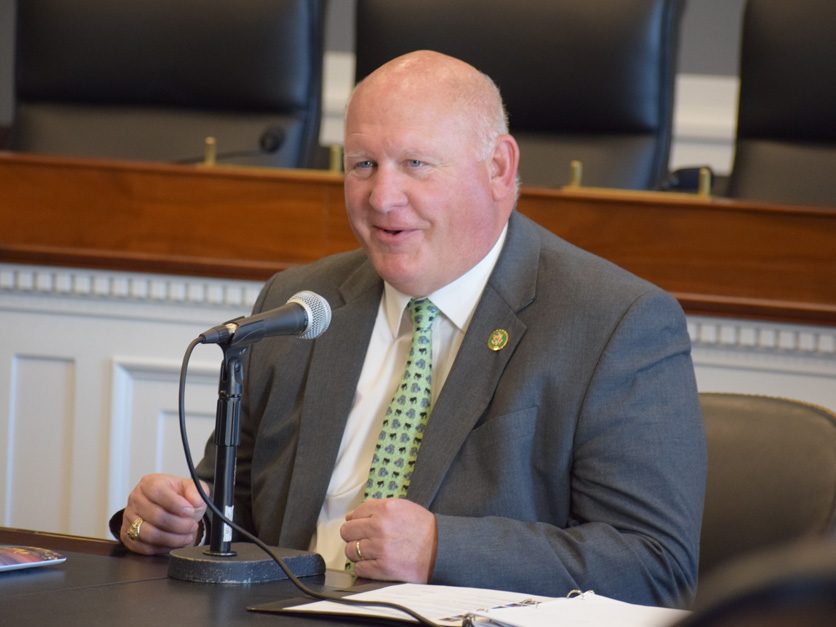
House Agriculture Chairman Glenn “GT” Thompson, R-Pa., has proposed a substantial aid package amounting to $20 billion for farmers struggling with escalating production costs. This aid is aimed at helping both row crop producers and specialty crop growers, each set to receive an equal amount. Additionally, Thompson has earmarked $200 million specifically for sawmills, infrastructure, and forestry initiatives.
Earlier this year, the Farmer Bridge Assistance Program released $12 billion in relief to help farmers cope with disruptions in trade and the soaring costs of essential inputs like fertilizer. However, the ongoing U.S.-Israeli tensions are exacerbating the situation, driving up prices for fuel, shipping, and other critical resources, further alarming agricultural groups about the industry’s financial outlook.
Senate Ag Committee Chairman John Boozman, R-Ark., expressed support for additional aid while acknowledging he had yet to discuss the $20 billion figure with Thompson. He recognized the undeniable need for further funding, especially given the surge in fertilizer and diesel costs. Similarly, Senate Ag Appropriations Subcommittee Chair John Hoeven, R-N.D., indicated he is considering approximately $17 billion in additional farm aid but noted that the final allocation amounts for row and specialty crops are still under negotiation. He remarked that $10 billion for specialty crops feels “very high” and is the largest estimate he has encountered.
While specific legislative pathways for the proposed aid have not been finalized, the likelihood of a supplemental spending bill has been suggested. Hooven mentioned that including funding for California wildfire relief in such a bill could garner bipartisan support, making it difficult for Democrats to oppose it. Discussions around disaster aid range between $7 billion and $15 billion, designed to address agricultural and wildfire-related losses, although the total has yet to be settled.
Thompson also highlighted that the partial farm bill sanctioned by the House Ag Committee in March is on track for a full chamber vote by the end of April. This bill has garnered support from several Democrats in committee discussions. Elements from last summer’s “One Big Beautiful Bill Act” have been incorporated into the House’s proposed farm bill, which also includes contentious matters like overturning California’s Proposition 12 animal welfare standard and protecting pesticide manufacturers from lawsuits. Thompson acknowledged that these particular provisions have generated debate within the House, though he noted they pose a more significant challenge in the Senate. He believes that Senator Boozman is equipped to navigate these discussions effectively to achieve the necessary votes.
With optimism expressed regarding the markup of the farm bill in the House, Thompson is working with both Republican and some Democratic committee members to secure support. Despite not estimating how many Democrats would back the legislation, the collaborative efforts appear to be gaining momentum as the chamber prepares for critical votes in the near future.
The content above is a summary. For more details, see the source article.









