


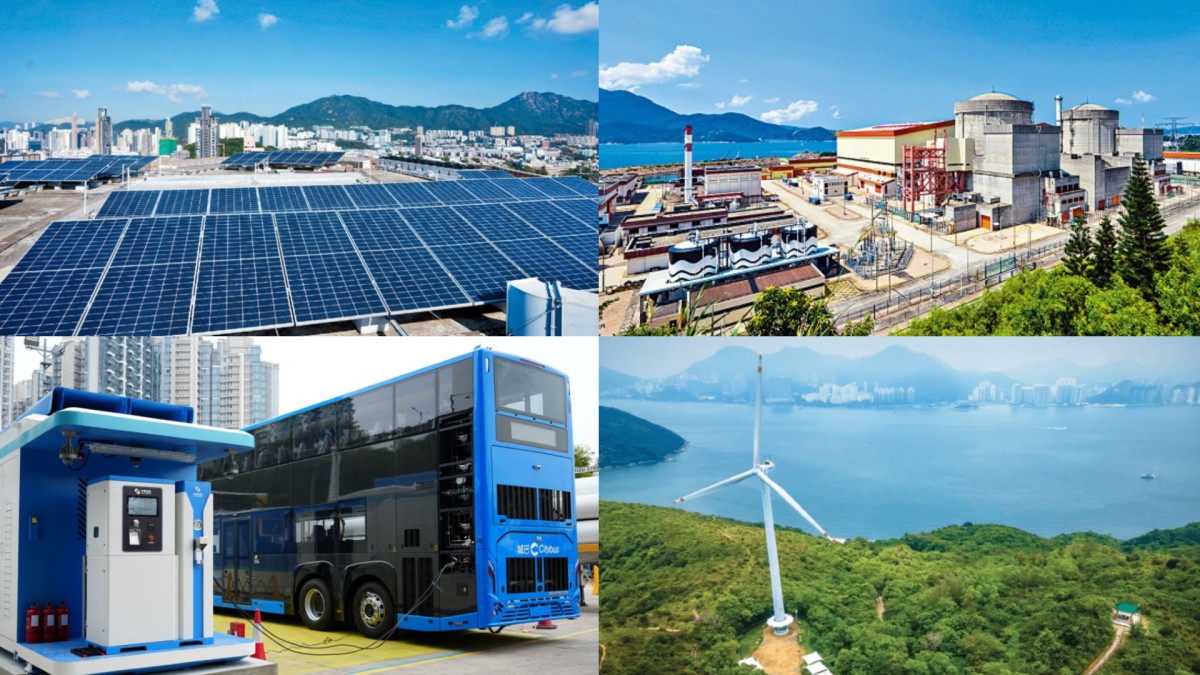
Key Takeaways
- Hong Kong’s heavy reliance on energy imports highlights the need for a transition to low-carbon energy sources like solar, wind, and hydrogen.
- The government aims to increase low-carbon energy’s contribution to 60-70% by 2035, but challenges like limited space and high costs persist.
- Collaboration with the Greater Bay Area and improvements in energy storage and grid flexibility are essential for Hong Kong’s energy future.
Energy Transition Challenges in Hong Kong
As tensions in the Middle East impact global energy markets, Hong Kong’s reliance on energy imports and limited domestic resources have raised concerns about its energy future. Currently, natural gas supplies 55.5% of the city’s electricity, with about 12% sourced from Qatar. While low-carbon energy sources—including nuclear, solar, and wind—comprise 25% of the energy mix, the government aims to increase this to 60-70% by 2035.
Solar energy emerges as a viable option due to the city’s abundant rooftop space. An academic study indicates that covering 233,000 buildings with solar panels could yield approximately 4.67 billion kilowatt-hours annually. Industry experts highlight advancements in solar technology and affordable panel costs, particularly due to backing from mainland manufacturing. However, geographic limitations pose challenges; existing initiatives have yielded only 1-2% of the city’s total electricity consumption.
Wind power also remains a potential source with projections of generating over 8 billion kilowatt-hours. Yet, logistical hurdles and high costs have hindered progress, exemplified by the dismantling of the Lamma Winds turbine. Hydropower is being explored as a long-term solution, with 35 pilot projects focusing on hydrogen applications. However, cost barriers are significant, with green hydrogen potentially costing four to six times more than diesel, limiting its feasibility in the near term.
Nuclear energy plays a crucial role in Hong Kong’s energy landscape, accounting for about 25% of consumption via imports from Guangdong province. Despite the challenges of new technologies, such as small modular reactors, nuclear energy remains a reliable low-carbon source.
Waste-to-energy technologies are under exploration, with the I·PARK1 facility expected to contribute 480 million kilowatt-hours annually, although it will likely represent less than 5% of total power generation in the short term.
Experts propose greater cooperation with the Greater Bay Area as a key strategy, emphasizing China’s capacity to develop renewable resources. However, cross-border infrastructure development could take years, and there are concerns regarding energy loss during transmission.
In the face of growing energy demands, experts agree that increasing system flexibility and managing consumption through smart technologies are vital. Power companies are already piloting hydrogen solutions and smart meters to manage electricity use efficiently.
Overall, as Hong Kong navigates its energy transition, experts emphasize the importance of diversifying sources, expanding low-carbon options, and enhancing grid management to ensure stability in an uncertain global energy landscape.
The content above is a summary. For more details, see the source article.









