


Key Takeaways
- IHS focuses on real-time monitoring to enhance security and collaboration with partners, particularly in remote areas.
- Artificial intelligence is seen as a supportive tool for both clinical and security operations, rather than a replacement for human roles.
- Cultivating a culture of cybersecurity as patient safety is essential for adapting to evolving threats and technologies.
Enhancing Security Through Real-Time Monitoring
The Indian Health Service (IHS) faces unique challenges due to its distributed network of facilities, particularly in remote locations with limited connectivity and resources. Ensuring consistent access to systems while maintaining security requires comprehensive insight into user interactions with data and services.
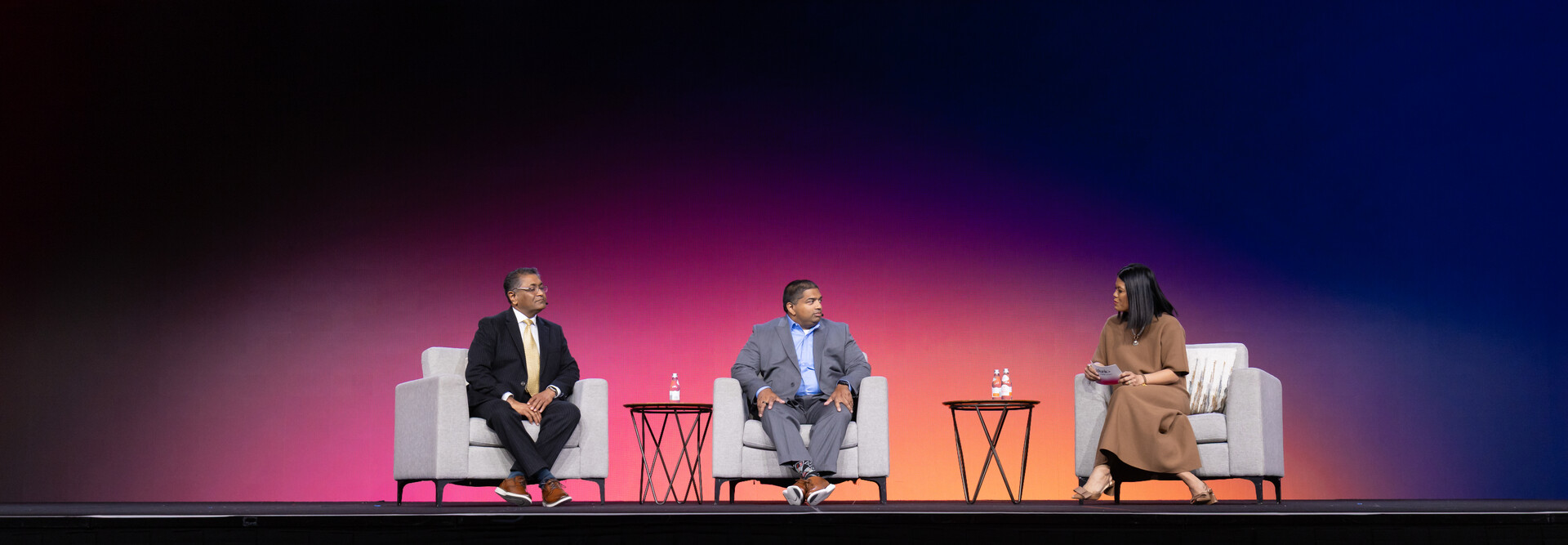
According to Koshy, the agency has emphasized the importance of real-time monitoring, especially in collaborating with external partners like tribal organizations. This proactive approach enables IHS to detect suspicious activities and alert partners before potential incidents escalate. Koshy remarked, “Having that real-time visibility and the ability to act on it quickly has been beneficial not only to the Indian Health Service but also to our partners.”
Pragmatic Adoption of Artificial Intelligence
As various agencies look into artificial intelligence, IHS adopts a pragmatic stance focused on augmenting workforce capabilities rather than substituting them. Koshy describes AI as a valuable tool for both security teams and clinicians, particularly given the prevalent staffing constraints in healthcare settings.
The technology is utilized for various purposes: it aids security analysts in processing logs and prioritizing threats, while on the clinical front, IHS is investigating automated transcription capabilities for electronic health records. This allows healthcare professionals to concentrate more on patient interactions. Although AI can generate notes from conversations, physicians are still responsible for reviewing all documentation to ensure accuracy.
Wilson emphasized that AI implementation must be executed thoughtfully, prioritizing user awareness and appropriate usage. Without proper training, he cautioned, the tools could lead to confusion instead of clarity. To foster a smooth transition, IHS is investing in education and communication to ensure that staff are well-informed about both the advantages and potential drawbacks of emerging technologies.
Culture and Flexibility in Cybersecurity Strategy
Koshy and Wilson both highlighted that a strong culture of cybersecurity and adaptability is crucial for effective modern security strategies. IHS promotes the idea that “cybersecurity is patient safety,” urging all staff to integrate security practices into their everyday roles in delivering care. The agency enhances formal training with ongoing outreach initiatives, such as newsletters and real-world scenarios, to maintain heightened awareness.
Wilson also pointed out the importance of continuous education and clear communication as the landscape of threats and technologies evolves. He advised organizations looking to modernize their security approach to start with mission priorities, designing systems capable of evolving over time. Koshy added that any security measures put in place today are likely to change over the next five years, so incorporating flexibility from the outset is essential for future-proofing security postures.
The content above is a summary. For more details, see the source article.









