


Key Takeaways
- India’s healthcare system faces structural challenges, impacting access and coordination.
- Medical technology innovations, such as Health ATMs and tele-surgery, are emerging to address these gaps.
- Regulatory reforms and ethical pricing are crucial for enhancing medical technology accessibility and self-reliance.
Challenges in Healthcare Delivery
India’s healthcare system has long faced structural issues, including a shortage of healthcare professionals, unequal access to care, and weak coordination among different levels of health services. While progress has been made in the pharmaceutical sector, medical education, and diagnostic networks, the system remains vulnerable, often favoring those who can afford it.
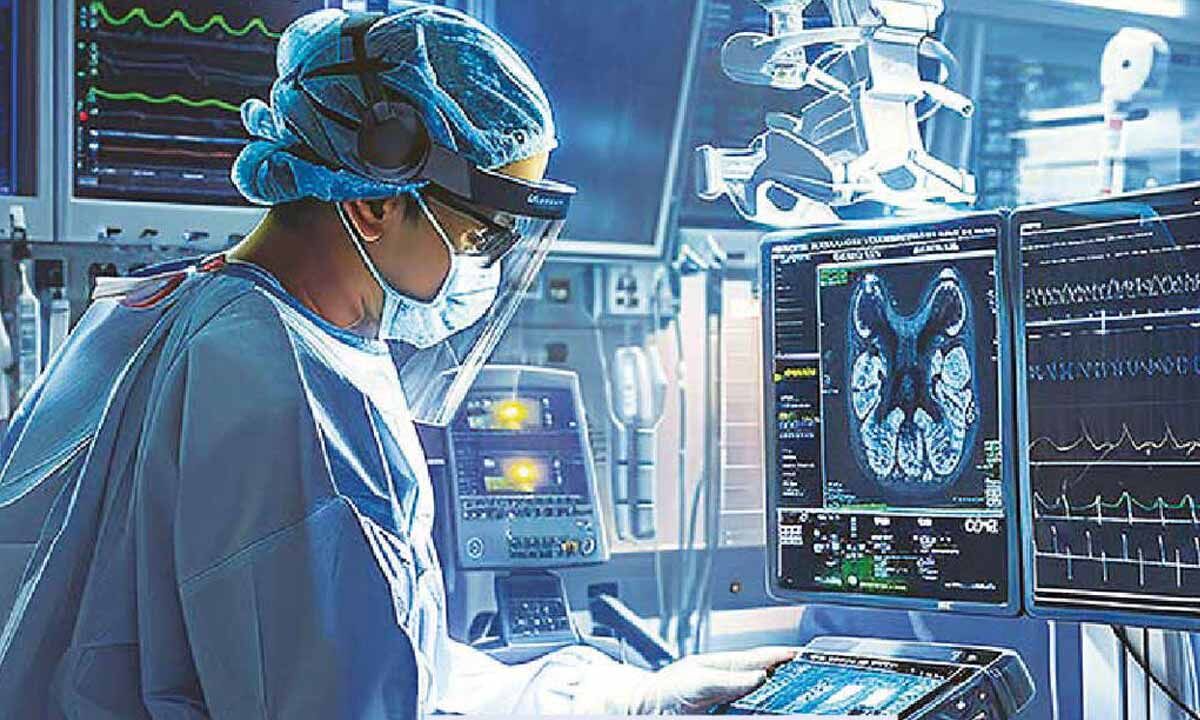
Recent years have witnessed a transformative shift towards medical technology (MedTech) in the country, presenting an opportunity to address significant challenges. Historically, India viewed MedTech primarily as a range of imported products, relying on foreign sources for over 90% of its needs until five years ago. However, advancements like the Andhra Pradesh Medical Technology Zone (AMTZ) and policy initiatives such as the Production Linked Incentive (PLI) are fostering domestic manufacturing and innovation.
Innovative technologies are enhancing healthcare delivery by integrating digital health, artificial intelligence, and connected care platforms. Health ATMs exemplify this trend, potentially democratizing health assessments and diagnostics across urban and semi-urban regions. These machines can be placed in accessible locations, allowing citizens to avail essential services at minimal costs.
Regulatory Reforms Needed
Regulatory barriers necessitate urgent reform. Except for pregnancy test kits, most diagnostic tests cannot be directly purchased from pharmacies, limiting access to timely treatment. Including certain diagnostic kits in the over-the-counter category could expand accessibility to preventive care, allowing pharmacies to sell them without prescriptions.
Tele-surgery is another promising area, enabling remote operations through high-speed 5G networks. This approach not only addresses the shortage of specialist surgeons but also enhances local surgical capabilities by allowing specialists to guide complex procedures remotely.
Additionally, medical technology can better serve underserved populations, including the elderly and individuals with disabilities. Establishing a co-payment system for assistive products could significantly improve health outcomes.
As the burden of non-communicable diseases rises, homecare services, including mobile dialysis and dental care, present crucial growth opportunities. A regulatory framework facilitating these services can alleviate hospital pressures and offer patients convenience without overburdening the government.
Affordability and Sustainability
Implementing ethical pricing norms is vital for maintaining the accessibility of medical technology. Historical examples show that regulated pricing can lower costs for essential procedures while spurring domestic manufacturing. India can benefit from structured price rationalization for medical devices, creating a more integrated healthcare system aligned with the expanding middle class’s needs.
These strategies not only have the potential to enhance healthcare delivery but also to strengthen India’s burgeoning $15 billion MedTech sector, aiming for a target of nearly $50 billion in the coming years. With reduced dependence on imports, India’s healthcare system could transform into a self-reliant and globally competitive force in medical technology.
The content above is a summary. For more details, see the source article.









