


Key Takeaways
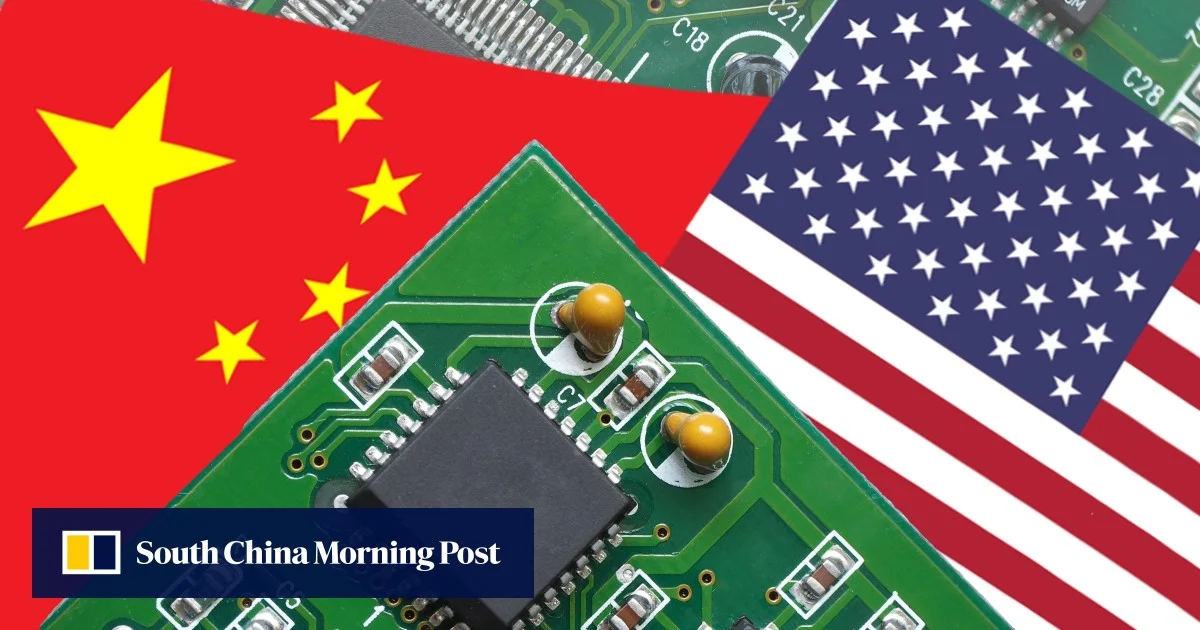
- The US is intensifying measures against China, particularly in technology exports, ahead of a critical meeting between Presidents Trump and Xi Jinping.
- New export control measures aim to restrict China’s access to advanced semiconductor manufacturing equipment.
- Beijing’s adaptation to previous restrictions may limit the effectiveness of the new US strategies.
US Tightens Export Controls on Technology to China
The United States is increasing pressure on China across various strategic fronts, which could bolster President Donald Trump as he prepares for a high-stakes summit with President Xi Jinping scheduled for mid-May. However, analysts indicate that China is likely to remain unfazed by these efforts, having already adjusted to previous restrictions by minimizing its dependence on the American market.
Recently, the House Foreign Affairs Committee has approved 20 new export control measures aimed at limiting China’s access to American technology. These measures are designed to restrict China’s ability to procure advanced semiconductor manufacturing equipment. The proposals will soon be reviewed by the broader Republican-controlled House, which is expected to debate their implications.
In addition to legislative measures, the US Department of Commerce has instructed chip equipment manufacturers to suspend shipments of specific tools to Hua Hong Semiconductor, which is China’s second-largest producer of chips. Liang Yan, a professor of economics at Willamette University, commented on the situation, noting that the US appears concerned about China’s advancements in chipmaking and its recent investments in machinery necessary for manufacturing semiconductors, including critical lithography tools.
With the tightening of these controls, the US seeks to align the actions of its allies, particularly the Netherlands and Japan, to ensure a unified approach in restricting the sale of advanced semiconductor equipment to China. However, the effectiveness of these measures remains uncertain, as Beijing continues to strategize around such restrictions, indicating a potential resilience to pressure from Washington.
Overall, while the US aims to strengthen its position against Chinese technological advancements, the extent to which these efforts will achieve their desired outcomes remains to be seen, particularly as China maintains a responsive and adaptable stance toward previous hurdles.
The content above is a summary. For more details, see the source article.









