


Key Takeaways
- Colombia and the Netherlands co-host the “Transitioning Away from Fossil Fuels” conference, addressing urgent climate action.
- More than 50 countries discussed strategies for phasing out fossil fuels and transitioning to renewable energy.
- Future plans may include a legally binding treaty for fossil fuel reductions, with Tuvalu and Ireland hosting the next conference.
Conference Overview
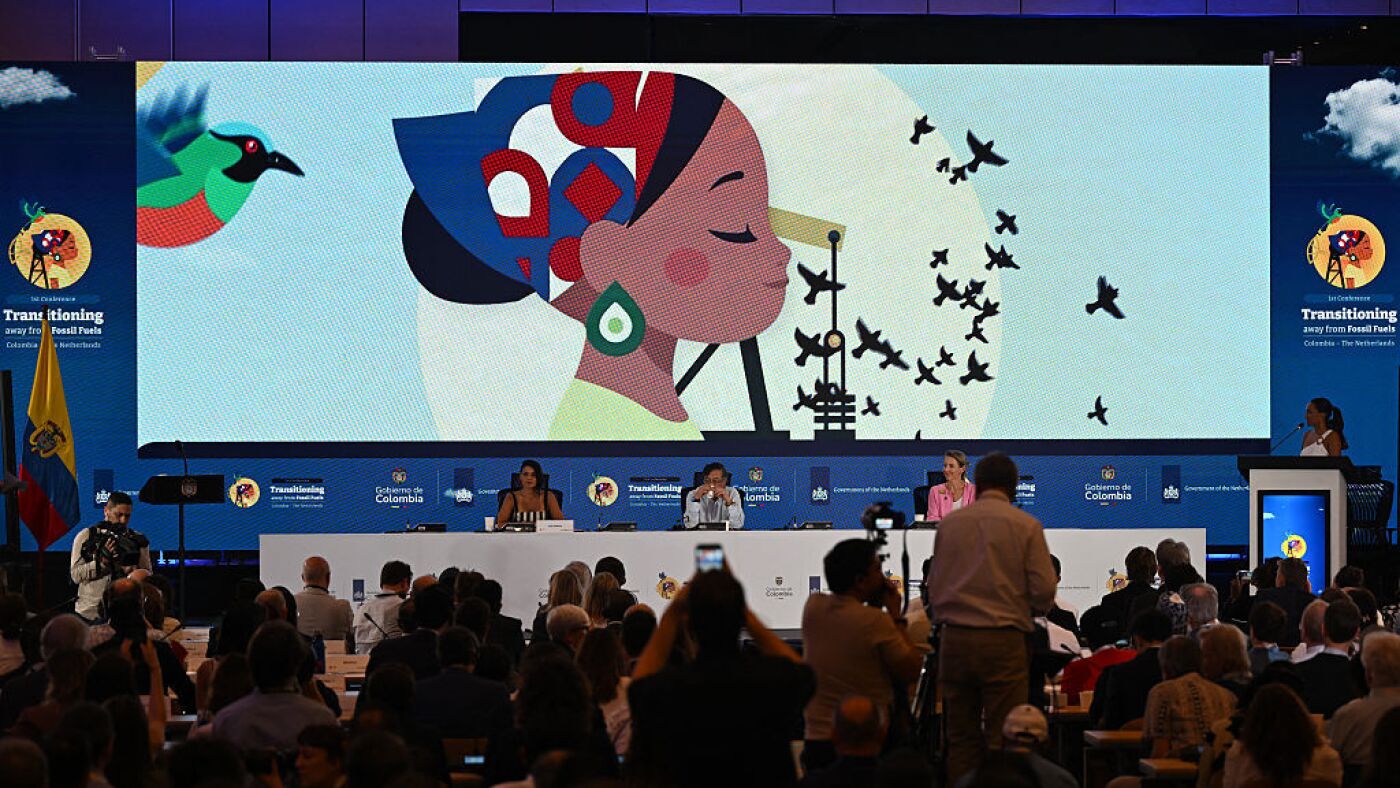
In a significant move towards climate action, Colombia and the Netherlands recently hosted the “Transitioning Away from Fossil Fuels” conference in Santa Marta. This event gathered representatives from over 50 countries to collaborate on ways to eliminate reliance on fossil fuels—coal, oil, and gas—identified as major contributors to climate change.
The conference emphasized the urgency of reducing fossil fuel production, highlighted by the global energy crisis exacerbated by recent geopolitical events. During the opening plenary session, Colombia’s Environment Minister Irene Vélez Torres urged nations to transform ambition into action, declaring the conference a potential turning point in history.
Despite the participation of several fossil fuel-producing countries, including Australia and Nigeria, the United States and China were notably absent. The U.S. State Department described the transition as “destructive,” asserting its commitment to traditional energy sources. In contrast, other nations voiced a pressing need for change, driven not just by climate concerns but also by economics. Leo Roberts from E3G highlighted the financial advantages of moving away from fossil fuels.
Discussions at the conference focused on facilitating quicker transitions, such as reallocating fossil fuel subsidies toward renewable energy initiatives. A significant concern was finding new job opportunities for those in fossil fuel industries, especially in regions reliant on coal mines.
Frustration over the slow progress in global climate talks led to the establishment of this conference. Past United Nations climate conferences have struggled to produce concrete plans for reducing fossil fuel use, particularly due to opposition from prominent oil-producing nations. Andrea Guseman from the Center for International Environmental Law indicated that negotiations have often faltered on including fossil fuel reduction language.
The two-day talks also explored the possibility of a legally binding treaty for countries to commit to fossil fuel reductions. A faction within the conference pushed for a more formal approach, while others advocated for less stringent measures.
Looking ahead, Tuvalu and Ireland have been selected to host the next conference, signaling a continued commitment to the cause. Climate scientists, including Johan Rockström of the Potsdam Institute, remain optimistic yet stressed that urgent action is necessary to limit global temperature increases to within 1.5 degrees Celsius. The sentiment at the conference reflected a dawning recognition of the need for rapid transitions away from fossil fuels, offering a beacon of hope in combatting climate change.
The content above is a summary. For more details, see the source article.









