


Key Takeaways
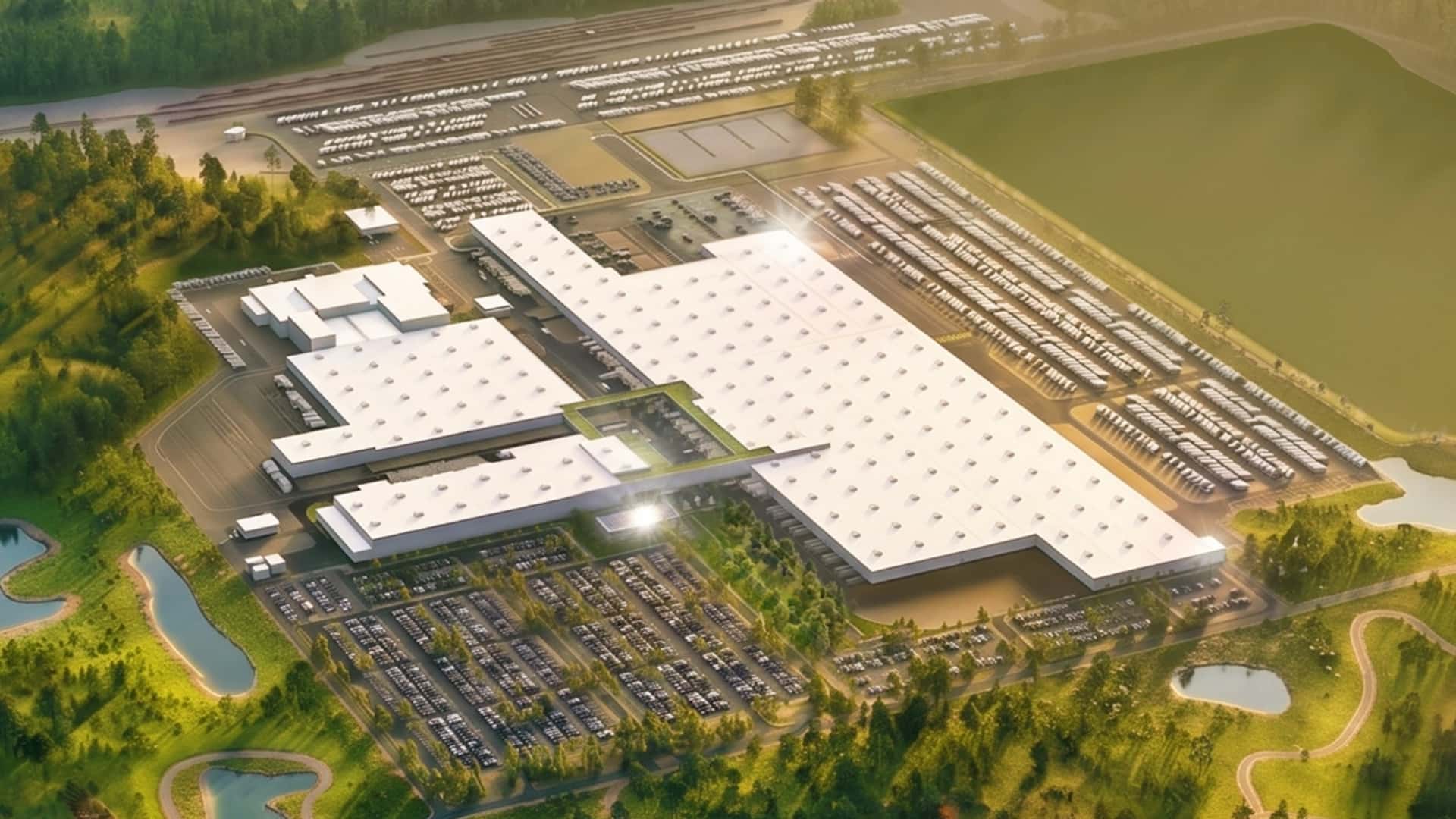
- Rivian’s Georgia plant will now have an initial production capacity of 300,000 units, increased from 200,000.
- The facility is set to begin operations by late 2028, with an anticipated loan of $4.5 billion from the Department of Energy.
- Rivian aims to achieve positive cash flow using its new R2 vehicle line, complementing its existing production in Illinois.
Production Expansion Plans
Rivian has announced an increase in the initial production capacity of its new Georgia plant to 300,000 vehicles annually, a notable rise from the previously planned 200,000. This update came during the company’s first-quarter earnings report, where Rivian reiterated its goal to commence production by late 2028.
Alongside this capacity increase, Rivian plans to secure a loan of $4.5 billion from the Department of Energy, a reduction from an earlier estimate of $6.6 billion. The loan will be accessed sooner than initially expected, projected to begin in 2027.
The Georgia factory will focus on producing vehicles built on Rivian’s midsized platform, including the new R2 model and a robotaxi variant developed through a partnership with Uber, aiming to produce 50,000 vehicles. The company has already commenced production of its first mass-market crossover at its original factory in Normal, Illinois, with customer deliveries set to begin later this spring. Rivian’s Illinois facility currently boasts the capacity to manufacture 155,000 R2s annually.
In total, Rivian’s combined production capacity across both plants is expected to reach 515,000 vehicles. This ambitious scale is seen as crucial for the company to attain positive free cash flow, as noted by Chief Financial Officer Claire McDonough during the earnings call. Despite a first-quarter revenue of $1.38 billion, Rivian reported a net loss of $416 million, indicating the challenges it faces as it moves forward.
The R2 model is pivotal for Rivian, as the company looks to leverage economies of scale not achieved with its higher-priced R1T and R1S models. Rivian anticipates considerable growth potential with the R2, R3, and forthcoming models.
Originally, the plan for the Georgia facility included two phases, each with a capacity of 200,000 units. However, McDonough confirmed that there will still be opportunities for future expansion at the plant, ensuring Rivian can adapt to market demands.
As Rivian continues to navigate its expansion and production goals, the developments in Georgia represent a significant step in establishing its presence in the competitive electric vehicle market.
The content above is a summary. For more details, see the source article.









