


Key Takeaways
- PepsiCo, Givaudan, Smurfit WestRock, and Statkraft signed a 10-year renewable energy agreement to decarbonise their European operations.
- The Virtual Power Purchase Agreement (VPPA) linked to a repowered wind asset in Spain aims to cut emissions by about 32,000 metric tons of CO₂ annually.
- This initiative is part of PepsiCo’s pep+ REnew programme, enhancing collaboration among partners to meet net-zero targets and reduce Scope 3 emissions.
Agreement Details
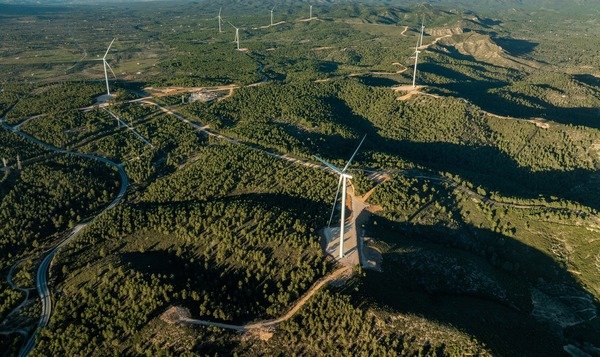
PepsiCo, in collaboration with Givaudan, Smurfit WestRock, and Statkraft, has established a significant 10-year renewable energy agreement aimed at decarbonizing their value chains in Europe. This pact revolves around a Virtual Power Purchase Agreement (VPPA) associated with a repowered wind asset located in Spain. It is anticipated that this agreement will lead to an annual reduction of approximately 32,000 metric tons of CO₂ emissions.
The agreement is facilitated through PepsiCo’s pep+ REnew programme, which consolidates energy demands among its partners. This collaborative approach enables participants to gain access to long-term renewable electricity effectively. Notably, this marks the second cohort of VPPA signed under the pep+ REnew programme and the inaugural initiative within Europe, with PepsiCo serving as the lead buyer. The collaboration includes prominent suppliers like Givaudan and Smurfit WestRock, all of which are pushing to lower their carbon footprints.
Enhanced turbine technology is a critical component of this project, as it aims to elevate energy output while minimizing environmental impacts. This technology also emphasizes the importance of reusing existing infrastructure, which is vital for sustainable development.
Importantly, this agreement reflects a broader trend of increased collaboration across supply chains to achieve net-zero goals. By working together, these companies can scale renewable energy adoption more efficiently and effectively address Scope 3 emissions—those indirectly associated with their operations.
The proactive steps taken by these organizations underscore their commitment to sustainable practices and highlight the essential role of renewable energy in achieving environmental objectives. The partnership not only emphasizes the commitment of major corporations to reduce their ecological footprints but also serves as a model for future initiatives aiming to leverage renewable resources in tackling climate change.
In conclusion, this VPPA is more than just a contractual agreement; it symbolizes a significant shift toward collective environmental responsibility among large corporations in Europe. As industry leaders embrace renewable energy solutions, the impact on carbon reduction could catalyze a wider movement towards sustainability across various sectors.
The content above is a summary. For more details, see the source article.









