


Key Takeaways
- The House passed the 2026 farm bill, setting the stage for complex negotiations in the Senate.
- Concerns arise over pesticide labeling, SNAP cost shifts, and California’s Proposition 12 as Senate debates loom.
- Pseudorabies has been detected in swine herds in Iowa and Texas, but poses no immediate threat to consumer health or the pork supply.
House Passes Farm Bill, Senate Prepares for Negotiations
The recent passage of the 2026 farm bill by the House has shifted focus to the Senate, where lawmakers must navigate obstacles to secure enough Democratic votes to clear the 60-vote filibuster. The House’s vote, which concluded at 224-200, signals upcoming debates in the Senate regarding issues such as Supplemental Nutrition Assistance Program (SNAP) cost shifts and farm country needs. Senate Ag Committee Democrats emphasized their commitment to fair treatment for all states regarding these matters.
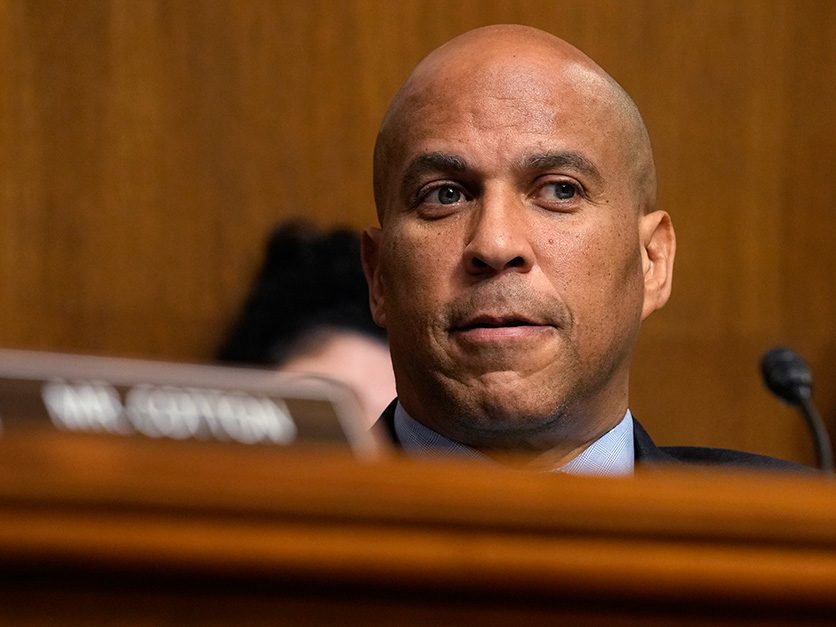
Senate Ag Committee Chair John Boozman (R-Ark.) firmly stated his intention not to revisit the pesticide labeling debate, which was recently stripped from the bill by House lawmakers. Senator Cory Booker (D-N.J.) highlighted an ongoing movement against pesticides in food, promising similar struggles in the Senate.
Challenges also mount concerning California’s Proposition 12, aimed at improving animal welfare. Boozman expressed difficulties in securing Democratic support for any provisions related to this proposition. House Agriculture Committee Chair Glenn “GT” Thompson (R-Pa.) is determined to incorporate this language into the final reconciled bill, setting the stage for potential conflicts between the chambers.
As the farm bill moves from the House Agriculture Committee, Thompson indicated that the focus would now shift to enhancing the agricultural workforce. He plans to introduce a draft bill addressing workforce needs and food security, optimistic about bipartisan support.
In other news, President Donald Trump announced plans to lift tariffs on Scotch whisky following a request from King Charles III during the royal visit to the U.S. This decision aims to foster stronger ties between the U.S. and the U.K. and is anticipated to benefit American hospitality sectors significantly.
However, the agricultural sector faces a concern with the discovery of pseudorabies in commercial swine herds in Iowa and Texas, a disease not reported in over two decades. The USDA has noted that while there may be some effects on swine exports, consumer health remains unaffected.
On the trade front, the European Union has been placed on a U.S. Trade Representative watch list for insufficient protection of intellectual property, particularly concerning geographical indications, potentially impacting American producers in various sectors.
Meanwhile, a merger proposal between Union Pacific and Norfolk Southern could revolutionize freight transportation, potentially saving shippers $3.5 billion a year and generating about 1,200 new union jobs. This groundbreaking merger would create the first transcontinental railroad under a single company, with an emphasis on using concrete data to assess its impact.
The organic industry is pushing back against potential rollbacks of animal welfare standards within the USDA’s National Organic Program. Leading organizations have expressed concerns that loosening these regulations could erode consumer trust in organic products, highlighting the need to maintain stringent welfare standards.
In final remarks, Ted McKinney, CEO of the National Association of State Departments of Agriculture, noted that the recent funding initiatives address only a fraction of the needed policies, indicating a demand for more comprehensive reform.
The content above is a summary. For more details, see the source article.









