


Key Takeaways
- David Protein faces a legal challenge from food companies alleging anticompetitive practices after acquiring Epogee, the sole producer of the fat substitute EPG.
- Plaintiffs, who claim that David has created a monopoly in high-calorie protein bars, argue they cannot compete without access to EPG.
- David counters that the plaintiffs lack standing and that EPG’s patented status means it is not obligated to sell to competitors.
Legal Actions Intensify Over EPG Access
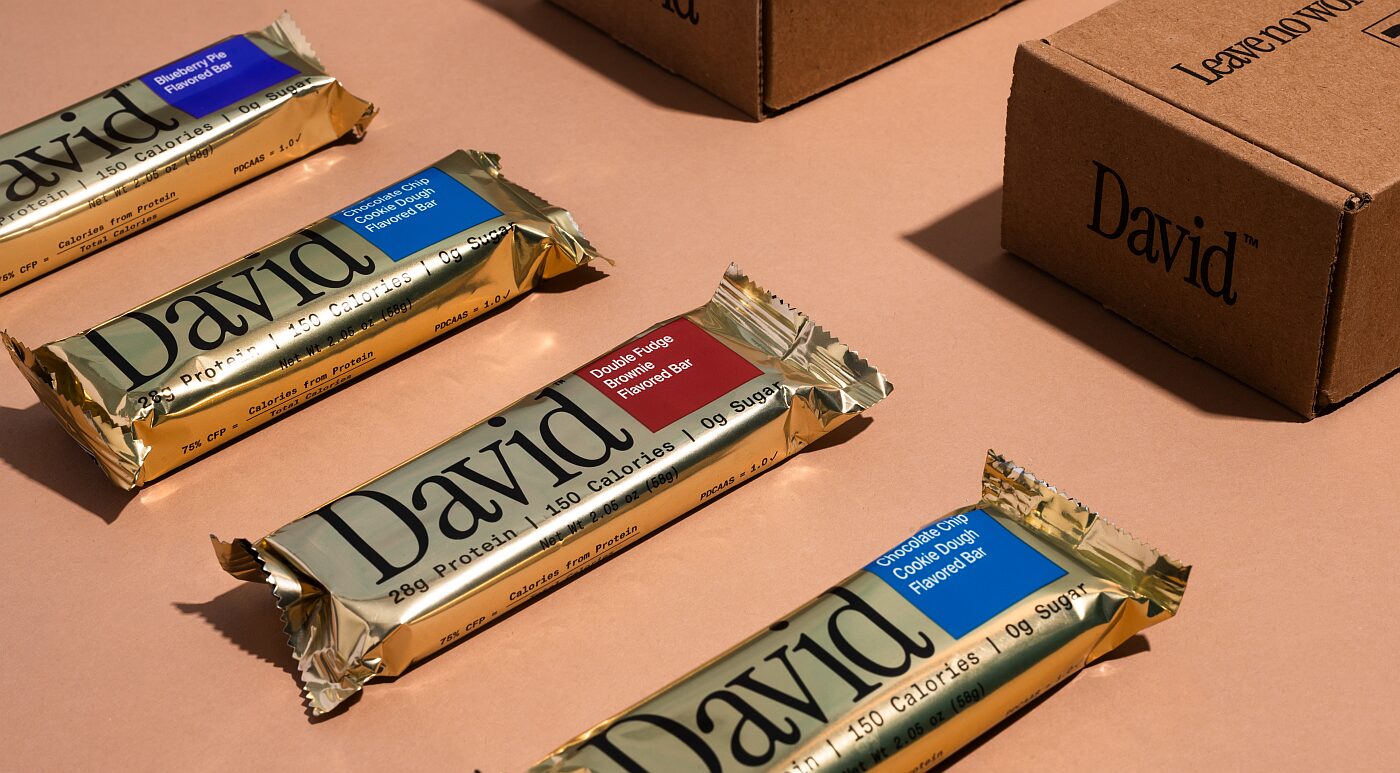
The legal dispute surrounding David Protein and the fat substitute EPG has become more complex this week, as a trio of food companies seeks to challenge David’s competitive practices in court. They claim that after David acquired Epogee, the sole manufacturer of EPG, it restricted access to this crucial ingredient, putting other companies at a disadvantage.
The lawsuit is emblematic of the stakes involved in securing specialized ingredients, vital for startups and new product categories. The acquisition of EPG by David Protein last May was seen as essential for its rapid expansion, particularly since EPG is a key ingredient in its protein bars. However, this move led to the cessation of supplies for other customers, resulting in the lawsuit claiming that David is creating an artificial monopoly by excluding competitors.
To strengthen their case, several former customers of Epogee provided sworn statements detailing the negative impacts of losing access to EPG. They argue that without it, formulating high-calorie protein bars (CFP) would be severely restricted. According to the plaintiffs, the relevant market for this antitrust case is defined as high-CFP protein bars, which obtain 50-75% of calories from protein. Given that EPG provides only 0.7 calories per gram, competitors without access would struggle to exceed a protein concentration of 47%.
Judicial support has so far favored David Protein, with U.S. District Judge Victor Marrero allowing the plaintiffs to amend their complaint to address gaps in how they defined the market. In response, the latest complaint asserts that no protein bar can match high-CFP standards without EPG, positioning David Protein as holding a 100% market share in this segment.
In its defense, David Protein labeled the complaint as “an exercise in semantic gamesmanship,” asserting that consumers do not distinguish between EPG-based and standard protein bars. They emphasized that no specific aisle or classification exists in stores for high-CFP bars, arguing that the plaintiffs are not direct competitors in this niche and thus lack the standing to pursue an antitrust case.
David Protein also highlighted that their pricing strategy has remained unchanged since the product launch, further suggesting that their practices do not harm competition. They noted that EPG is a patented ingredient, and as such, patent holders are not required to sell to competitors.
The plaintiffs—OWN Your Hunger, Lighten Up Foods, and Defiant Foods—continue to argue that David Protein’s acquisition of Epogee was designed to eliminate emerging rivals in the CFP protein bar market. They allege that David’s monopoly isn’t a result of superior products or business savvy but is inherently linked to controlling the exclusive supplier of EPG and denying downstream competitors access to it.
As the legal proceedings continue, the implications of this case may extend beyond immediate competitive concerns, potentially reshaping the landscape for protein bars and other food products reliant on specialized ingredients.
The content above is a summary. For more details, see the source article.









