


Key Takeaways
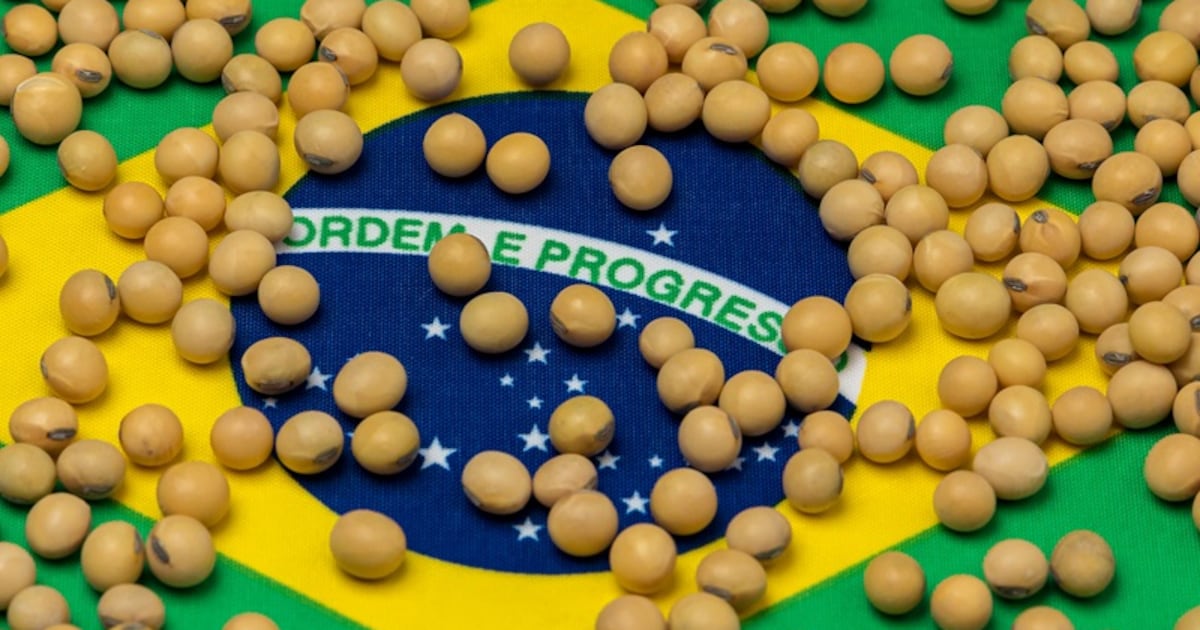
- Brazil is set to produce a record 6.5 billion bushels of soybeans for the 2025-26 season, a 4% increase from the previous year.
- Geopolitical tensions, including the war involving Iran, are affecting Brazil’s fertilizer supply, which relies on imports for 85% of its needs.
- The upcoming presidential election may influence agricultural policy, with candidates focusing on trade and environmental regulations.
Geopolitical Challenges and Agricultural Growth
Brazil’s agricultural industry faces significant challenges in 2026, driven by geopolitical tensions, changing market demands, and an imminent presidential election that will influence policies into the next decade. As a leading producer of soybeans, corn, and animal protein, Brazil is on track to achieve a historic soybean harvest of 6.5 billion bushels for the 2025-26 season, marking a 4% increase from last year, according to Brazil’s National Supply Company (Conab).
To facilitate this growth, Brazil has expanded market access for its agricultural products, notably through the EU-Mercosur deal, effective from May 1. Increased trade with China has further solidified Brazil’s position, making it the top destination for Brazilian soybeans.
However, geopolitical situations pose challenges. The ongoing conflict between the U.S. and Israel with Iran has led to significant disruptions in the Strait of Hormuz, essential for fertilizer exports. With 85% of Brazil’s fertilizers imported, local farmers are expected to cut back on applications, which could negatively affect crop yields.
The political landscape is also changing, with the 80-year-old current President Luiz Inácio Lula da Silva facing Flávio Bolsonaro in a closely contested election. A recent AtlasIntel/Bloomberg survey indicates tight margins, with Silva at 47.8% and Bolsonaro at 47.5%. Bolsonaro aims to streamline agricultural planning and halt new indigenous land demarcations in Mato Grosso, while Lula has pledged to achieve zero deforestation through local investments.
These pressing topics will be featured at the World Agri-Tech Innovation Summit scheduled for June 23-24 in São Paulo. The summit will gather stakeholders, government officials, investors, and startups to explore the future of Brazilian agriculture.
Discussions will center on trade opportunities stemming from the EU-Mercosur agreement and infrastructure challenges. A panel moderated by Ryan Daily will include representatives from Cargill and RUMO, focusing on the implications of this trade agreement. Further, Daily will lead a session on the impacts of the election and geopolitical developments on Brazil’s agricultural landscape.
Brazil is also embracing technological innovations to enhance agricultural outcomes. The biologicals market, worth over $1 billion, is poised for growth, with experts discussing its potential. Additionally, AI technologies will feature prominently in agenda panels, focusing on optimizing productivity and profitability at farms of all sizes. Notable sessions include case studies from Google and The Yield Lab showcasing AI’s applications in agriculture.
The upcoming election and the shifting global landscape will undoubtedly shape Brazil’s agricultural policies and practices in the near future.
The content above is a summary. For more details, see the source article.









