


Key Takeaways
- U.S. forces intercepted the Iranian-flagged oil tanker M/T Hasna for violating a blockade.
- Action was taken after the crew failed to heed multiple warnings, resulting in the tanker’s rudder being disabled.
- Project Freedom, aimed at protecting commercial vessels in the region, has been temporarily paused as U.S. and Iran negotiate terms to end hostilities.
Intercepting the Hasna
U.S. military forces have acted to intercept the M/T Hasna, an Iranian-flagged oil tanker, while it was en route to an Iranian port. This action was part of ongoing enforcement of a blockade imposed by the U.S. Navy in the Strait of Hormuz, which commenced on April 12 following an announcement by President Donald Trump. The blockade was designed to prevent vessels from entering or exiting Iranian ports.
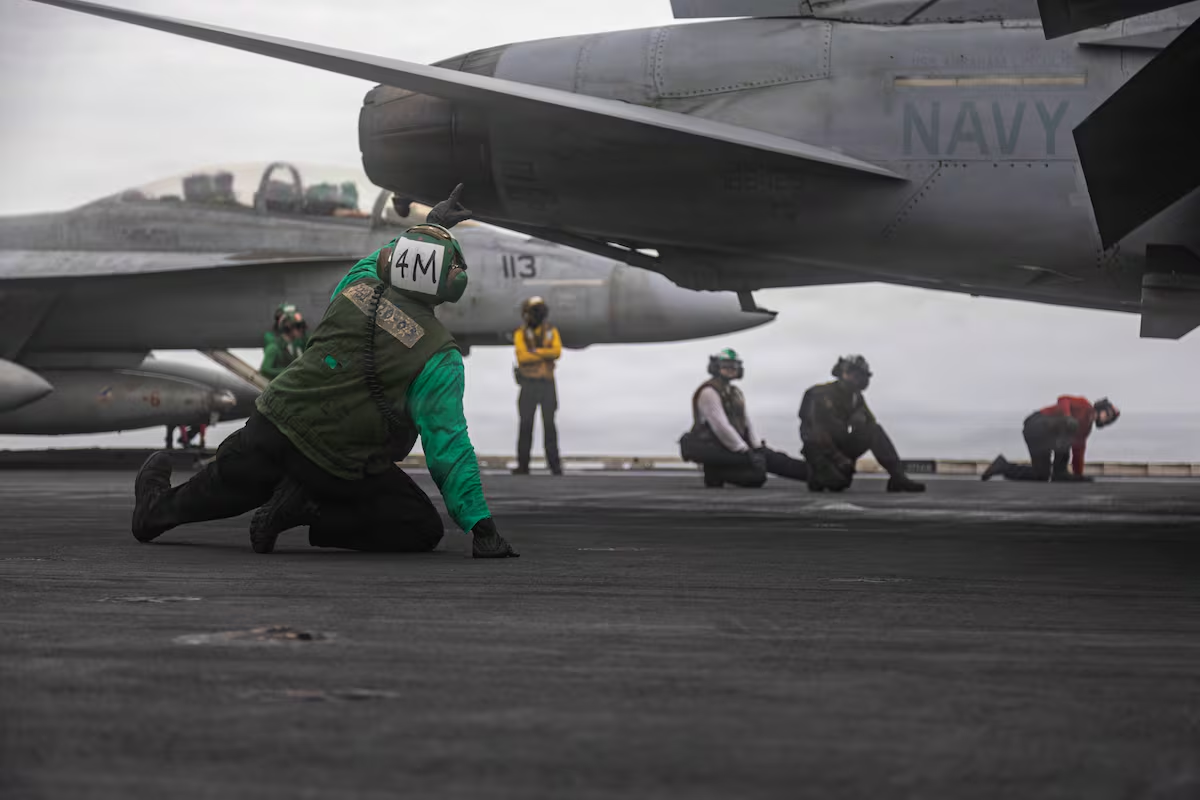
As the M/T Hasna navigated toward the Gulf of Oman, U.S. Central Command monitored the vessel and issued several warnings. When the crew failed to comply, U.S. forces responded by disabling the tanker’s rudder. This was executed using rounds fired from the 20mm cannon of an F/A-18 Super Hornet, launched from the aircraft carrier USS Abraham Lincoln (CVN 72).
Project Freedom and Ceasefire
Amid rising tensions, U.S. Central Command had begun supporting Project Freedom, a military initiative focused on protecting commercial shipping in the Strait of Hormuz. Earlier in the week, the U.S. had destroyed six Iranian small boats and neutralized cruise missiles and drones launched by the Islamic Revolutionary Guard Corps against ships protected by U.S. forces.
Despite these military actions, including the recent interception of the tanker, the ceasefire established earlier remains intact. General Dan Caine, the Chairman of the Joint Chiefs of Staff, confirmed this during a press briefing in Washington. However, the newly instituted Project Freedom has been put on hold. President Trump announced a temporary pause on Truth Social, citing ongoing negotiations with Iran.
Ongoing Negotiations
As of now, reports suggest that the U.S. and Iran are engaged in discussions aimed at drafting a memorandum that would contribute to ending the conflict. This development occurs amidst a notable military presence in the region, including an armada of Navy warships, Army attack helicopters, Air Force fighter jets, and approximately 15,000 service members deployed to ensure security in the Strait of Hormuz.
The situation remains dynamic, with the potential for further military engagement or diplomatic resolutions as both nations navigate their complex relationship.
The content above is a summary. For more details, see the source article.









