


Key Takeaways
- Healthcare is shifting focus from treating diseases to preventive care and continuous monitoring.
- Panelists at GITEX Future Health Africa 2026 emphasized integrating technology with practical training for healthcare workers.
- The aim is to build adaptable systems that prioritize patient journeys and real-world healthcare challenges.
Transforming Healthcare: A New Preventive Approach
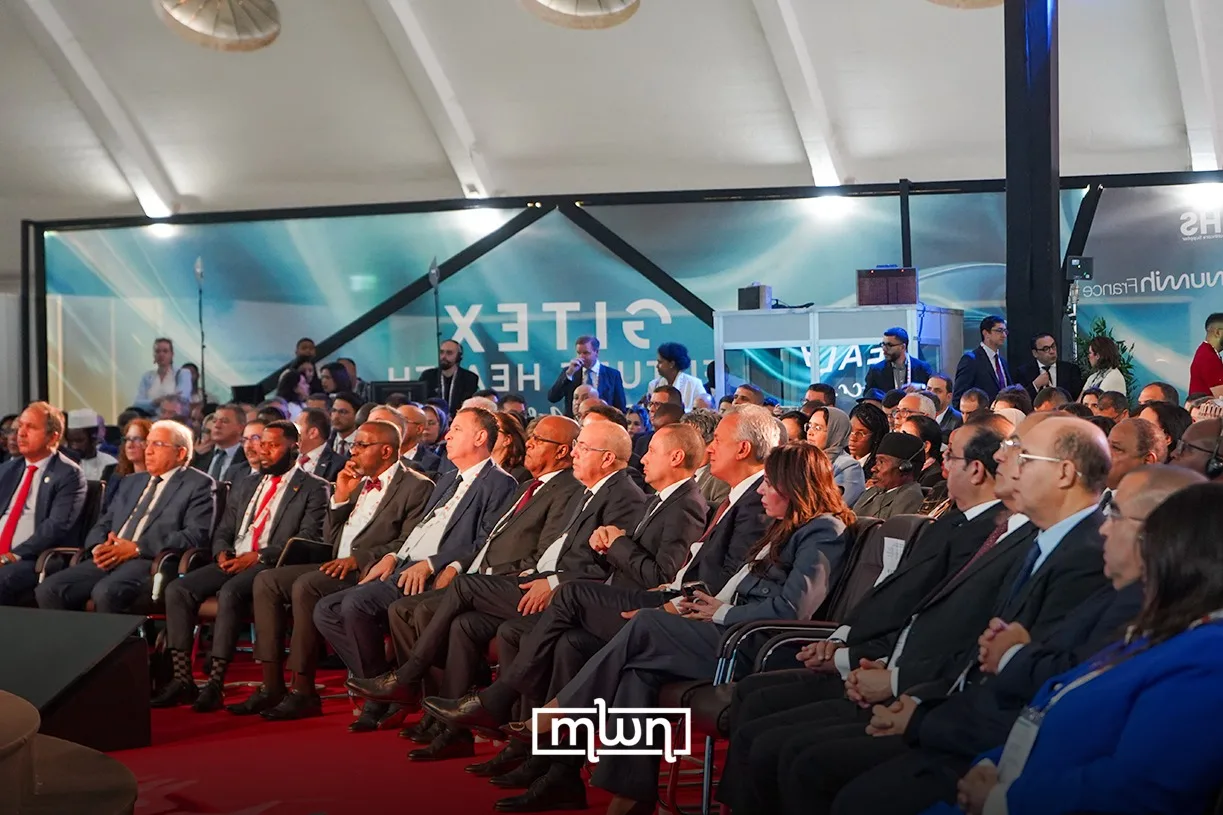
In 2026, healthcare is evolving from a reactive model, focusing on treating diseases after they appear, to a proactive approach that emphasizes prevention and ongoing monitoring. This shift was a central topic during a panel discussion titled “Redefining Health in Africa: Prevention, Proximity & System-Wide Resilience” at GITEX Future Health Africa 2026.
Panelists elaborated on the importance of anticipating health risks early and being able to adapt treatment as patient conditions change. They noted that care must transition towards a continuous and integrated model, which is particularly crucial in fields like oncology, where a single treatment may not suffice due to the disease’s potential recurrence.
New methodologies, such as liquid biopsies, have emerged that allow for real-time tracking of a disease’s progression through non-invasive tests, like blood samples. This innovation highlights the importance of not just preventing illness but also maintaining a proactive approach that anticipates medical needs over time.
However, experts stressed that technology alone cannot drive this transformation. Solutions must address the realities faced by healthcare providers in various environments. Current AI tools often cater to specialists, which can limit their accessibility where trained professionals are not available. Moreover, the effectiveness of technologies like diagnostic imaging relies heavily on the presence of qualified staff.
To bridge this gap, the panelists advocated for prioritizing education and training for healthcare professionals before introducing advanced technologies. By equipping workers with the necessary skills, healthcare systems can create solutions that genuinely enhance patient care, ensuring they align with on-the-ground realities.
In conclusion, the panel discussion underscored that the transformation of healthcare hinges on practical, adaptable systems that center on the experiences of both healthcare providers and patients. The focus is on developing a healthcare model that integrates prevention and continuous care while considering the limitations and needs of the existing workforce.
The content above is a summary. For more details, see the source article.









