


Key Takeaways
- Turbine engines, once seen as a revolutionary automotive technology, have never achieved mass production due to performance and operational challenges.
- Chrysler was the most persistent automaker, developing several turbine models, including the Chrysler Turbine Car, but ultimately abandoned the project.
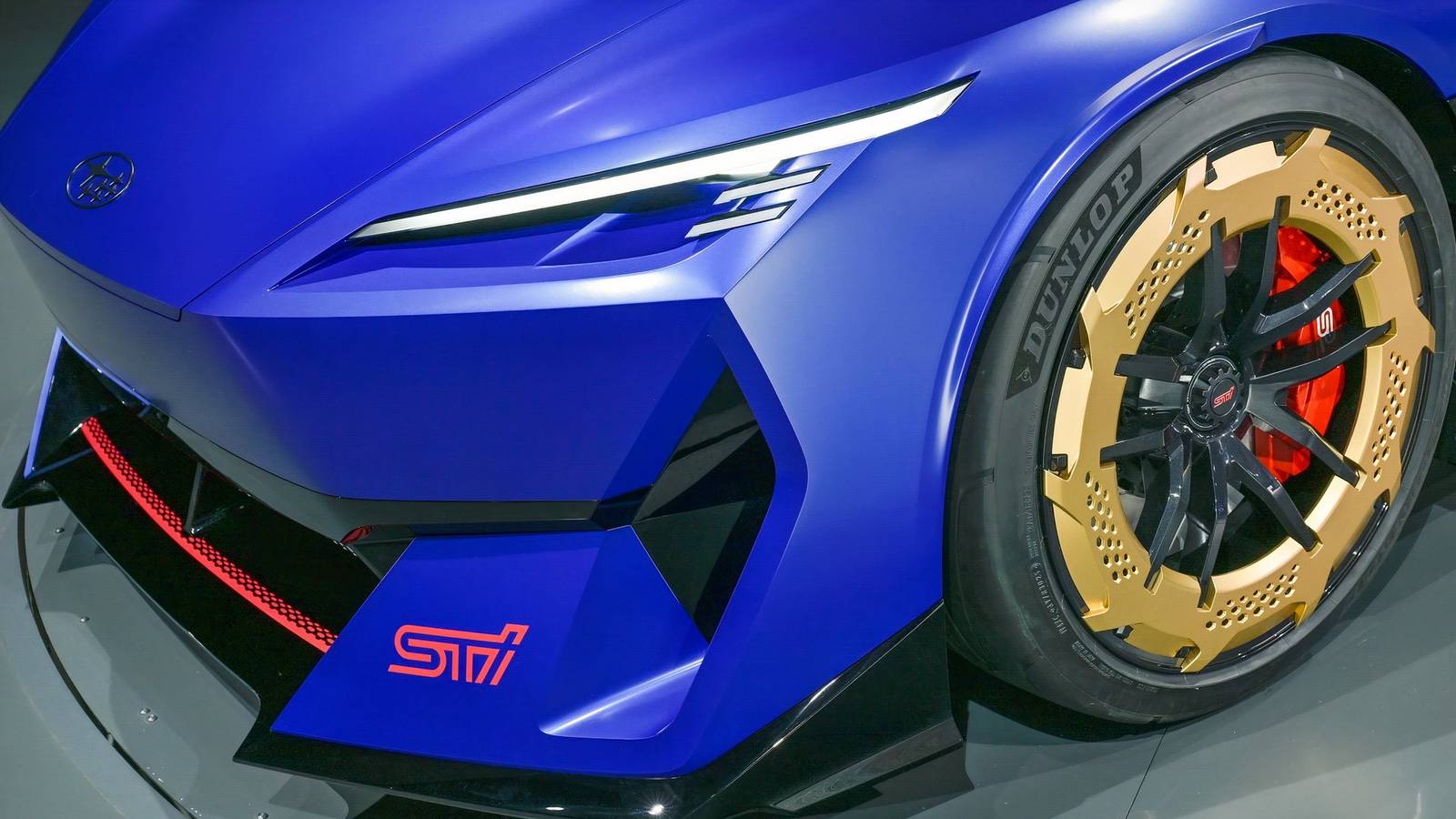
- Subaru is exploring turbine technology for modern applications, potentially as a range extender for electric vehicles, with recent patent filings indicating new design ideas.
Challenges of Turbine Engines in Automotive Use
Historically, turbine engines have been mostly confined to the aviation industry, and their application in automobiles has faced significant hurdles. Despite initial optimism during the Jet Age, issues such as poor acceleration, complicated startup processes, and the inability to use leaded fuel have hindered their commercial viability. Although they produce fewer pollutants overall, turbine engines generate high nitrogen oxide emissions, which raised environmental concerns.
The Chrysler Turbine Car, developed in the 1960s, serves as a critical example of turbine engine experimentation in automobiles. It featured an A-831 turbine engine, producing 130 horsepower but faced limitations in performance and practicality. The startup process for this vehicle involved eight steps, proving cumbersome compared to traditional vehicles.
A lack of compatibility with widely available fuels also complicated efforts toward turbine engine development. With leaded fuel being common until recently, manufacturers like Chrysler struggled with the feasibility of turbine engines in everyday cars. However, advancements in fuel options may open up new avenues for this technology.
Subaru’s Recent Patent Activity
In contemporary developments, Subaru has filed patents for turbine engine designs that aim to address historical issues. These concepts include an improved startup process and mechanisms to restart the turbine post-power loss using vehicle batteries. Although there is no current plan for production, Subaru’s interest may represent a modern adaptation of turbine technology, particularly as a range extender for electric vehicles.
Chrysler’s Prototypes and Legacy
Chrysler explored turbine engines through various prototypes, beginning with the CR1 in the 1950s. The company’s most recognized model, the Chrysler Turbine Car, was designed from scratch with the help of the Ghia design studio. Despite its innovative design, the Turbine Car, along with its prototypes, never achieved commercial release. Chrysler continued to refine turbines through multiple iterations, but ultimately ceased production efforts by the late 1970s.
General Motors’ Firebird Series
General Motors also ventured into turbine engine prototypes with the Firebird series, designed between the 1950s and early 1960s. The first model, the Firebird I, boasted a futuristic aesthetic while utilizing a 370-horsepower Whirlfire Turbo engine. Subsequent models in the series introduced refined efficiency and advanced features, although none were produced for sale.
Despite their innovative features, both the Chrysler and GM turbine projects highlight the challenges that have kept turbine engines from mainstream automotive use. The interest seen today, particularly from companies like Subaru, indicates ongoing curiosity and potential for the technology in future vehicles.
The content above is a summary. For more details, see the source article.









