


Key Takeaways
- Firefly Aerospace’s shares rose over 22%, nearing its $45 IPO price, following a strong first-quarter revenue report.
- The U.S. Space Force awarded 20 contracts that include Firefly’s defense software arm, highlighting its role in national security.
- Challenges remain, including a $96.7 million net loss and a significant accumulated deficit, raising concerns about potential risks.
Company Performance and Market Position
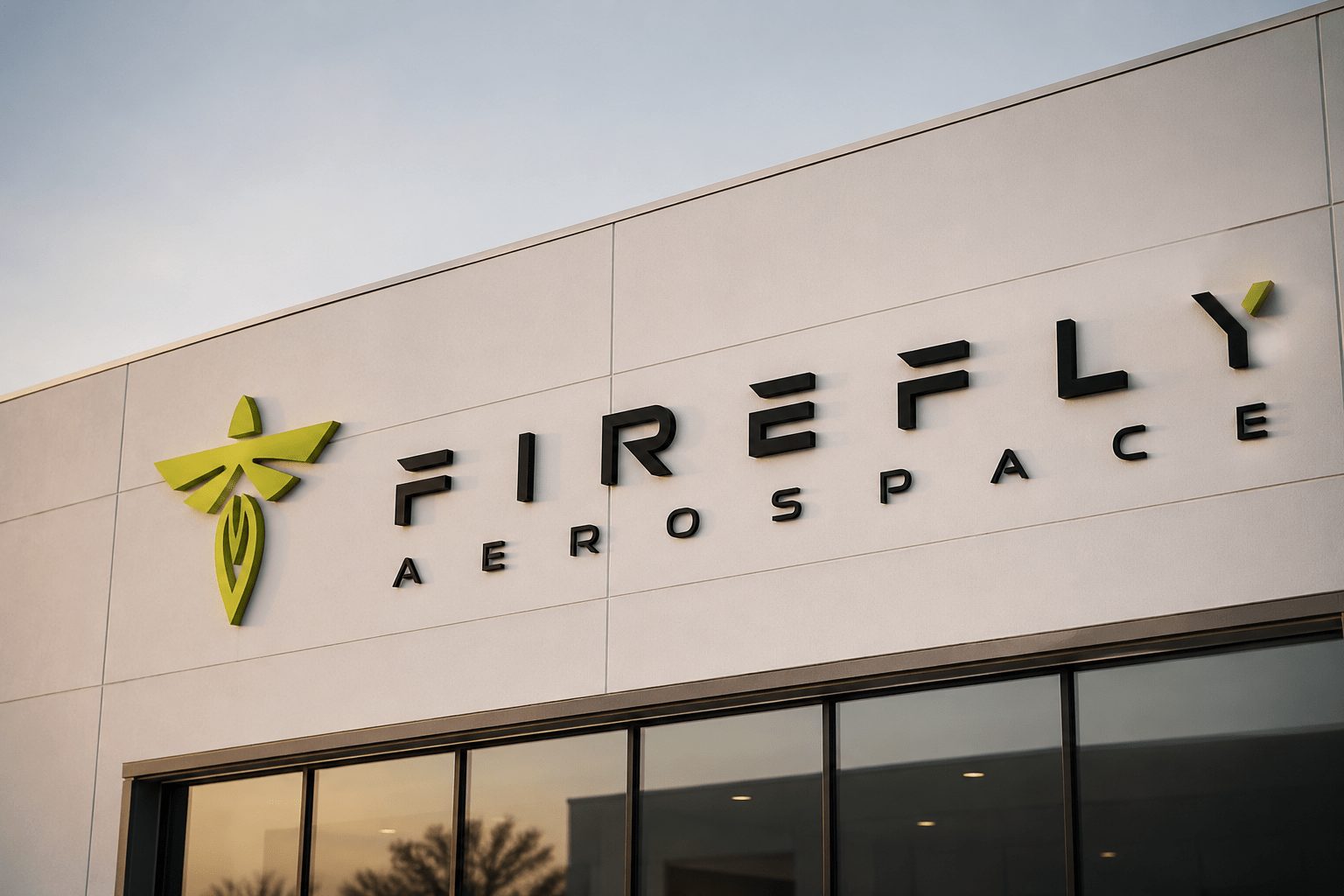
Firefly Aerospace Inc., based in Cedar Park, Texas, experienced a significant rise in its stock price, climbing over 22% to reach approximately $39.68. This surge brings the company’s shares close to its $45 IPO mark from August 2025, just shy of a year after its Nasdaq debut. The increase is noteworthy for a publicly listed U.S. space company that combines elements of lunar exploration and national security.
For the first quarter, Firefly reported $80.9 million in revenue, marking a 40% increase from the previous quarter. However, the company also faced a net loss of $96.7 million. Despite these challenges, Firefly maintained its 2026 revenue outlook between $420 million and $450 million. CEO Jason Kim highlighted the steady progress the company has made in various initiatives, including the Alpha Flight 7 and Blue Ghost lunar programs and a demonstration for the U.S. Space Force.
Analysts have reacted positively to these results. J.P. Morgan’s Seth Seifman reiterated a “Buy” rating with a $40 price target, while B. Riley began coverage with a “Buy” rating and a target of $60.
Contracts and Defense Focus
The U.S. Space Force has announced 20 Other Transaction Authority agreements worth a potential total of $3.2 billion, which include Firefly’s defense software arm, SciTec. This contract will enable SciTec to implement its AI-powered defense technologies within the Golden Dome missile defense framework. SciTec brings over 40 years of expertise in missile defense and national security software, positioning Firefly as a more integrated player beyond just launch services.
Morgan Stanley has also raised Firefly’s price target to $37 while maintaining an Equal Weight rating. Analysts view Firefly’s potential as extending beyond merely launches, citing recent adjustments in NASA’s Artemis program and early developments on Golden Dome as positive indicators. Nonetheless, they caution that technical risks remain.
Competitive Landscape and Financial Risks
The competition in the space industry is fierce, with companies like Rocket Lab reporting $200.3 million in revenue and a backlog exceeding $2.2 billion. While Firefly operates on a smaller scale, investors are keenly watching how the company’s mix of launch services, spacecraft, and defense contracts could provide more reliable revenue streams.
Despite the recent stock rally, Firefly grapples with financial challenges. As of March 31, it had $551.6 million in cash and short-term investments, but an accumulated deficit of $1.1 billion raises concerns. Delays in government budgets or potential program overhauls may impact future orders and cash flows. Firefly’s stock continues to trade below its initial IPO price, underscoring the uncertain outlook amid a complex interplay of launch rates, lunar initiatives, and defense projects.
The content above is a summary. For more details, see the source article.









