


Key Takeaways
- The FCC is reviewing a potential ban on Chinese-manufactured “cellular modules” due to national security concerns.
- Chinese cellular modules are critical for a wide range of electronics, from IoT devices to cars.
- A ban would likely disrupt the supply chain, causing increased costs for consumers as manufacturers seek alternative sources.
Review of Potential FCC Ban on Chinese Cellular Modules
The Federal Communications Commission (FCC) is considering a ban on “cellular modules” produced in China, which are essential components for various electronic devices that send and receive mobile communications. This potential action follows previous restrictions targeting Chinese-made electronics, reflecting escalating concerns regarding national security.
Cellular modules play a critical role in devices connected to mobile networks, including Internet of Things (IoT) gadgets, medical equipment, automotive technologies, and industrial control systems. With the global market for these modules largely dominated by Chinese companies like Quectel, Fibocom, and China Mobile, a ban could severely impact both manufacturers and consumers.
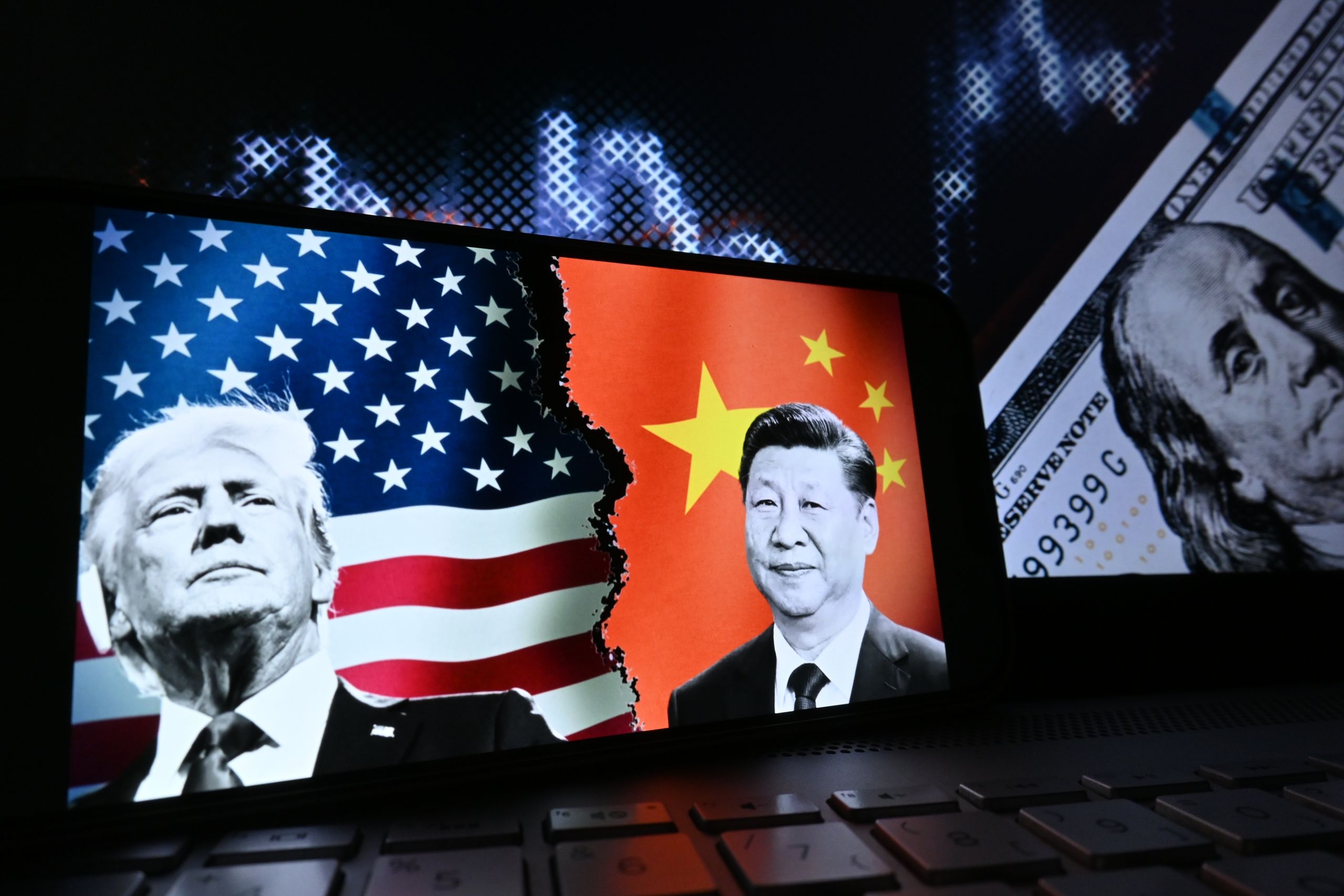
The timing of this potential ban coincides with an important meeting between U.S. President Donald Trump and Chinese President Xi Jinping, where discussions on trade and sanctions are anticipated. The Trump administration has increasingly viewed Chinese electronics as security threats, prompting a series of bans that could now extend beyond government contractors and federal agencies to the general market.
Industry experts, such as Charles Parton from the Royal United Services Institute, indicate that up to 70% of the global cellular module market is under the control of a select few Chinese manufacturers. These modules require regular updates to maintain functionality and security. However, the FCC is wary that such updates could lead to the inadvertent installation of malware or surveillance tools.
Should the FCC implement the ban, the repercussions for the supply chain would be significant. Manufacturers would need to scramble to find alternative suppliers, many of whom may be unable to meet the sudden surge in demand. This could lead to price increases for cellular modules, which would, in turn, elevate the costs of various consumer goods.
The FCC’s deliberation highlights the ongoing tension between the U.S. and China over technology and security issues. As this situation unfolds, companies and consumers alike may feel the impact of any decisions made regarding these critical components in the electronics supply chain.
The content above is a summary. For more details, see the source article.









