


Key Takeaways
- Toyota is rolling out multiple EV models, including the bZ series and Highlander, in a calculated shift towards electric vehicles.
- The automaker’s long-term strategy emphasizes thorough planning and quality over rapid market entry.
- Collaboration with Subaru boosts sales potential for Toyota’s EVs in the U.S., despite past challenges in the EV market.
Toyota’s EV Strategy Explained
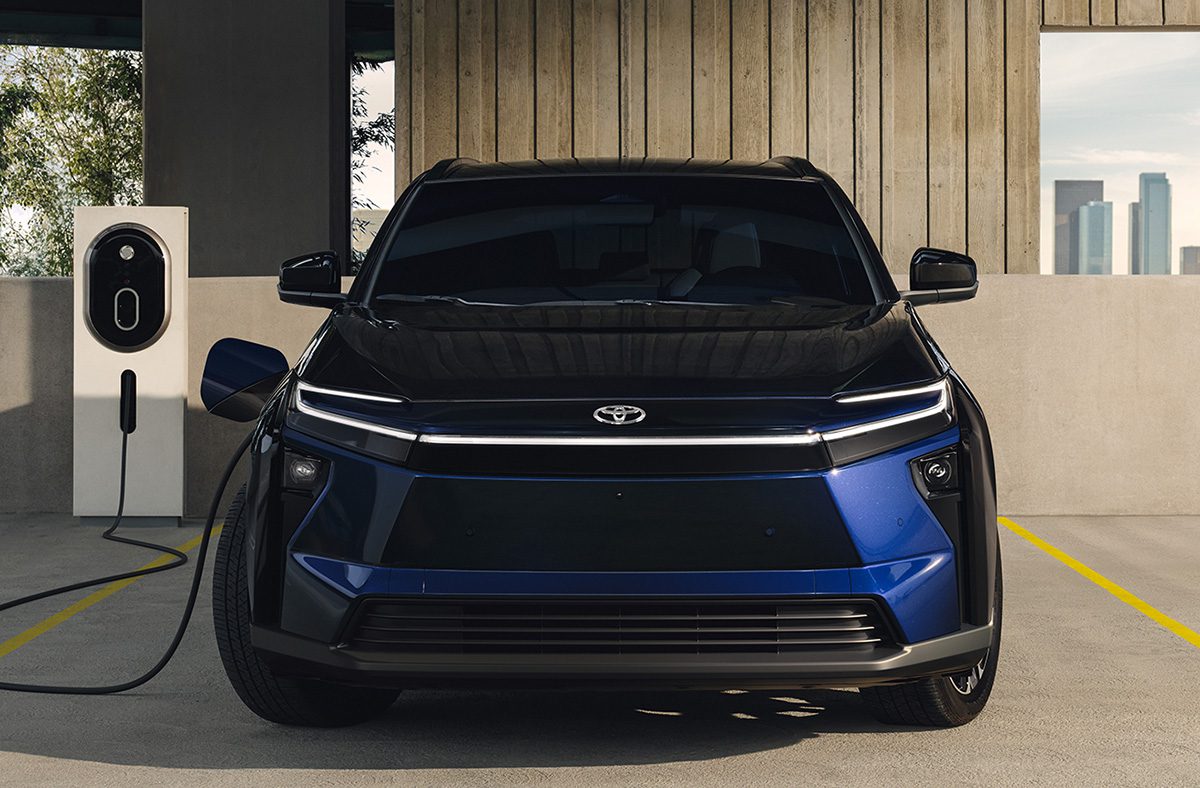
Amid growing questions regarding its new electric vehicle (EV) lineup, Toyota is poised to launch several models, including the bZ series, as part of its commitment to transitioning into the EV market. Critics have raised concerns about this timing, especially considering the recent easing of emissions penalties and mandates. However, there are multiple factors driving Toyota’s shift that are worth considering.
### A Strategic Commitment to EVs
After years of emphasizing hybrid technology, Toyota realized it must adapt to the changing market driven by competition from brands like Tesla. The company announced a significant investment of $35 billion in December 2021 to develop a diverse range of EVs. This move is a response to the undeniable demand for appealing and high-performance electric vehicles. Although the company’s transition is gradual, Toyota aims to roll out 30 different battery-electric models by 2030.
The Highlander EV will be built in Kentucky, with batteries sourced from a new North Carolina plant, a $13.9 billion investment that supports both EVs and hybrids. This ensures Toyota maximizes its investment while hedging its bets on various vehicle types.
### Long-Term Vision
Toyota is known for its meticulous planning and execution. Analysts highlight that the company usually arrives late to new technology markets, taking a more considered approach. Historical examples show that it took over a decade for Toyota to break even on hybrid technology, but in doing so, the brand solidified its leading global position in hybrids.
Learning from past experiences, Toyota’s first EV in the U.S., the bZ4X, faced initial setbacks, but improvements were made based on customer feedback. Continuous enhancement, also known as kaizen, remains central to its approach. The company is wary of rivals like Hyundai, which rapidly innovate and iterate their EV offerings.
### Collaborating for Stronger Market Presence
Toyota has reintroduced “badge engineering” through its partnership with Subaru, which licenses Toyota’s electric vehicles for its own lineup. The shared development of the bZ4X and Subaru Solterra has proving effective, with Toyota selling 45,000 bZ4X units over three years and Subaru adding an extra 32,000 sales. This collaboration allows both brands to achieve higher volumes and distribute costs more efficiently.
Subaru is particularly well-positioned for EV adoption among consumers in the U.S., appealing to environmentally conscious buyers. Toyota’s significant stake in Subaru strengthens this collaborative advantage.
### Beyond Regulation: Consumer Demand
While some auto executives initially viewed EVs strictly as compliance vehicles, consumer attitudes have shifted. Many buyers now find that EVs provide superior driving experiences and lower operational costs. As more individuals transition to electric vehicles, the perception of EVs as merely regulatory necessities is evolving into recognition of their value.
Current sales statistics show an ebb in short-term demand but do not indicate a lack of interest in EVs overall. Analysts note that the decline in sales during early 2026 was anticipated, as many purchases were pulled forward prior to the elimination of incentives. As less expensive EV models are expected to launch soon, interest from consumers is likely to rise.
### Forward-Looking Approach
The array of new EVs from Toyota signifies a pivotal move towards embracing electric transportation. As the automotive landscape continues to evolve, it’s evident that electric vehicles are no longer a passing trend; rather, they are an integral part of the future. With thoughtful investments and collaborations, Toyota aims to navigate this transition successfully while acknowledging the competitive landscape.
The content above is a summary. For more details, see the source article.









