


Key Takeaways
- Lawmakers are proposing $15-$20 billion in farm aid, but there is ongoing debate about the timing and distribution of these funds.
- The Commerce Department recommends tariffs on Canadian mushroom imports due to subsidies benefiting Canadian producers.
- A poll reveals that 39% of farmers are uncertain about their voting intentions ahead of the midterm elections, citing rising input costs and a lack of understanding from elected officials.
Farm Aid Discussions Continue Amid Ongoing Trade Issues
Leaders from the House and Senate Agricultural Committees, along with GOP leadership, are jointly initiating proposals for a farm aid package between $15 and $20 billion. Despite the urgency, specifics about the distribution and timing of these funds remain under discussion. House Agriculture Committee member Austin Scott (R-Ga.) expressed optimism about securing another bridge payment but acknowledged a significant debate over whether payments should be made immediately or deferred until the end of the crop year to assess actual commodity losses.
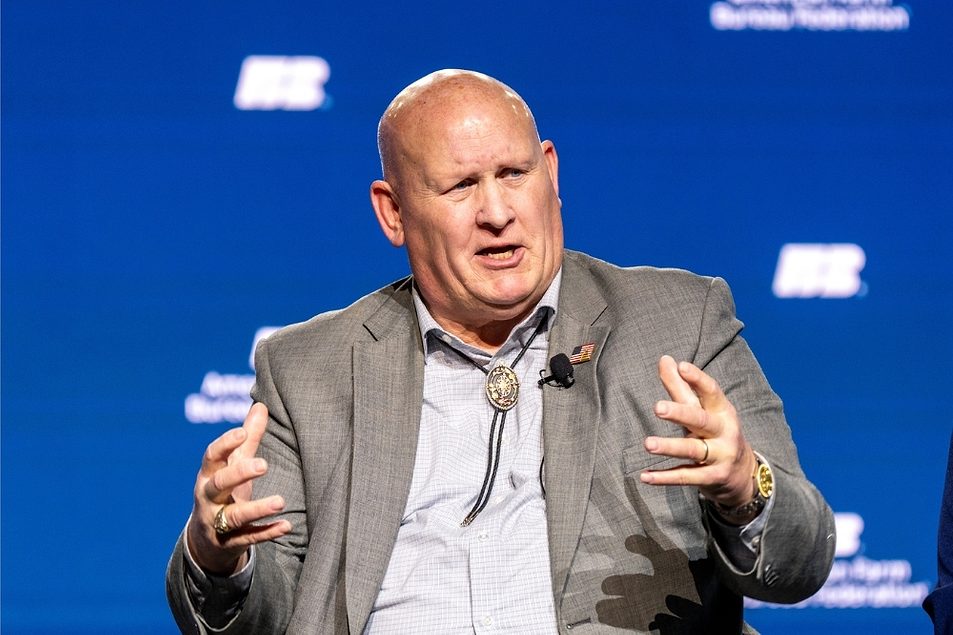
Scott emphasized the need for constructive dialogue, promising adherence to equitable solutions that consider the needs of various agricultural producers, including specialty crop growers. Concurrently, House Ag Committee Chair Glenn “GT” Thompson stated that he is in consultations with industry stakeholders to understand how assistance could be optimally structured.
In relation to potential legislative vehicles for these funds, Scott indicated that if a supplemental spending bill addressing the ongoing conflict in Iran is passed prior to the elections, it could be a viable means to introduce the farm aid. However, the path forward is uncertain, as Republican senators have voiced skepticism that President Trump’s requests for significant financial support for the war will gain sufficient traction in the Senate.
House Budget Committee Chair Jodey Arrington (R-Texas) added that discussions around farm assistance have stalled until the completion of the farm bill, while addressing related budgetary priorities.
Tariffs Proposed on Canadian Mushroom Imports
The U.S. Commerce Department has proposed tariffs on Canadian mushroom imports, citing evidence that the Canadian mushroom industry is receiving unfair subsidies. The preliminary findings from the International Trade Administration suggest that these producers benefit from programs including preferential lending, tax breaks, and grants. Tariffs of nearly 3% are advised on all imports, with specific companies facing tailored rates.
A final ruling is anticipated in September, following these preliminary recommendations.
Future Beef Prices Under Analysis
In the realm of beef pricing, challenges persist as high prices continue to burden the current administration. Former USDA economist Richard Volpe warned that beef prices may rise further due to complications from the alfalfa crop in western states, a critical component of cattle feed. The warm weather has led to diminished snowpack, likely resulting in expensive feed and additional strain from rising transportation and labor costs. Volpe indicated a lack of imminent price relief and projected that price hikes could affect a range of California-grown commodities.
Concerns Over USDA Reorganization
A letter from 24 Senate Democrats raised alarms about the potential impacts of the USDA’s planned reorganization on its research capacity, which they fear could be diminished. The lawmakers, spearheaded by Senate Ag Committee Ranking Member Amy Klobuchar, are alarmed by prior reductions that saw agency staff significantly decline, jeopardizing the delivery of vital research and economic data.
Broad Political Uncertainty Among Farmers
As midterm elections approach, a recent poll indicates that nearly 40% of farmers are unsure of how they will vote. The survey, commissioned by Amato Advisors, found that while a majority still lean toward Republican candidates, many are open to alternative parties or may abstain from voting altogether. Respondents cited escalating input costs and concerns that elected officials are disconnected from the realities faced by farmers.
Ongoing Debate Over E15 Legislation
Legislative tensions regarding E15, a pro-ethanol bill, have persisted, particularly following its passage in the House. Senate Ag Chairman John Boozman revealed that the bill would require modifications to address concerns from the fossil fuel industry and small oil refiners. These refiners, already facing escalated costs, fear that the new mandates could further inflate gas prices.
The National Corn Growers Association has supported the bill, indicating potential benefits for farmers while acknowledging the complexity of these discussions.
Senate Agriculture Chairman Boozman succinctly described the situation as “complicated,” reflecting the split perspectives on the E15 legislation’s implications across various agricultural and energy sectors.
The content above is a summary. For more details, see the source article.









