


Key Takeaways
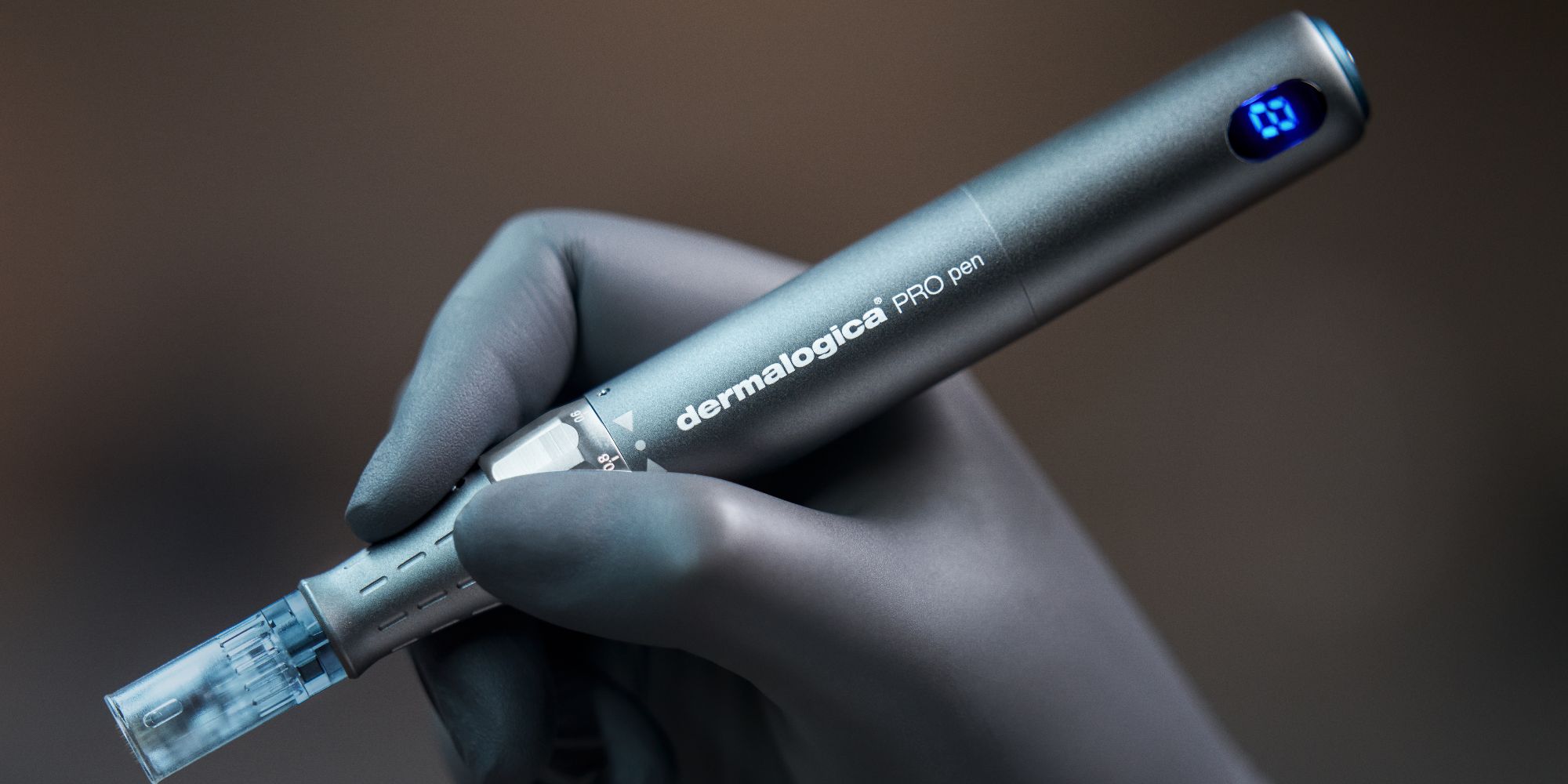
- Dermalogica launched its PRO Pen Microneedling System, the first FDA-cleared medical device from the brand.
- The microneedling market is projected to grow significantly, with Dermalogica prioritizing the professional channel over direct-to-consumer sales.
- CEO Aurelian Lis emphasizes the integration of skincare and aesthetics while maintaining a focus on long-term skin health.
Dermalogica’s New FDA-Cleared Device
Dermalogica has made a significant stride in professional skincare with the introduction of its PRO Pen Microneedling System, the brand’s first medical device approved by the United States Food and Drug Administration (FDA). This milestone marks Dermalogica’s deeper dive into advanced aesthetics, as the microneedling market is anticipated to expand at a compound annual growth rate of 10.9%, reaching $1.1 billion by 2030—outpacing the general beauty industry growth.
According to Aurelian Lis, CEO of Unilever-owned Dermalogica, the decision to seek FDA clearance was not about adopting a more medical image but ensuring that advanced treatments remain in qualified hands amidst a surge of competing devices. The PRO Pen is intended for licensed professionals and boasts dual functions: microneedling to stimulate collagen through controlled microinjuries and Luminfusion, an innovative treatment combining nanoneedling, active ingredients, and LED red light therapy. Dermalogica underscores minimal downtime and expert oversight as their competitive advantages in a crowded market.
Dermalogica is pivoting back to its professional roots, setting itself apart from many prestige brands that favor retail and direct-to-consumer strategies. Founded in 1986 by aesthetician Jane Wurwand, Dermalogica aims to educate skin therapists, training over 75,000 annually to maintain its status in the professional skincare sector. In the first quarter of this year, Unilever’s Beauty & Wellbeing division, which includes Dermalogica, saw a 3.6% increase in sales, driven by the success of brands like Dermalogica, Hourglass, and Tatcha.
Interestingly, about a third to half of Dermalogica’s business arises from the professional channel, with 40% of its products being exclusive to licensed professionals. Lis affirms that their focus is on “the professional channel as the engine of our past and future.” This perspective also highlights a broader trend in the industry, where aesthetic treatments such as microneedling, lasers, and injectables are becoming increasingly mainstream.
Recent studies indicate that engaged beauty consumers typically spend around $3,000 annually on products, services, and longevity treatments, with aesthetics accounting for two-thirds of that expenditure. Dermalogica identifies the merging of skincare and aesthetics as a pivotal opportunity. Competitors like Obagi Medical and L’Oréal Groupe are similarly embracing this holistic trend in skincare.
Lis emphasizes the need for personalized treatment plans, particularly noting the rise of GLP-1-related skin concerns. Clients are demanding practitioners who can evaluate overall skin health rather than just provide quick cosmetic fixes. He argues that the synergy between in-office treatments and at-home care leads to better outcomes and fosters long-lasting relationships between therapists and clients.
The PRO Pen’s FDA clearance serves as a reassurance for skin therapists and clients alike, especially as scrutiny surrounding aesthetic devices increases. It places the device alongside a select number of FDA-cleared microneedling systems, underscoring their commitment to safety and efficacy.
While expanding into aesthetics, Dermalogica signals that it will not pursue volume restoration or other procedures that could compromise long-term skin health for immediate cosmetic results. The launch also emphasizes the importance of retaining licensed skin therapists in an evolving industry, where technology and artificial intelligence play growing roles. Lis stresses that AI should complement—not replace—the essential client-therapist relationship that is central to effective skincare treatment.
The content above is a summary. For more details, see the source article.









