


Key Takeaways
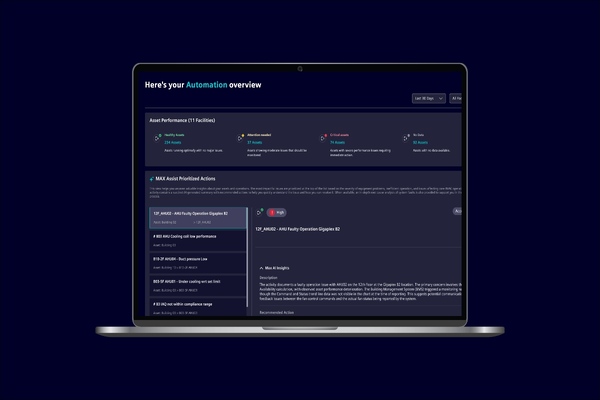
- Asset Performance Advanced integrates predictive intelligence and prescriptive AI to enhance building operations.
- The tool autonomously detects issues, recommends actions, and optimizes asset performance.
- This innovation supports the transition toward human-centric autonomous buildings.
Innovative Technology for Enhanced Asset Performance
Asset Performance Advanced is a cutting-edge tool designed to transform the way buildings operate by incorporating predictive intelligence and prescriptive artificial intelligence (AI). This technology addresses critical challenges in building management by enabling continuous improvement in asset performance.
The AI tool is engineered to autonomously sense issues within building systems, evaluate the best course of action, and recommend solutions. Its predictive capabilities allow it to foresee potential problems before they escalate, ensuring timely interventions that can save costs and improve operational efficiency.
By leveraging data analytics and machine learning, Asset Performance Advanced not only identifies existing issues but also helps in making informed decisions that enhance the longevity and functionality of various building assets. This comprehensive approach emphasizes a shift toward more humane and efficient building management, paving the way for the development of human-centric autonomous buildings.
The evolution toward such autonomous systems signifies a broader shift in how buildings are designed and controlled. With a focus on integrating advanced technology, stakeholders can expect improved sustainability, safety, and comfort in building operations. The ultimate goal is to make buildings more responsive to the needs of their occupants while maximizing operational efficiency.
In summary, Asset Performance Advanced represents a significant step forward in building management technology, promoting intelligent solutions that support optimal asset performance and a smoother transition into the era of autonomous structures.
The content above is a summary. For more details, see the source article.









