


Key Takeaways
- Google launched Gemini 3.5 Flash, a cost-effective AI model aimed at reducing enterprise token usage.
- New features include Gemini Omni, a multimodal model, and AI agents like Daily Brief and Gemini Spark.
- These advancements aim to counter competition while addressing enterprises’ growing concerns over AI operational costs.
Google’s New AI Initiatives Address Cost and Competition
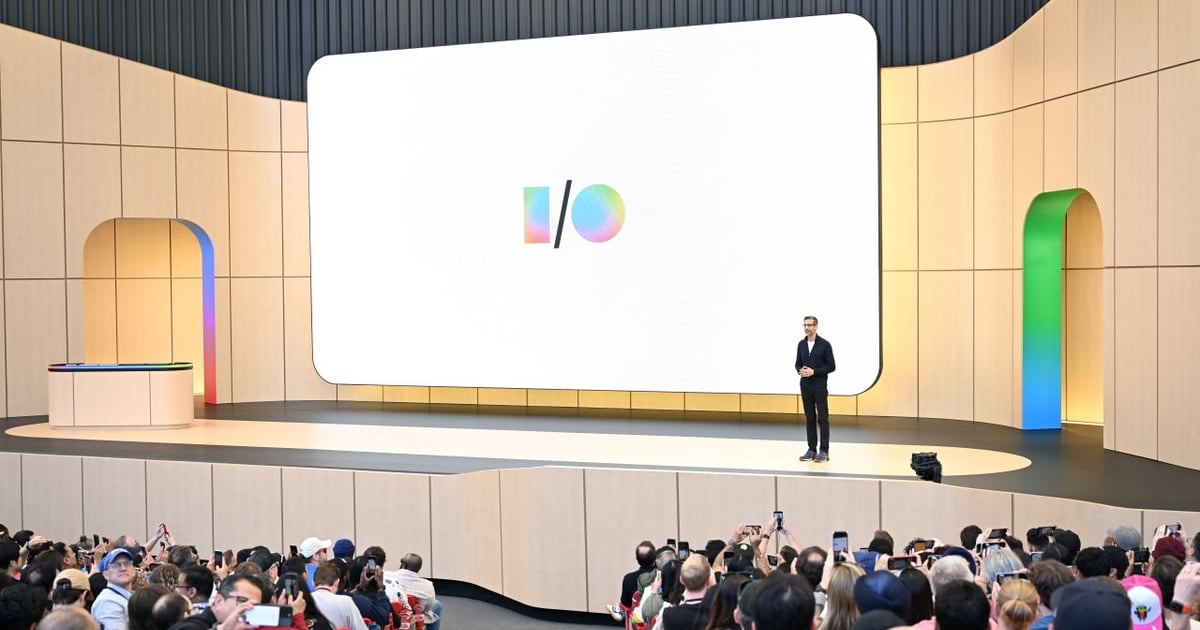
At the I/O 2026 developer conference, Google unveiled several innovations aimed at enhancing efficiency and reducing costs for its enterprise customers. Central to this initiative is Gemini 3.5 Flash, a new AI model designed to minimize the number of tokens required for operation, addressing a significant concern for businesses currently facing escalating AI-related expenses.
As enterprises increasingly adopt AI technologies, the sensitivity to token costs has become critical. Google’s new model is pitched as the most affordable proprietary frontier model, priced at $1.50 per million tokens. This pricing contrasts sharply with competitors like Anthropic, whose Claude Opus 4.6 now charges $5 per million input tokens and $25 for output tokens, down from higher rates earlier this year. Google CEO Sundar Pichai emphasized that a mix of models could lead to substantial savings, highlighting the growing financial pressure businesses feel regarding AI consumption.
Analysts recognize the importance of focusing on cost-efficient solutions amid this “token anxiety.” Companies like Google and Anthropic are under increasing pressure to offer competitive pricing to attract enterprise customers. Mark Beccue of Omdia pointed out that the demand for cheaper, faster, and better AI solutions has driven this shift in focus, illustrating an industry-wide trend towards addressing customer apprehensions about escalating costs.
In tandem with Gemini Flash 3.5, Google introduced Gemini Omni, a versatile model capable of generating outputs across multiple modalities, including text, images, and video. Additionally, Gemini Spark, a personal AI agent designed to operate seamlessly across various Google applications such as Gmail and Docs, leverages the new AI model. Spark can automate tasks like compiling information and managing digital interactions, providing users with a capable assistant that operates under their direction.
The introduction of these models comes as Google also revamps its Antigravity AI platform. Features include a fully agent-focused desktop application built in an impressively short timeframe of 12 hours, with minimal API costs incurred. The strategic emphasis on enhancing capabilities in personal AI not only showcases Google’s innovation but also its response to competitive pressures in the industry.
Despite these advancements, the competitive landscape remains intensive, with analysts noting that recent moves from Google are largely reactive to the actions of other firms. The rapid pace of innovation among top generative AI vendors means that enterprises must stay vigilant, frequently updating their software to align with new developments. This ongoing race can complicate standardization for businesses, necessitating extensive adjustments to accommodate evolving AI solutions.
In summary, Google’s latest offerings, including cost-sensitive AI models and innovative applications, reflect its commitment to addressing the challenges faced by enterprises in adopting AI technologies. These developments may not only enhance operational efficiency but also provide significant cost savings, empowering organizations to navigate the complexities of AI deployment effectively.
The content above is a summary. For more details, see the source article.









