


Key Takeaways
- Prestige haircare is now the fastest-growing category in beauty, surpassing fragrance.
- Sales growth is driven by increased demand for treatments, especially scalp care and bond repair products.
- The category sees strong online sales, particularly among older and higher-income consumers.
Emerging Trends in Prestige Haircare
Haircare has officially eclipsed fragrance as the fastest-growing segment in prestige beauty, according to first quarter data from market research firm Circana. Prestige haircare sales increased by 10% compared to 7% for fragrance and skincare, with makeup growing by only 2%. For the entire year of 2025, prestige haircare is projected to rise by 8%, again outpacing the other categories. Larissa Jensen, SVP and global beauty industry advisor at Circana, noted that haircare has been among the strongest categories for several years and shows no sign of slowing down.
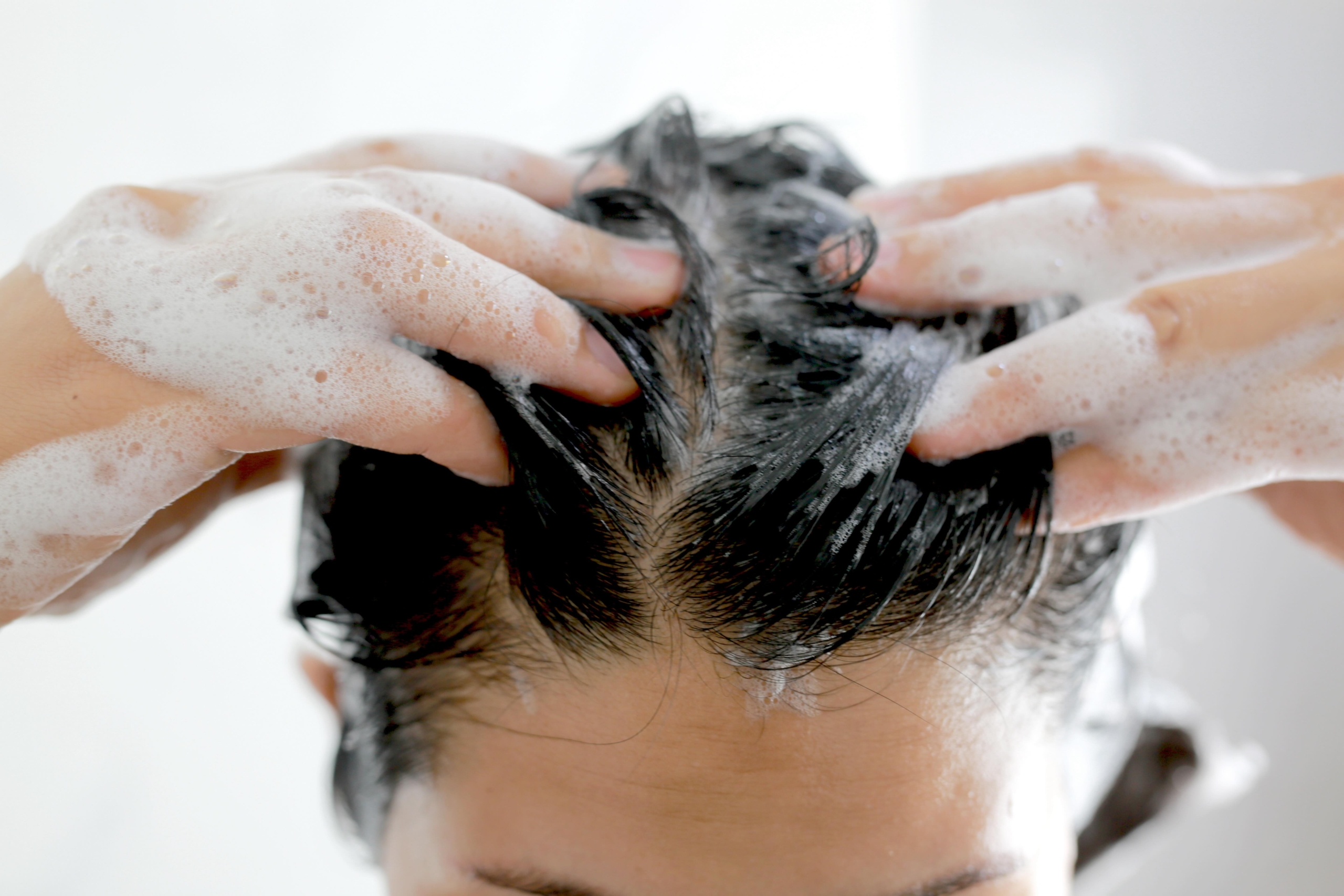
A significant factor in this surge is the increased consumer interest in hair treatments. Products focusing on scalp care, bond repair, and restoration are particularly popular. Unlike fragrance or makeup, haircare benefits from strong online sales, as consumers often prefer to shop for products that may not show immediate results, making online purchases more convenient.
The demographic profile of prestige haircare buyers is noteworthy, with consumers aged 55 and older comprising around 34% of the market, while 66% earn over $100,000 annually. Additionally, Hispanic consumers significantly contribute to this growth, representing 19% of the purchasing group, making them the second-largest demographic after white non-Hispanic shoppers.
Growth Drivers in the Market
The boom in treatment products is the primary driver of growth within the prestige haircare market. Scalp care treatments saw high double-digit sales increases, and there has been a notable rise in the launch of new treatment items. Traditional haircare essentials, such as shampoo and conditioner, experienced declines last year but are showing signs of recovery.
Jensen believes the category is undergoing a “skinification” trend, where skincare-like ingredients are being incorporated into haircare products. She emphasizes the importance of educating consumers about hair and scalp health, akin to discussions surrounding skin health.
Salon brands dominate the market, accounting for about 70% of prestige haircare sales. Their success aligns with a broader trend where authority and expertise define consumer choices in beauty. Meanwhile, celebrity haircare brands are also growing quickly, with their sales volume doubling, albeit they only represent 3% of the market. Clean haircare brands are now 18% of the category, highlighting a shift towards more conscientious consumer choices.
Emerging Opportunities and Consumer Insights
A notable opportunity in the market pertains to hair thinning, especially as the use of GLP-1 medications rises. This consumer group tends to be concerned about shedding due to rapid weight loss and stress, indicating a growing demand for products addressing hair thinning. Although these products aren’t currently growing as fast as other segments, Jensen anticipates increased sales as acceptance of GLP-1 rises.
Consumer behavior in the prestige haircare market shows that convenience plays a significant role in purchasing decisions. Many consumers do not have brand loyalty, prioritizing accessibility over attachment to specific brands. This trend differs substantially from how consumers engage with skincare and makeup, where brand loyalty is more prevalent.
Moreover, many consumers mix prestige products with mass-market items as part of a strategic routine, with only around 20% buying exclusively from mass-market brands. This ‘high-low’ shopping behavior illustrates a preference for effective treatments, materials, and specialized products alongside more affordable options.
Overall, the continued growth of the prestige haircare category is driven by evolving consumer preferences, an increasing focus on treatment, and the integration of effective skincare principles into haircare products, positioning it strongly in the beauty industry.
The content above is a summary. For more details, see the source article.









