Key Takeaways
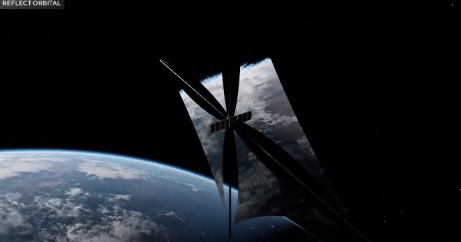
- A Hawthorne startup, Reflect Orbital, is launching satellites with giant mirrors to redirect sunlight to Earth.
- The project has raised nearly $30 million and has received over 260,000 applications from interested companies.
- Concerns over light pollution affecting wildlife have been acknowledged, with plans in place to minimize impact.
Innovative Sunlight Redirection Project
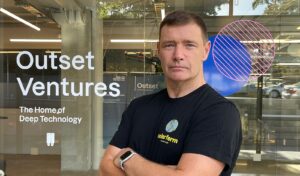
Reflect Orbital, a space technology startup based in Hawthorne, is embarking on an ambitious clean energy initiative aimed at harnessing solar energy at night. The company’s cofounder and CEO, Ben Nowack, outlined how giant mirrors will be launched into space to reflect sunlight back to Earth. This innovative approach could enable a variety of beneficial applications, including extending the operational hours for solar farms, facilitating nighttime plant growth, and enhancing construction activities. Additionally, it promises to assist in search and rescue operations.
Nowack illustrated the mechanics of the system, describing a reflective material akin to a space-grade potato chip bag that can be compacted to fit within a satellite. Once deployed, the material expands into a 60-by-60-foot mirror capable of illuminating a three-mile-wide area on Earth. For example, in a search-and-rescue situation, operators could utilize the satellite to illuminate the surrounding area, significantly improving the chances of locating individuals in distress.
Financing for the project has been robust, with Reflect Orbital securing nearly $30 million from investors and receiving over 260,000 applications from businesses looking to implement the service. However, this forward-thinking initiative has encountered some criticism. Dr. Andrew Farnsworth, a visiting scientist from Cornell University, has raised concerns regarding potential light pollution effects on avian species and the disruption of natural ecological patterns. He emphasized the need for Reflect Orbital to conduct thorough environmental impact assessments to mitigate unintended negative consequences.
Acknowledging these concerns, Nowack assured that the reflective satellites will be designed to minimize light pollution. The satellites will deactivate when not in use, and a five-minute test launch planned for this fall aims to collect crucial data for further refinement. Nowack expressed hope that by starting with controlled tests in isolated areas, the project can evolve responsibly. He remains optimistic that his childhood aspirations could ultimately lead to transformative advancements for society at large.
The content above is a summary. For more details, see the source article.