


Key Takeaways
- Solarferm, a New Zealand startup, aims to produce cheaper fermentable sugars using hydrogen and carbon dioxide.
- The company uses engineered bacteria in a two-stage process to convert methane into glucose.
- Solarferm targets partnerships with energy companies and ingredient manufacturers for scalable sugar supply solutions.
Innovative Sugar Production Technology
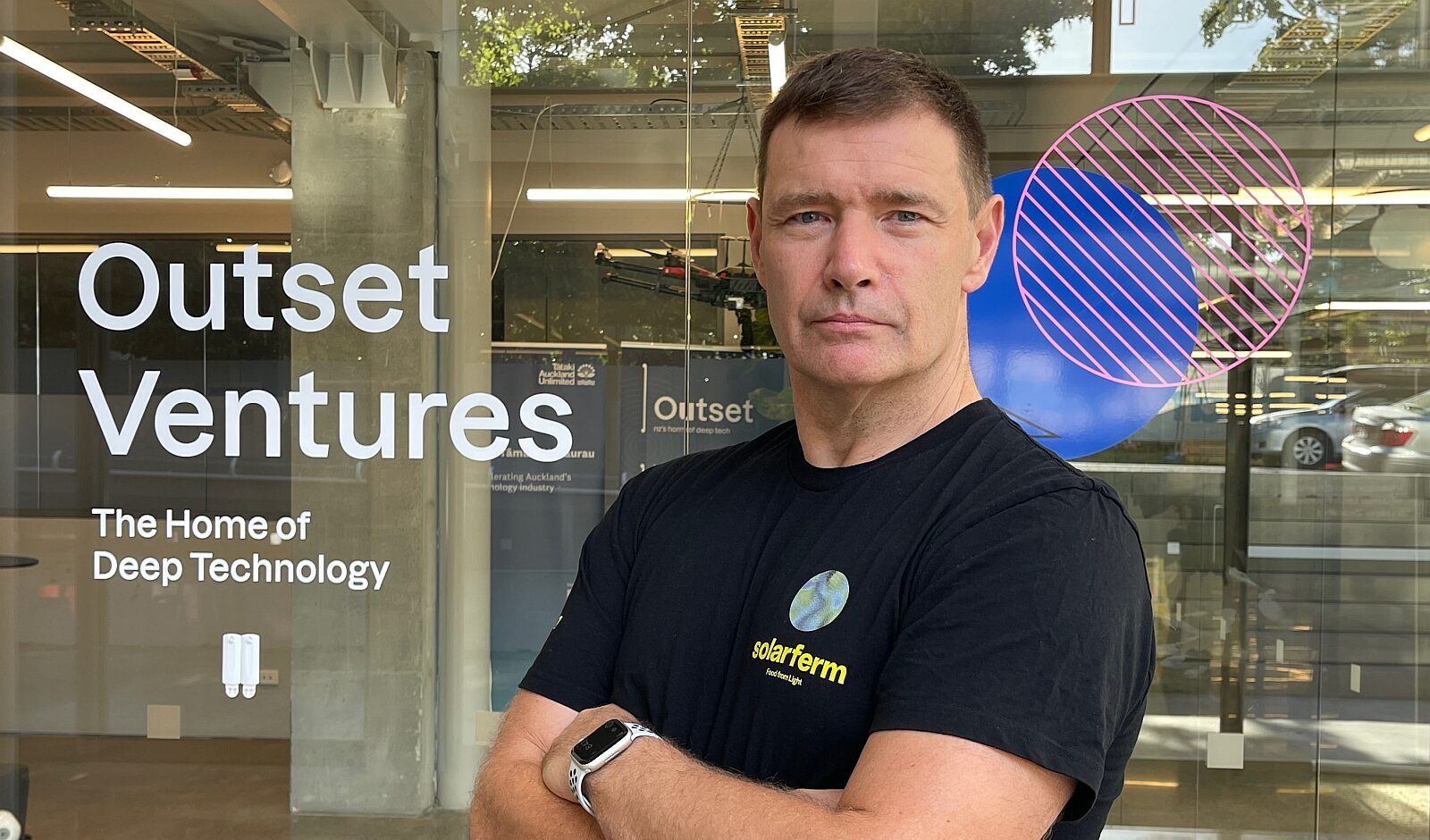
Solarferm is pioneering a technology designed to provide a more cost-effective and reliable source of fermentable sugars crucial for the bioeconomy. The startup, founded by Gabriel James and Tancred Frickey, has developed a two-stage fermentation process. Initially, it employs thermochemical methods to convert methane into a chemical intermediate, subsequently utilizing engineered bacteria to transform that intermediate into glucose.
Currently, the first-generation system harnesses photosynthetic bacteria within stainless-steel fermentation tanks equipped with internal lighting. However, Solarferm aims to minimize or eliminate the lighting requirement in future iterations. James projects that the techno-economic modeling indicates that their glucose production could match or surpass the cost of fermentation-grade dextrose, priced approximately at $550 per ton, provided the technology is deployed on an industrial scale.
Addressing Sugar Market Volatility
James highlights the volatility in the sugar market as a significant challenge. Recent forecasted declines in global sugar production due to El Niño-related weather disruptions in key producing regions like India and Thailand have caused prices to soar. He argues that these fluctuations underscore the unpredictable nature of crop-derived sugar supplies.
While alternative methods, such as gas fermentation or using agricultural byproducts, exist, James asserts that traditional sugar remains the preferred feedstock for biomanufacturing. Solarferm seeks to enhance the existing system by offering biomanufacturers a scalable and secure sugar source without demanding extensive changes to their production methods.
Deployment Strategies and Business Models
Exploring various deployment models, James outlines potential partnerships with energy companies, which already possess the necessary gas infrastructure. In this scenario, Solarferm could license its bioreactor technology while the partner constructs and operates the sugar production facilities. Another avenue involves collaborating with ingredient manufacturers aiming for a seamless and vertically integrated feedstock supply; in this model, Solarferm’s production plant could be situated adjacent to existing fermentation operations.
James envisions a “closed loop” business model whereby up to 50% of the carbon dioxide emitted from fermentation processes could be redirected back into Solarferm’s plant for sugar regeneration. There’s also a possibility that Solarferm may directly manage the bioreactor and sugar production facility if deemed economically viable.
Production of Rare Sugars
In addition to glucose, Solarferm’s microbial technology has the potential to produce rare sugars like allulose and tagatose. However, James emphasizes that the production of these more specialized sugars hinges on the efficiency of their glucose-generating system. If the glucose synthesis is not optimized, the subsequent production pathways for rare sugars will also suffer.
James is collaborating with partners in Australia as part of the RECARB program, which is supported by Woodside Energy, aiming to improve strain engineering for this purpose.
Market Interest and Funding
Having secured early-stage funding, Solarferm is now looking to raise a seed round to further its technical initiatives. Interest is already building from companies seeking affordable industrial sugars for fermentation, including a multinational dairy firm looking for sustainable feedstock solutions for its manufacturing operations. This trend indicates a shift toward long-term feedstock security among strategic partners, moving away from merely reacting to short-term price changes.
The content above is a summary. For more details, see the source article.









