


Key Takeaways
- Ben Gawiser won a $10,600 judgment against Tesla for failure to deliver promised Full Self-Driving software.
- Despite legally binding agreements, Tesla’s handling of refunds reflects ongoing dissatisfaction among owners.
- Class action lawsuits may further challenge Tesla’s liabilities, stemming from unmet promises of self-driving capabilities.
Legal Action Against Tesla Over Self-Driving Software
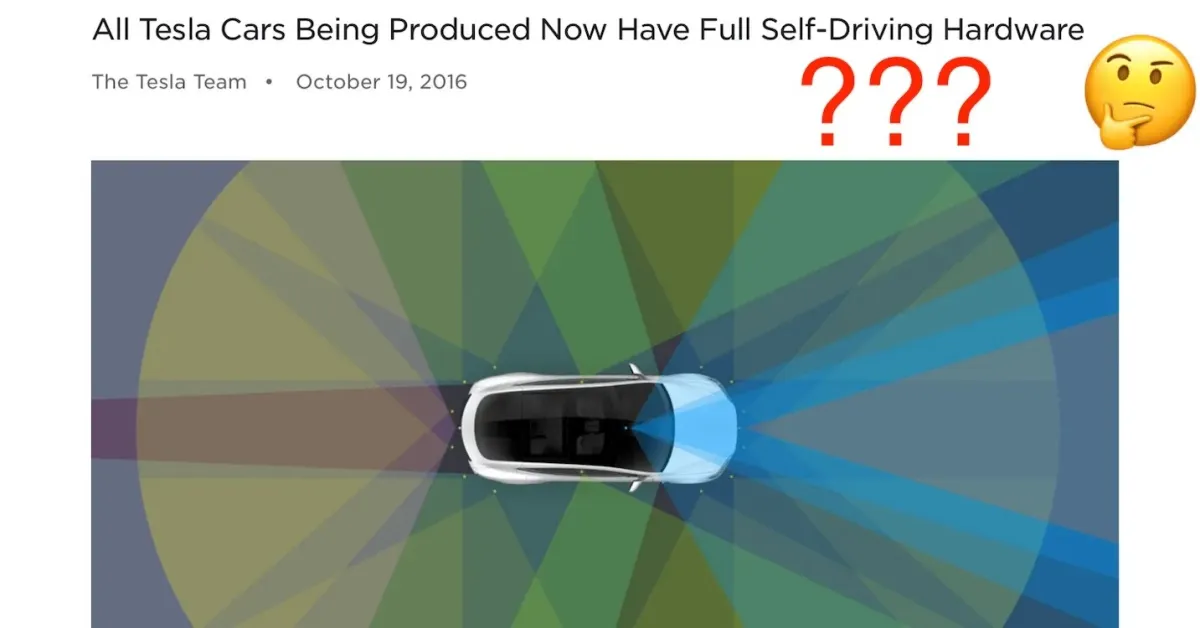
For over a decade, Tesla has marketed its vehicles with promises of self-driving capabilities, claiming that all cars produced are equipped for such features. However, many owners are expressing frustration over the lack of delivery on this promise. Ben Gawiser, a Tesla Model 3 owner, recently secured a $10,600 judgment against the company due to the failure of its Full Self-Driving software to meet expectations.
Gawiser purchased his Model 3 in August 2021 for $62,000, which included a $10,000 fee for Full Self-Driving software. Initially, Tesla had indicated that as the software developed, its price would continue to rise, but it later altered its pricing strategy to a subscription model. Despite these adjustments, Gawiser found that the software did not perform as advertised, with his vehicle still requiring human intervention in critical situations like stopping in school zones.
Frustrated with the lack of a remedy, Gawiser contacted Tesla’s resolution team in November 2025 but received little assistance. After an unsuccessful request for a refund, he filed a lawsuit in small claims court in Travis County, Texas. He was guided by the practicality of small claims courts, which are designed for individuals without legal representation. The court granted him a default judgment after Tesla failed to respond.
Following the judgment issued on April 1, 2026, Tesla attempted to delay payment by requesting additional time to respond, yet also neglected to provide a substantial defense. During a video hearing, Gawiser presented evidence of his payments and the shortcomings of the self-driving software, ultimately resulting in a favorable ruling.
On May 29, Gawiser reported that Tesla had finally complied with the court’s decision and he received a check for $10,800, which included the judgment amount plus interest. This outcome highlights ongoing legal tensions between Tesla and customers who feel deceived by unfulfilled promises.
Gawiser’s case isn’t isolated; other Tesla owners have similarly pursued refunds through small claims courts and arbitration. However, such successful instances remain rare given the number of users affected by the company’s unmet obligations regarding self-driving technology.
Beyond individual cases, multiple class action lawsuits are currently underway worldwide, potentially exposing Tesla to significant financial liabilities. These legal challenges, which span across the US, China, Australia, and Europe, could collectively amount to billions for the company as they address the widespread dissatisfaction over its self-driving delivery promises.
While Gawiser’s situation provided him with some financial restitution, it is crucial to note that small claims cases do not set legal precedents. His victory may not assure similar outcomes for other Tesla owners, especially if Tesla opts to mount stronger defenses in future legal disputes.
Tesla’s internal responses and the shortcomings in their defense during Gawiser’s case raise questions about the company’s operational management. As these legal battles unfold, they may ultimately push Tesla to rectify its ambiguous commitments surrounding self-driving capabilities.
The content above is a summary. For more details, see the source article.









