


Key Takeaways
- Australia is leading a battery and renewable energy revolution, significantly reducing electricity prices and promoting household solar power.
- Nearly 60% of global household battery capacity this fiscal year will be installed in Australia, highlighting its rapid adoption of this technology.
- The government’s subsidy program aims to install 2 million home batteries by 2030, helping households reduce reliance on fossil fuels.
Demolition and a New Energy Era in Australia
As intense heatwaves grip Europe and Asia, Australia celebrates a simultaneous transition in energy. The demolition of chimneys at the Liddell power station coincided with an announcement of a 10% drop in electricity prices in certain regions. Australia is emerging as a global leader in home renewables and battery usage, with innovations and supportive policies paving the way for this transformation.
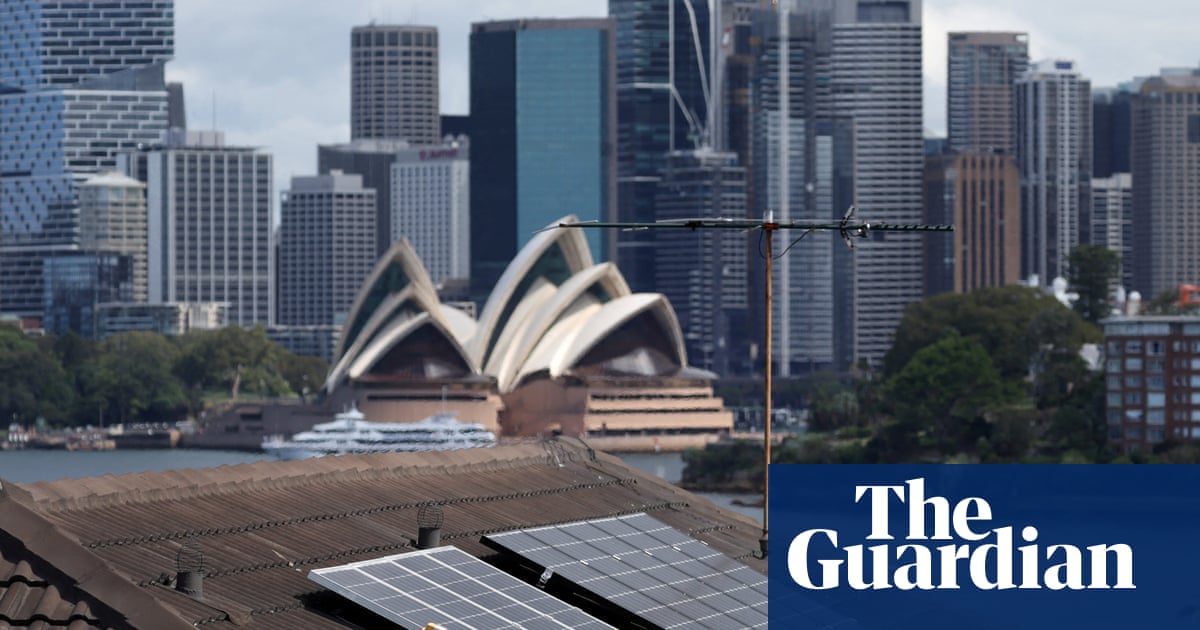
Household solar panels are already installed on one in three homes in Australia. Now, nearly 60% of the household battery capacity installed globally this year will occur in Australia, which connects about 415,000 batteries—one for every 25 homes—since July. Industrial-scale batteries are also on the rise, with Australia trailing only behind China and the U.S. in new capacity additions.
Batteries address long-standing concerns that renewables are unreliable; they store solar energy for later use, mitigating peak demand issues. With solar and wind accounting for nearly half of Australia’s electricity, the reliance on costly gas-fired power is diminishing. Over the past summer, gas generation decreased by 24% compared to the previous year, signaling a substantial change in electricity market dynamics.
The Australian government introduced a $2.3 billion subsidy to reduce battery installation costs by 30%, targeting 1 million battery installations by 2030. Due to overwhelming demand, the goal has been revised to 2 million. Despite calls to limit the program to cut costs, funding has increased to $7.2 billion, ensuring its continuation through the decade.
Critics highlight that the program overlooks lower-income areas, emphasizing the need for equitable distribution of resources. Energy Minister Chris Bowen acknowledges the disparities but believes the initiative benefits the entire population as it reduces reliance on gas.
Public enthusiasm for the battery scheme is reflected in individual stories, like that of Emma Hewitt, a single mother who installed a battery to minimize her energy costs and carbon footprint. The surge in battery adoption has revived solar panel installations, achieving record numbers as Australians seek to enhance their energy systems.
Despite its renewable progress, Australia continues to be a major fossil fuel exporter, raising concerns about the government’s approval of 36 new fossil fuel projects. Investment uncertainty and rising costs present challenges for new solar and wind developments, casting doubt on the government’s goal of generating 82% of electricity from renewables by 2030. However, the advancement in battery technology and installation unabatedly marks Australia’s evolution into a powerhouse for sustainable energy. The old energy model is shifting, positioning households as key players in the energy market and responding positively to renewed consumer demand and technological advancements.
The content above is a summary. For more details, see the source article.









