


Key Takeaways
- Waldencast has sold professional skincare brand Obagi Medical to Bridgepoint Group for $460 million.
- The acquisition highlights the growth potential at the intersection of skincare and aesthetics.
- Obagi aims to leverage its medical heritage and new product innovations to expand its market presence.
Obagi Medical Acquired by Bridgepoint Group
Waldencast has finalized the sale of Obagi Medical, a professional skincare brand established by dermatologist Zein Obagi, to private equity firm Bridgepoint Group for $460 million. The acquisition reflects the evolving relationship between beauty, aesthetics, and wellness.
This deal is based on Obagi’s projected 2025 results, achieving a 2.8X multiple on $161.6 million in sales and a 23.7X multiple on $19.4 million in adjusted EBITDA. While these multiples are lower than other major skincare acquisitions, they illustrate Bridgepoint’s confidence in the growth potential of brands that combine skincare with aesthetic treatments.
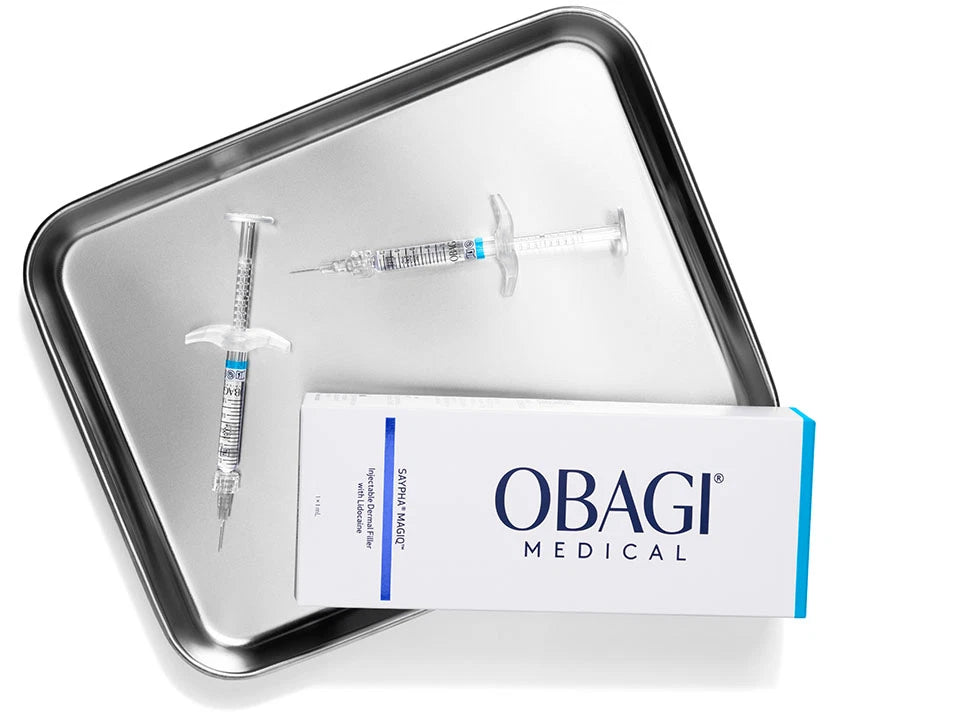
Michel Brousset, co-founder and CEO of Waldencast, will transition to become the CEO of Obagi under Bridgepoint. He asserts that Obagi, rooted in physician-dispensed skincare, has the potential to become a recognizable name in aesthetics, akin to Botox. The recent launch of the Obagi Saypha MagIQ, a hyaluronic acid dermal filler, is expected to significantly broaden the brand’s market reach.
Brousset emphasizes that Obagi’s professional credibility and clinical backing drive its recommendations by healthcare professionals. This strategy has positioned Obagi well within the booming aesthetics sector, contributing to Bridgepoint’s decision to acquire the company.
Alongside Brousset, Hind Sebti, also a co-founder of Waldencast, will join Bridgepoint as chief growth officer of Obagi. Post-sale, Waldencast will focus solely on Milk Makeup, which it acquired in 2022. Following the announcement, Waldencast’s stock surged nearly 49%, increasing its market capitalization to around $230 million, spurred by investor optimism surrounding the transaction. The proceeds from the sale will primarily address $178 million in senior secured debt.
Bridgepoint, with $94 billion in assets, has previously acquired various wellness brands and positions Obagi alongside other skincare entities in its portfolio. Brousset noted Obagi’s strong growth, reporting an 8.3% increase in net sales last year, although adjusted EBITDA declined by 36.3% due to investments in the brand’s injectables initiatives. Excluding these investments, the adjusted EBITDA decline would have been more moderate.
As Obagi pursues a three-pronged growth strategy—leveraging its medical expertise, innovating product offerings, and broadening its market presence—it is poised for international expansion, with established footholds in the Middle East, Asia, and Europe.
The ongoing shift in consumer beauty routines towards aesthetics is prompting brands to explore deeper innovations and acquisitions. A recent study highlights that around 15 million Americans are “optimizers” of beauty, spending significantly in this sector and embracing aesthetic treatments early.
In a strategic move, Obagi previously sold its trademark for Obagi Japan to Rohto Pharmaceutical for $82.5 million, using most proceeds to reduce debt. This marks a broader trend in consumer behavior, where educated buyers are increasingly seeking performance-driven skincare products.
Looking ahead, Brousset remains optimistic about both Obagi and Milk Makeup. Despite a 44.5% drop in Milk Makeup’s adjusted EBITDA following slower overall growth in the makeup category, he stresses the brand’s uniqueness and untapped potential in a challenging market.
The content above is a summary. For more details, see the source article.









