


Key Takeaways
- New street sensors in NYC will monitor pedestrian, cyclist, and vehicular activity.
- The technology aims to enhance urban planning and street safety.
- Sensor data prioritizes privacy while providing insights into traffic patterns.
Introduction of Innovative Sensors
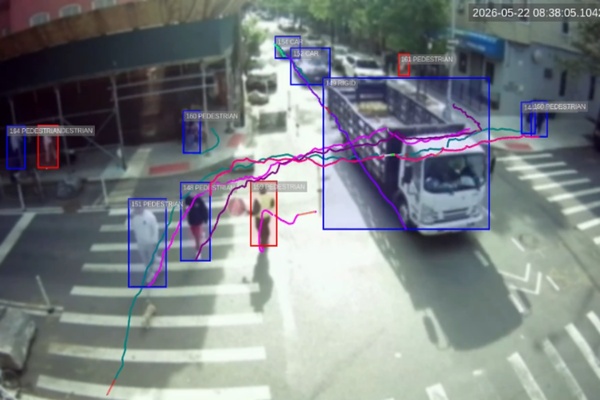
New York City is set to introduce advanced street activity sensors developed by Viva. These compact, privacy-conscious devices are designed to monitor the flow of pedestrians, cyclists, buses, and vehicles along city streets. The goal is to collect crucial data on how urban spaces are utilized, with an emphasis on safety and efficiency.
Enhancing Urban Planning
The data gathered by these sensors will serve as valuable feedback for urban planners. By providing insights into traffic patterns and street usage, city officials can make informed decisions about infrastructure improvements. The information will help identify high-traffic areas, allowing for better allocation of resources and potential redesigns to enhance safety for all users, including vulnerable road users like cyclists and pedestrians.
Privacy Protection Measures
One of the key features of the Viva sensors is their commitment to user privacy. The sensors are designed to omit personally identifiable information, ensuring that data collection does not intrude on individual privacy rights. This approach aims to cultivate trust among city residents by balancing the need for effective urban monitoring with respect for personal privacy.
Potential Citywide Impact
The implementation of these sensors could revolutionize how the city analyzes transportation and pedestrian trends. By assessing how frequently and where individuals walk, bike, and drive, NYC can adopt more effective strategies for mobility and safety. This shift could lead to improved street designs that not only accommodate but also encourage safer travel options for everyone.
As the pilot phase of these sensors rolls out, the NYC Department of Transportation (DOT) expects positive feedback from both city dwellers and visitors. Accessibility and safety enhancements could make New York City a model for urban planning in other major cities, demonstrating the benefits of integrating technology into everyday urban life.
In summary, the deployment of small, privacy-friendly sensors by Viva signals a major advancement for New York City’s urban infrastructure. The data collected will not only inform better planning decisions but also promote safer streets for all forms of transport. This initiative stands as a testament to the city’s commitment to innovation and the continuous improvement of public spaces.
The content above is a summary. For more details, see the source article.









