


Key Takeaways
- Foreign exchange volatility and policy inconsistency hinder growth in Nigeria’s automotive sector.
- Honda’s MD stresses need for a solid automotive policy to boost investor confidence and local manufacturing.
- Despite challenges, there are promising long-term market opportunities due to Nigeria’s growing population.
Obstacles in Nigeria’s Automotive Sector
Persistent volatility in foreign exchange rates and the Nigerian government’s failure to effectively implement the automotive policy introduced over a decade ago are major barriers to growth in the country’s automotive industry. Daisuke Mita, the Managing Director of Honda Automobile Western Africa, shared these concerns in a recent interview with The Guardian in Lagos.
Mita indicated that although there have been slight improvements in forex conditions, the exchange rate remains excessively high, negatively affecting business operations. One of the most pressing issues for investors in this sector is the inconsistency of policies. The automotive policy initiated in 2014 was intended to be in effect until 2024, but a new policy for 2023-2033 was announced without assessing the first one, and neither has been officially enacted.
The absence of a legally binding framework adds to the uncertainty for investors, especially as the government shifts its focus toward emerging technologies, such as Compressed Natural Gas (CNG) and electric vehicles. This shift occurs while local manufacturers struggle with production issues related to conventional internal combustion engine vehicles.
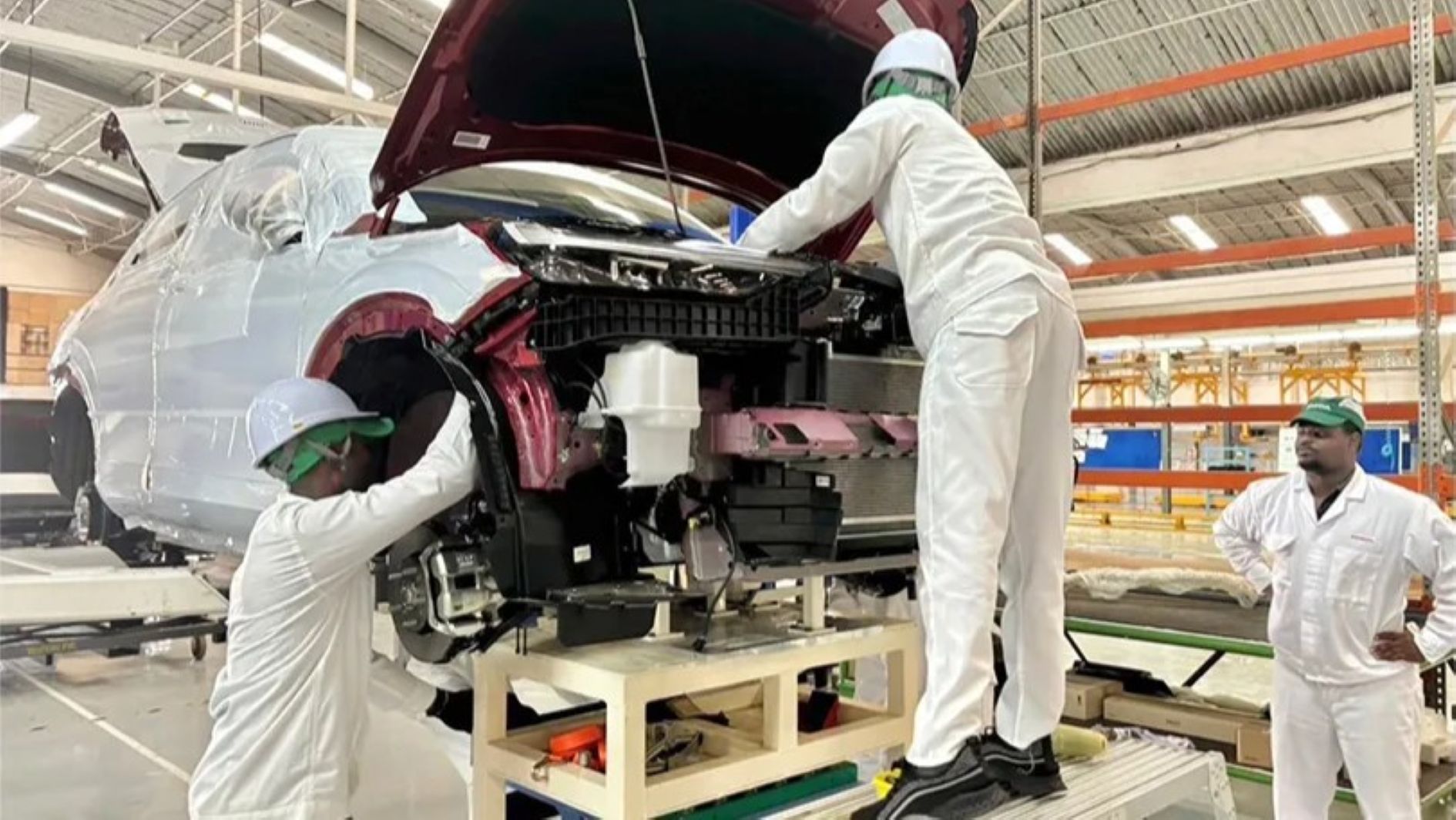
To enhance investor confidence, Mita emphasized the necessity of a comprehensive automotive policy that offers long-term protection for investments and encourages local manufacturing. He also called for increased government support through initiatives like promoting locally assembled vehicles and establishing affordable vehicle financing schemes. A more structured approach to regulating imports of used vehicles, especially those that are accident-prone, could also foster the growth of domestic assembly plants.
Despite these persistent obstacles, Mita remains optimistic about Nigeria’s long-term potential. He pointed out that the country’s growing population presents significant market opportunities, but there is a pressing need to address a considerable transportation gap.
Mita noted that Honda plans to expand its operations and introduce new products, but acknowledged that such progress largely relies on improvements in both the policy and economic landscapes.
The content above is a summary. For more details, see the source article.









