


Key Takeaways
- Chadd Player faced double charges for an audiobook and an e-book from Apple, leading to refund issues.
- After disputing the charge through his bank, Player found his debit card blacklisted by Apple.
- The case highlights potential flaws in AI-driven customer service and its impact on consumer rights.
Consumer Rights and AI Challenges
In a recent incident, Chadd Player encountered unexpected double billing when he purchased an audiobook through the Apple Books app. After being charged for both the audiobook and its e-book counterpart, Player sought a refund. Despite his efforts, his initial requests were denied, leading to frustrations over the refund process.
After appeals were unsuccessful, a supervisor acknowledged the charge appeared erroneous, yet no resolution was offered. Player was informed that this decision followed an automated process driven by AI, which could not be overridden by customer service representatives. Their recommended remedy was to dispute the charge through his bank, which he did, successfully reclaiming the $35.
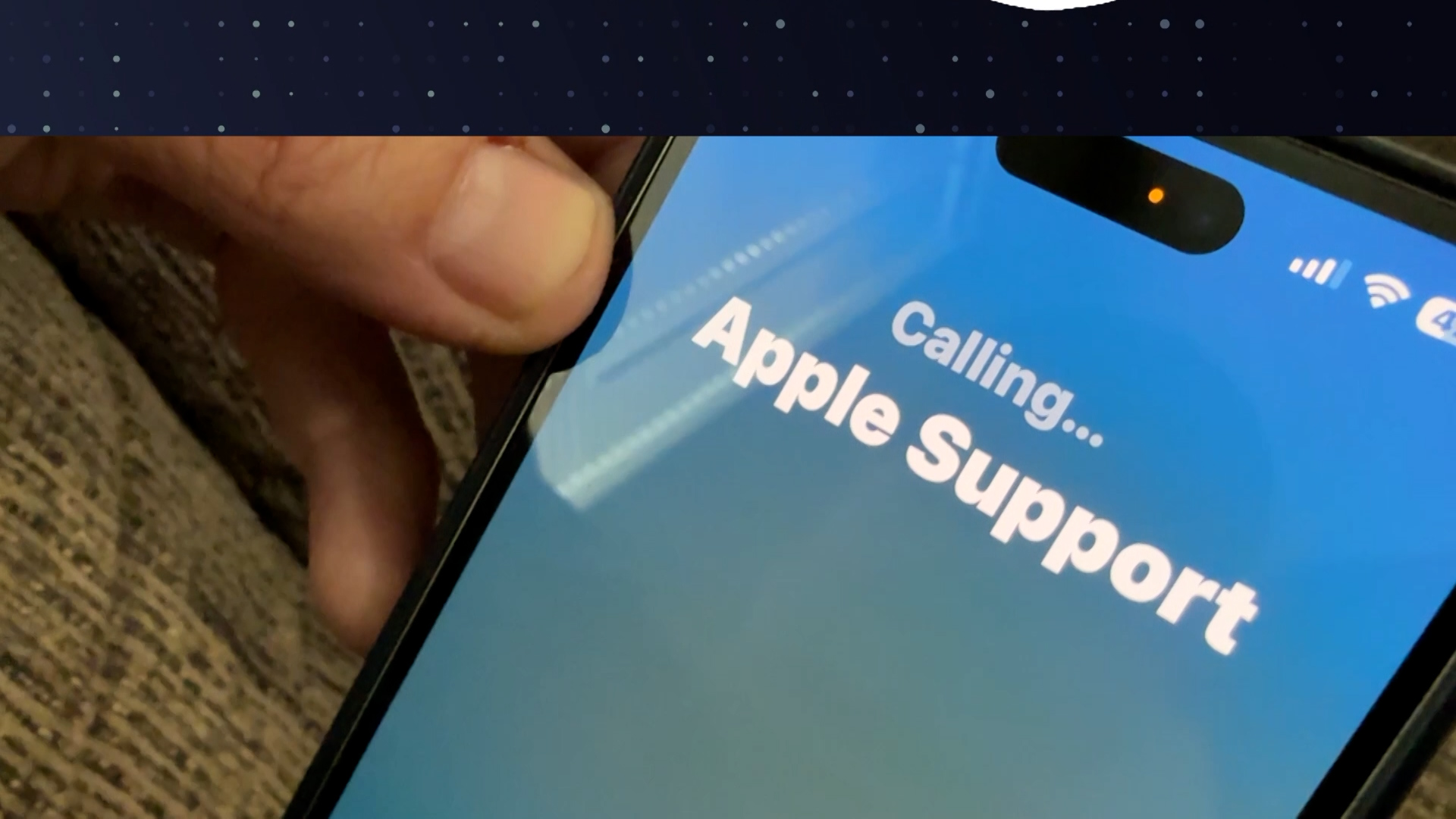
However, complications arose shortly after. When attempting to use Apple Pay, Player discovered his debit card had been removed from his account, leaving him unable to make purchases. A lengthy customer service call revealed that disputing the charge led to his card being blacklisted, a response that Player found unjust.
Despite multiple inquiries to Apple regarding the fairness of this practice and the overall handling of disputes, no response was received, even from their chatbot. The situation underscores a gap in consumer protection. While federal laws like the Fair Credit Billing Act specify consumer rights in disputes involving credit cards, the regulations are less clear for debit cards and the repercussions of successfully disputing a charge.
Player’s experience exemplifies a broader trend where customers feel sidelined by AI systems in customer service, raising critical questions about the role of technology in consumer rights. The case emphasizes the need for both consumers and companies to navigate and address the limitations of AI in customer service and dispute resolutions moving forward.
The content above is a summary. For more details, see the source article.









