


Key Takeaways
- Extreme heat and wildfire smoke pose significant health risks for athletes and fans.
- Adapting infrastructure and safety plans is crucial to safeguard public health in a warming climate.
- Scientists emphasize the importance of proactive measures to mitigate climate-related health threats.
Health Risks in Extreme Weather
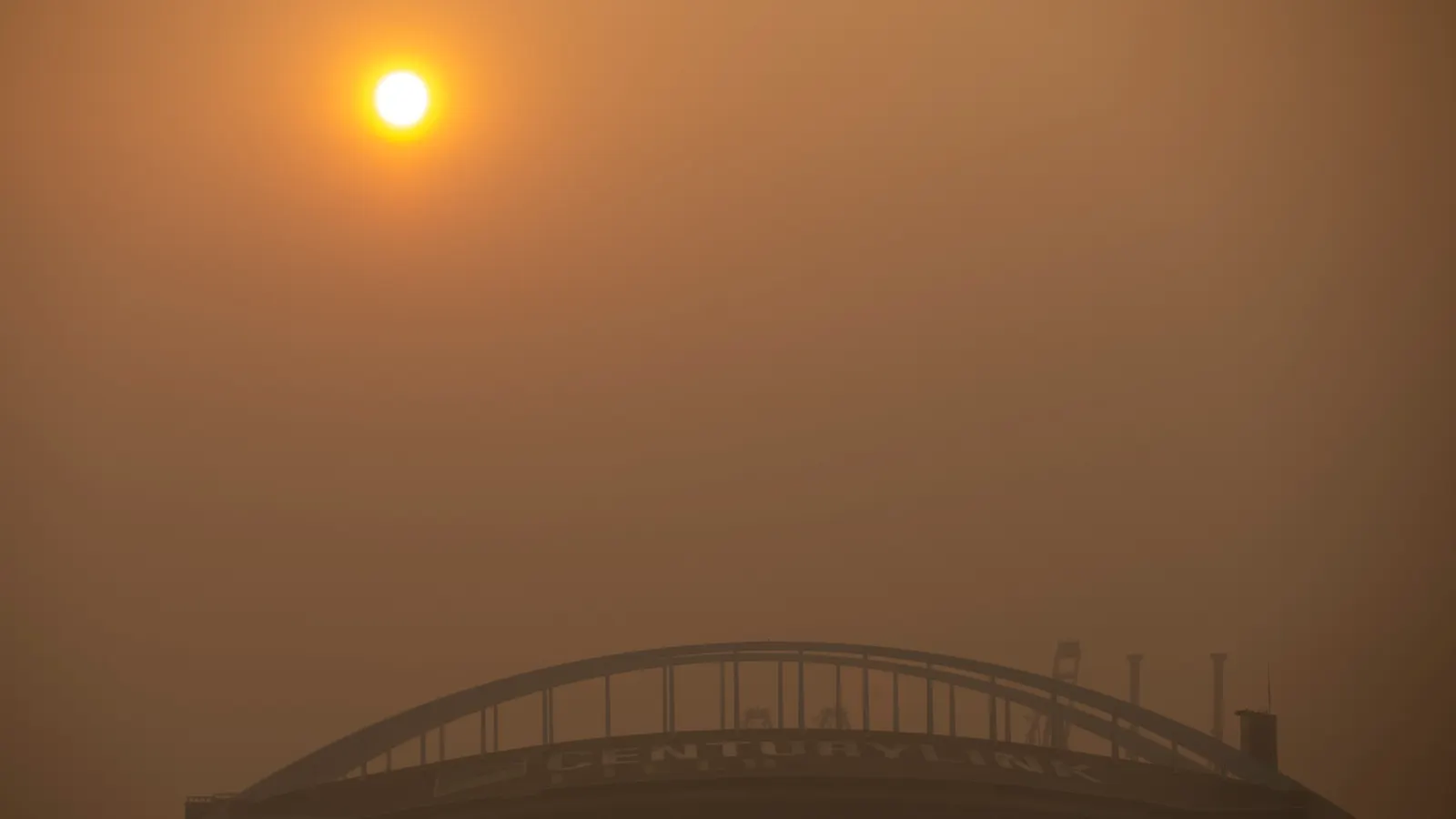
Recent studies highlight the dangers posed by extreme temperatures and wildfire smoke to athletes and spectators during outdoor events. As climate change intensifies, the frequency and severity of such weather conditions are on the rise, prompting experts to advocate for immediate action.
Athletes are particularly vulnerable to heat-related illnesses, which can lead to dehydration, heat exhaustion, and even heat stroke. The risks are compounded for fans attending outdoor events, many of whom may not be prepared for sudden spikes in temperature or poor air quality due to smoke. The combination of high temperatures and smoke can reduce air quality, significantly increasing the likelihood of respiratory issues for attendees and participants alike.
In light of these challenges, experts stress the necessity for adapting infrastructure. This includes enhancing cooling systems in stadiums, ensuring availability of shaded areas, and improving access to hydration stations. Moreover, venues should invest in air quality monitoring systems to provide real-time data on smoke levels and weather conditions, enabling timely communication and adjustments to event schedules.
Public Safety Plans Must Evolve
Public safety plans are also under scrutiny, as traditional methods may no longer suffice in adapting to these warming climate patterns. Researchers emphasize the need for comprehensive strategies that prioritize health and safety, such as revising emergency protocols to account for extreme weather events and increasing public awareness campaigns about the risks associated with high temperatures and smoke exposure.
Educational initiatives should inform both athletes and fans on recognizing symptoms of heat-related illnesses and the importance of taking preventive measures, such as staying hydrated and seeking shade. Engaging with local health services to provide on-site support during events can further mitigate risks.
Policy-makers, event organizers, and public health officials must collaborate to develop guidelines that address these increasing threats effectively. Long-term strategies may include revising venue designs and regulations regarding scheduling events during vulnerable weather conditions.
As climate change continues to pose significant challenges, the time for change is now. Proactive measures can help ensure the safety and well-being of all individuals participating in or attending outdoor events, thus creating a healthier environment for sports in the face of evolving climate realities.
By implementing these changes, organizations can not only protect public health but also foster resilience against future climate challenges. In this new climate era, adapting to extreme temperatures and wildfire smoke is crucial for the safety of athletes and fans alike.
The content above is a summary. For more details, see the source article.









