


Key Takeaways
- The Dodge Charger Daytona’s sales are lagging, prompting Stellantis to increase its price significantly.
- Stellantis is advancing EV technology, testing a Charger Daytona equipped with Factorial’s solid-state battery.
- Solid-state batteries are gaining traction across the industry, with other automakers like Volkswagen and Nissan making strides in this area.
Charger Daytona Struggles but EV Advances Continue
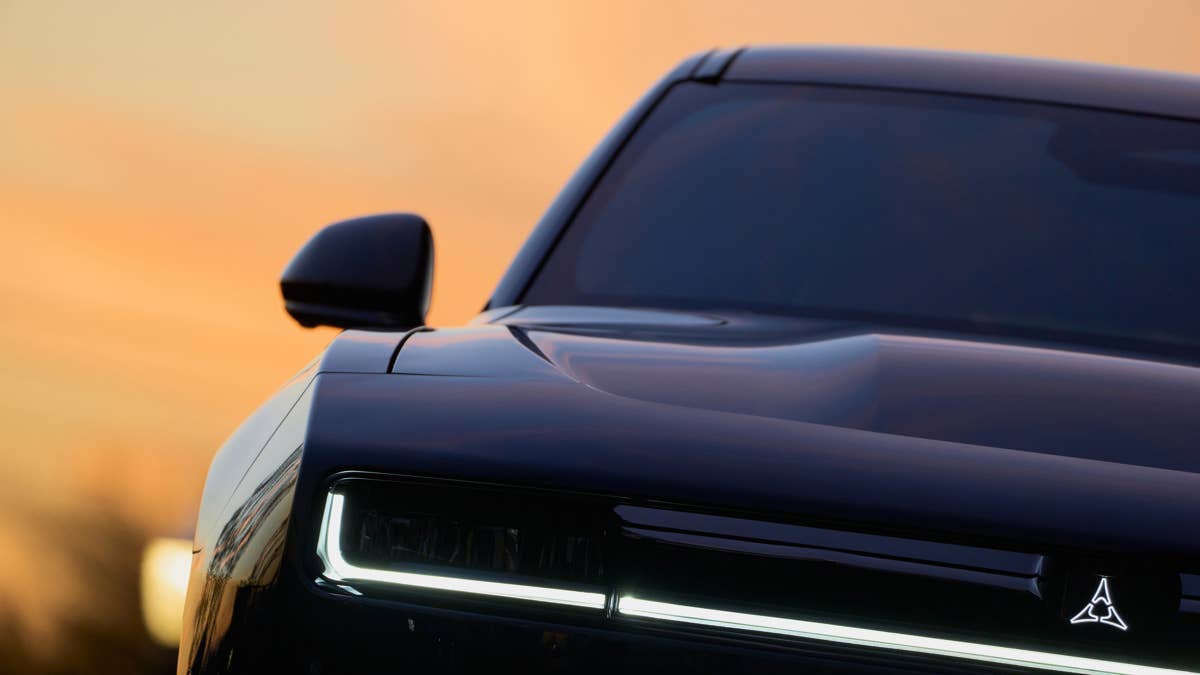
The all-electric Dodge Charger Daytona is struggling in terms of sales, resulting in Stellantis raising its price by five figures to manage the few interested buyers. While some traditional performance features like the Hellcat V8 engine will return to the Charger, Stellantis remains committed to evolving its electric vehicle offerings. The company is actively pursuing significant advancements in EV technology, announcing that it is road-testing a Charger Daytona prototype equipped with Factorial’s advanced solid-state battery tech.
Stellantis aims to prepare for a future where the market is more receptive to electric vehicles, especially as the Charger heads to Europe, where EV adoption is more robust. The shift to Factorial’s Electrolyte System Technology (FEST) is pivotal; this solid-state battery boasts an energy density of 375 Wh/kg and can recharge from 15% to 90% in just 18 minutes—functionality proven under extreme temperature conditions ranging from -22°F to 113°F.
Importantly, Stellantis has integrated Factorial’s solid-state cells into the existing battery architecture of the Charger Daytona, a move that suggests solid-state technology could be easily implemented in current EV platforms. The on-road testing aims to validate the reliability and performance of this innovative approach, which seeks to deliver lighter, less expensive, and more powerful EVs capable of longer trips between charges.
The rapid evolution in solid-state battery technology isn’t isolated to Stellantis. Volkswagen, in partnership with Gotion, is also testing its own solid-state solutions, while Donut Lab claims to have created the first production-ready solid-state batteries that can recharge in as little as five minutes. Nissan aims for mass production of solid-state batteries by 2028, and China has already developed batteries that provide around 800 miles of range on a single charge.
These advancements suggest that, although electric muscle cars are currently slow to gain popularity, the automotive landscape is on the brink of a significant transformation. As solid-state battery technology matures, the performance, cost, and reliability of electric vehicles are set to improve substantially, potentially attracting a more extensive customer base in the near future.
The content above is a summary. For more details, see the source article.









