


Key Takeaways
- Shell is reportedly planning to sell its offshore wind farm assets, potentially raising over $1 billion.
- The company has hired financial advisers and aims to complete the sales process by 2027.
- Shell’s shift in focus emphasizes investments in oil and gas, particularly LNG, while reducing its commitment to renewable energy projects.
Shell’s Strategic Shift in Offshore Wind Assets
Shell is reportedly preparing to sell its offshore wind farm assets, with projections indicating a potential revenue of over $1 billion. This move, first reported by Bloomberg and later by Reuters, sees Shell hiring Rothschild & Co and PJT Partners as advisers to navigate the sales process, likely expected to conclude around 2027. However, specific details regarding which offshore wind assets are up for sale, their operational status, or potential buyers remain unconfirmed.
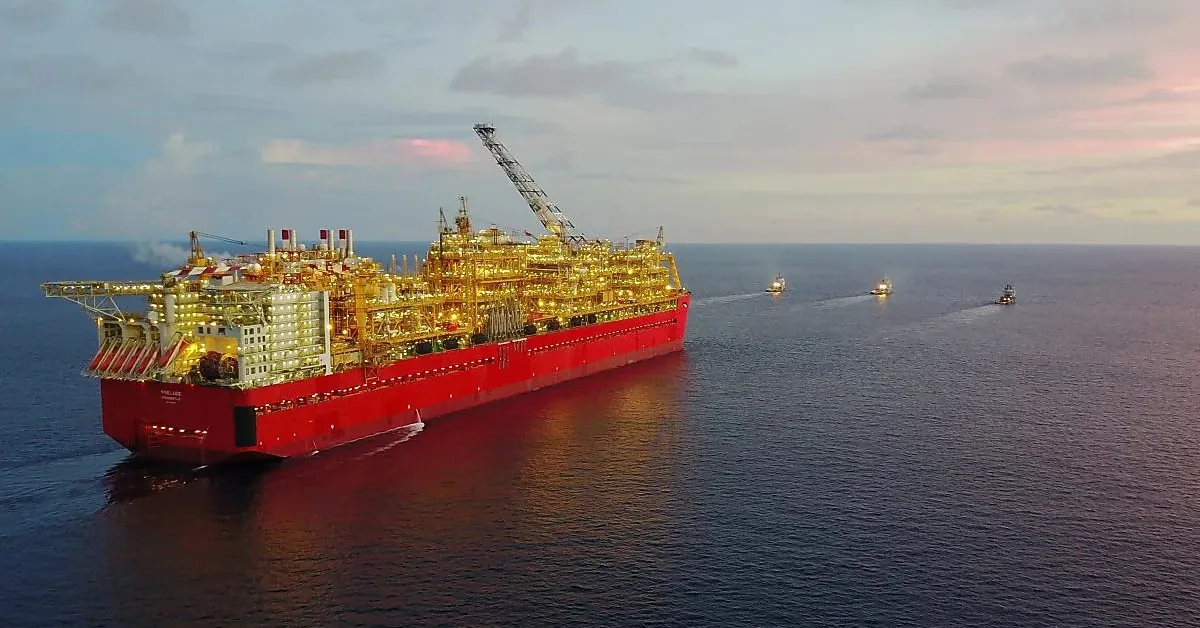
Since Wael Sawan took over as CEO in 2023, Shell’s strategy has pivoted significantly toward increasing investments in oil, gas, and particularly liquefied natural gas (LNG). The company has begun retreating from its commitments to offshore wind energy, evidenced by several recent divestments. For instance, in March 2024, Shell sold its 50% stake in the SouthCoast Wind Energy project off the coast of Massachusetts. Additionally, it incurred a $1 billion write-off on the Atlantic Shores project in New Jersey, which it aims to monetize by October 2025. Shell also exited the MunmuBaram floating wind project in South Korea and pulled back from projects off the coasts of Scotland in late 2025. Reports suggest that Shell is reviewing strategic options for Sprng Energy in India, a company it acquired for $1.55 billion in 2022.
Despite these moves, Shell is vocal about its gas investments. CEO Sawan has indicated that LNG will play a vital role in Shell’s contributions to the energy sector over the next decade, signaling a clear preference for gas over renewable initiatives.
This strategic shift raises questions, especially since Europe continues to invest in offshore wind energy, with total installations surpassing 38 GW by the end of 2025, representing 42% of global offshore capacity. The UK, for example, plans to conduct another leasing round for 6 GW in 2027, reinforcing its commitment to renewable energy despite Shell’s exit from the sector.
Some industry observers argue that this trend indicates a reluctance among fossil fuel companies to invest heavily in renewable energy, preferring to let others shoulder the risks and capital expenses. Even with Shell’s withdrawal, companies like Atlantic Shores and ScottishPower have expressed intentions to continue progressing with projects Shell has exited.
In conclusion, Shell’s decision to divest from offshore wind signals a broader trend within the oil and gas industry, prioritizing immediate returns from fossil fuels over long-term investments in renewable technologies, even as policy frameworks in Europe continue to promote wind as a key element in decarbonizing the energy landscape.
The content above is a summary. For more details, see the source article.









