


Key Takeaways
- Electric car sales in the U.S. are lagging behind expectations, prompting a focus on hybrids and plug-in hybrids.
- Driving modes and battery management settings can significantly impact fuel economy in plug-in hybrids, with one owner achieving 50 mpg on a 250-mile trip.
- Regular charging is essential to maximize the benefits of any plug-in hybrid vehicle and improve overall efficiency.
Electric Vehicle Sales and Performance Insights
Electric vehicle (EV) sales in the United States have not met the optimistic projections of automakers, leading to a renewed emphasis on hybrids and plug-in hybrids. Consumers are increasingly investing in electrified vehicles to alleviate fuel costs.
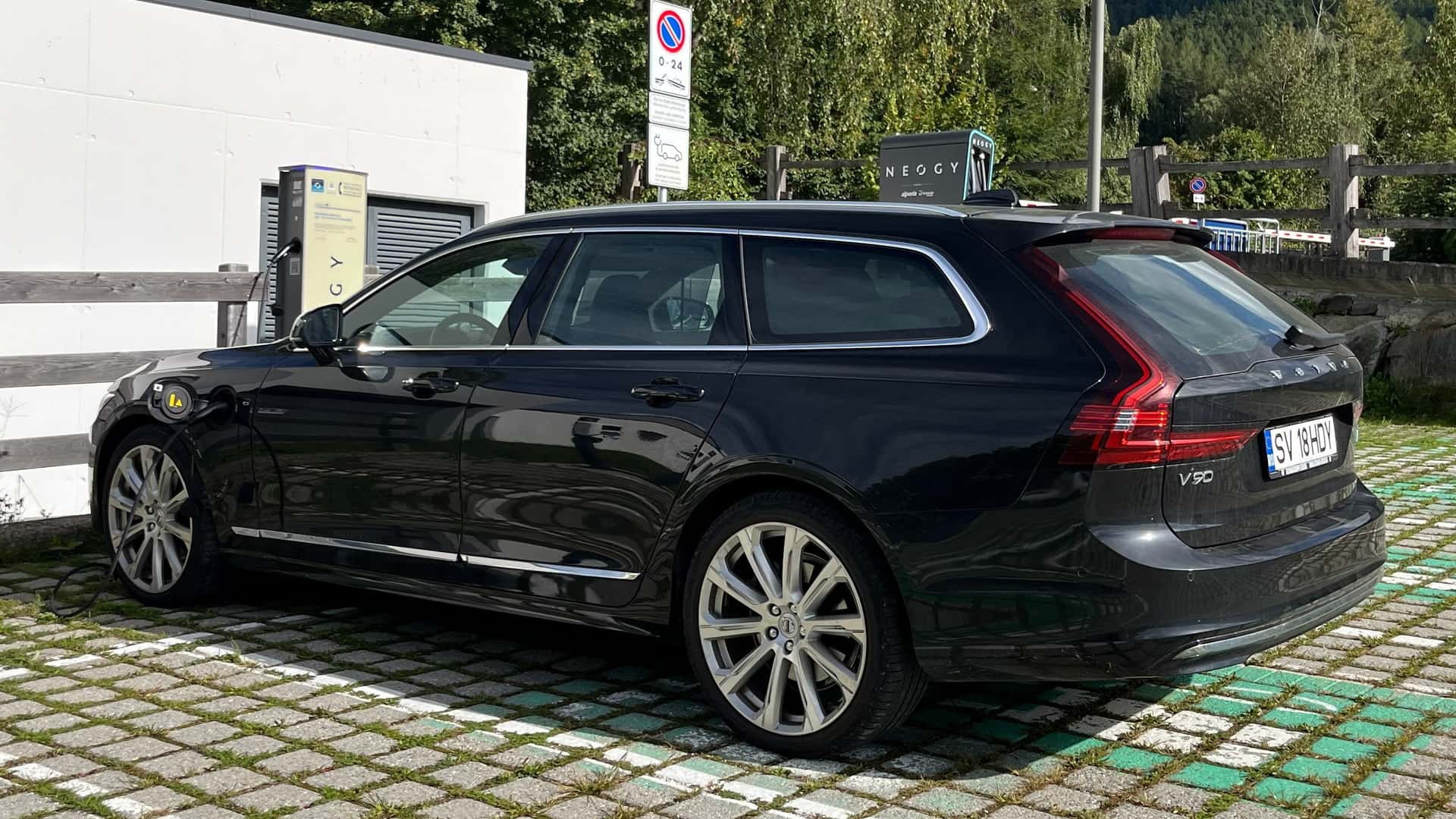
A recent experience with a used 2023 Volvo V90 plug-in hybrid wagon highlighted the importance of optimizing driving modes for improved fuel efficiency. During a 250-mile trip with a fully charged battery, the car achieved a remarkable average fuel economy of 50 miles per gallon (mpg), a significant increase from the 42.7 mpg recorded during a similar journey the previous year.
The key difference in performance stemmed from strategic adjustments to driving settings. The Volvo V90 is equipped with various driving modes and battery management settings. Previously, the owner utilized the standard Hybrid mode without changing battery settings. In contrast, the latest trip involved a more engaged approach: starting the engine despite the battery being charged and using the “Hold” battery setting to conserve electricity for city driving.
Volvo’s plug-in hybrids typically have four driving modes and feature a screen-based interface for adjustments, which can be less user-friendly than traditional dials. While switching between modes may seem cumbersome, it can yield worthwhile efficiency gains, especially for longer trips where fuel economy becomes more apparent.
Utilizing the “Hold” mode during highway travel can be advantageous, as the electric motor is less efficient at higher speeds. However, for those primarily driving on highways without city segments, using the battery as much as possible would be more beneficial. Reports indicate that highway driving with a depleted battery results in fuel consumption of 30 to 35 mpg at speeds of 80 mph (130 kph).
For extended journeys that exceed electric range, the transition from electric to gas is inevitable, necessitating frequent charging opportunities. For the Volvo V90, overnight charging is ideal, but the model’s charging capacity is limited to 3.7 kW, requiring roughly five hours for a full charge.
The overarching takeaway emphasizes the importance of regular charging. A well-maintained charging routine can save considerably on fuel costs—this owner reported saving at least $2,000 over a year compared to a previous vehicle. Additionally, the transition to a plug-in hybrid has resulted in enhanced power, quieter operation, and increased comfort.
Overall, actively managing driving modes in a plug-in hybrid can lead to substantial efficiencies. Each vehicle may vary in how it engages its gas engine, but experimentation with driving settings is encouraged to maximize fuel economy and embrace the efficiency benefits of electrified vehicles.
The content above is a summary. For more details, see the source article.









