


Key Takeaways
- Tokyo Electron’s CEO expresses confidence in maintaining technological leadership despite growing competition from China.
- The Japanese semiconductor industry is poised to become a key component of Japan’s economic future.
- Efforts are underway to enhance collaboration in semiconductor development between Japan and the United States.
Industry Insights
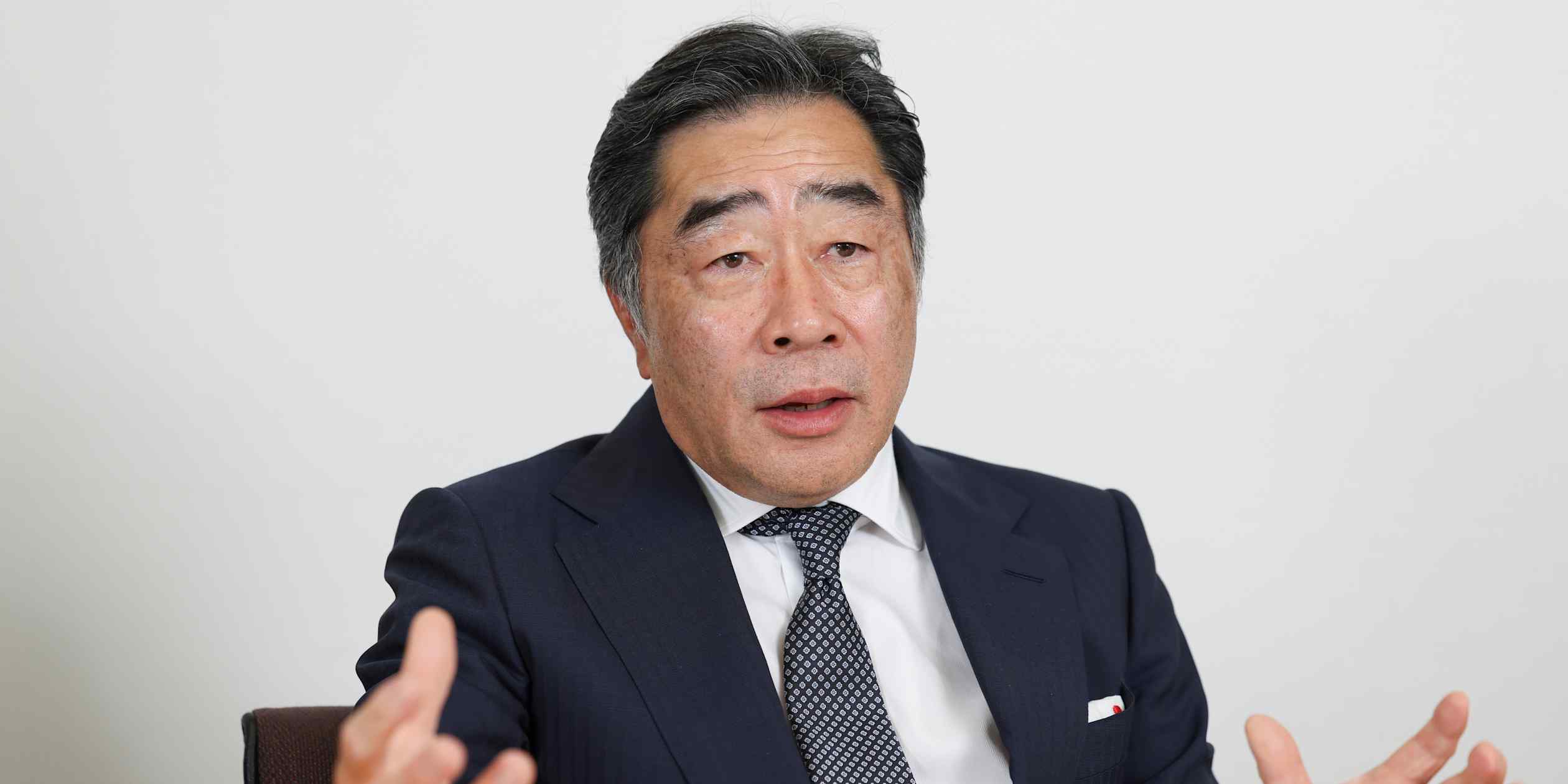
China’s aggressive efforts to establish a self-sufficient semiconductor industry present new challenges for international equipment suppliers. Despite this, Toshiki Kawai, President and CEO of Tokyo Electron, believes the Japanese chip manufacturer can sustain its technological superiority in this competitive landscape.
During a recent interview with Nikkei, Kawai highlighted the importance of Japan’s semiconductor sector, suggesting it is on the verge of becoming a pivotal force in the country’s economic growth. He emphasized the need for local companies to innovate and adapt to changing market dynamics to offset the potential impacts of China’s advances in semiconductor capabilities.
Kawai also underscored the commitment to fostering strategic partnerships, particularly with the United States, to strengthen technological exchanges and collaborations. This cooperativity is seen as essential for combating challenges posed by emerging rivals.
Tokyo Electron, a leader in semiconductor production equipment, is focusing on investments in research and development, aiming to deliver cutting-edge technologies that will secure its positioning in the global market. The company’s strategy includes enhancing its offerings and aligning its goals with the evolving demands of the semiconductor landscape.
In summary, while China’s ambitions create a more competitive environment for foreign companies, Tokyo Electron remains optimistic about its prospects. The company is strategically positioning itself to play a crucial role in the semiconductor industry as Japan seeks to elevate its economic standing through technological advancements and collaborations.
The content above is a summary. For more details, see the source article.









