


Key Takeaways
- Declining birth rates and rural depopulation may lead to significant labor shortages in agriculture.
- Labor availability may impact food production more than land, climate, or technology advancements.
- Migration policies influence agricultural workforce distribution between countries, affecting food security.
Rethinking Food Security
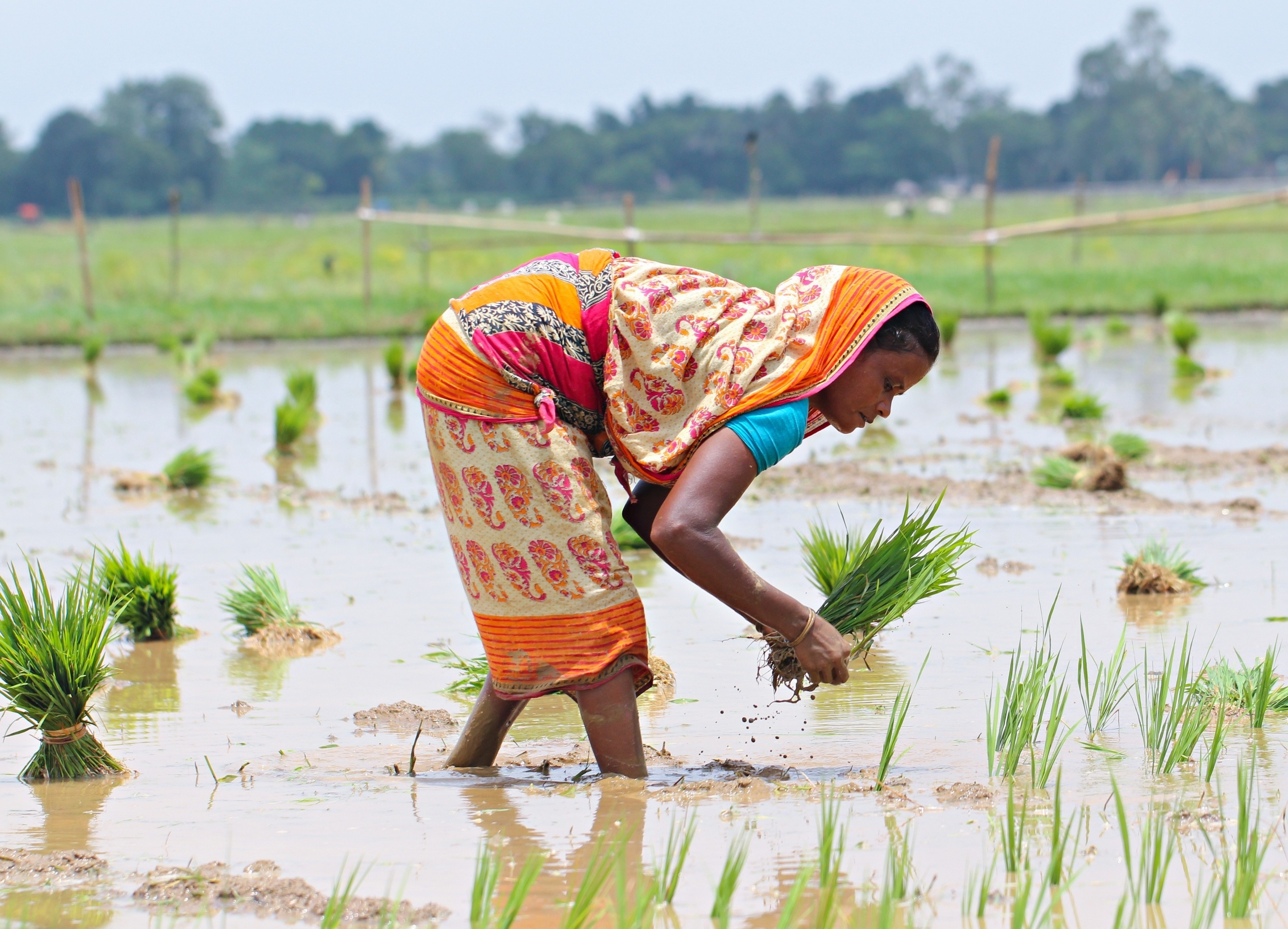
A new study led by Professor Hyungjun Kim from the KAIST Institute for Climate, Environment, and Energy, examines an often-overlooked aspect of food security: the availability of farmers. While traditional views focus on land, weather, and crop yields, this research underscores that declining birth rates and rural depopulation are creating an agricultural labor crisis.
The analysis identified a worrying trend: many countries are experiencing drops in birth rates and an exodus of young people from rural communities. This shift may lead to a future with fewer farmers, potentially jeopardizing food production as much as land availability.
To investigate this issue, the researchers applied two internationally recognized frameworks—the Shared Socioeconomic Pathways (SSPs) and Representative Concentration Pathways (RCPs)—to model future scenarios. Unlike previous projections, which concentrated mainly on land and crop demand, this study incorporated estimates of the agricultural workforce. The results were startling and highlighted that, in many regions, labor shortages could be a more significant barrier to food production than climate conditions or soil quality.
The study further challenges the assumption that technological advancements can entirely mitigate labor shortfalls. While innovations such as automation, artificial intelligence, and precision farming enhance productivity, they may not fully compensate for the dwindling number of farmers. Economic development often diverts labor from agriculture to more industrial sectors, exacerbating the labor gap. Consequently, while food productivity might improve through technology, the shrinking farmer population risks offsetting those gains.
Additionally, the research explored the implications of migration on agricultural labor. Limitations on immigration can lead to shortages in developed nations, while lower-income countries may face an oversupply of agricultural labor. This interdependence indicates that immigration policies can shape food systems in significant ways.
The findings emphasize the necessity of a holistic approach to food security, incorporating not just climate and land considerations but also demographic shifts, labor market dynamics, and migration patterns. Addressing these factors may be critical for ensuring efficient food production in the future.
In summary, the study highlights that the future of food security hinges not solely on available farmland, but also on maintaining a viable, willing agricultural workforce. As Professor Kim states, understanding the influence of social challenges like low birth rates is essential for responding effectively to future climate and food security issues. The full findings are outlined in the journal Nature Sustainability.
The content above is a summary. For more details, see the source article.









