


Key Takeaways
- California is advancing two bills to require data centers to cover their own infrastructure costs, aimed at reducing burdens on ratepayers.
- Supporters highlight the need for protecting communities and resources, while critics warn of potential negative impacts on development and costs.
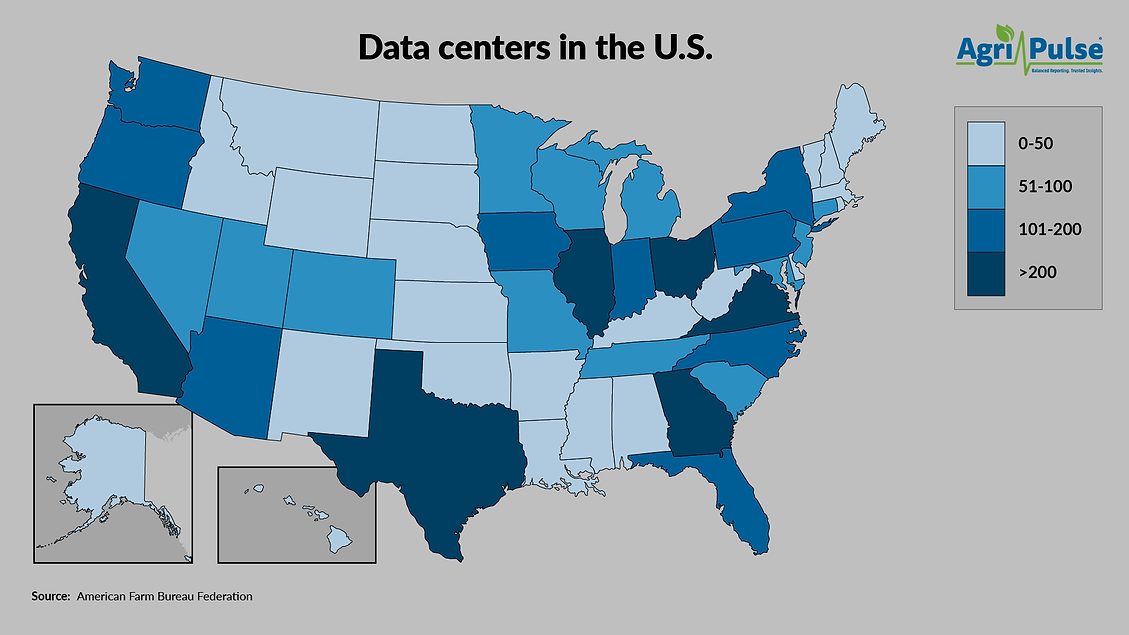
- The legislation comes amid rapid growth in AI-driven data centers, which strain local resources and raise concerns in agricultural communities.
Legislative Developments on Data Centers
California lawmakers are moving forward with two significant bills designed to require new data centers to finance their own infrastructure and energy costs, ensuring that these expenses do not fall on ratepayers. The proposed Senate Bills 886 and 887, introduced by Sen. Steve Padilla of San Diego, have sparked a contentious debate amidst the ongoing rapid expansion of AI-driven data centers, which are stressing local land, water, and energy resources.
Supporters of the bills argue that they set a necessary precedent for protecting community resources and ensuring that data centers are accountable for their environmental impact. Adria Tinnin, director of race equity and legislative policy at The Utility Reform Network (TURN), emphasized the importance of the legislation in encouraging responsible practices among data centers seeking to establish operations in California.
SB 886 would require the Public Utilities Commission to impose an electrical corporation tariff on builders, making them responsible for the costs associated with transmission connections. In tandem, SB 887 would streamline approvals for projects utilizing recycled water and on-site clean energy storage, contingent upon the builders covering their full infrastructure costs. The legislation is backed by TURN and the environmental group Net-Zero California.
However, a coalition of technology and business associations, including Pacific Gas & Electric Co. (PG&E), opposes the bills. Critics argue that SB 886, in particular, could stifle economic growth and decarbonization efforts. PG&E, which has about 5.3 gigawatts of data center projects in the pipeline, warns that the bill might lead to increased costs for customers and delay vital infrastructure development.
The backdrop of this legislative discussion is the unprecedented growth in data centers nationwide, driven largely by advancements in artificial intelligence and cloud computing. A report from the National Association of Counties estimates that the capacity for data centers could increase by approximately 33% annually through 2030. This expansion presents both opportunities and challenges for agriculture, with concerns about competition for land and water resources juxtaposed with the growing reliance of farms on the digital infrastructure these centers provide.
Local authorities have historically maintained control over land use and zoning matters, and these discussions underscore the need for a regulatory framework that accommodates the complex relationship between data center growth and community needs. The California Little Hoover Commission has recently identified the development of such a framework as essential in managing costs associated with large-load developments while supporting clean energy initiatives.
As the state continues to grapple with these challenges, the outcome of the legislative proceedings will have significant implications for both the future of data centers in California and the interests of local farmers and ranchers. The debate highlights a need for balanced solutions that address both the development demands of technology and the sustainability of California’s agricultural and natural resources.
The content above is a summary. For more details, see the source article.









